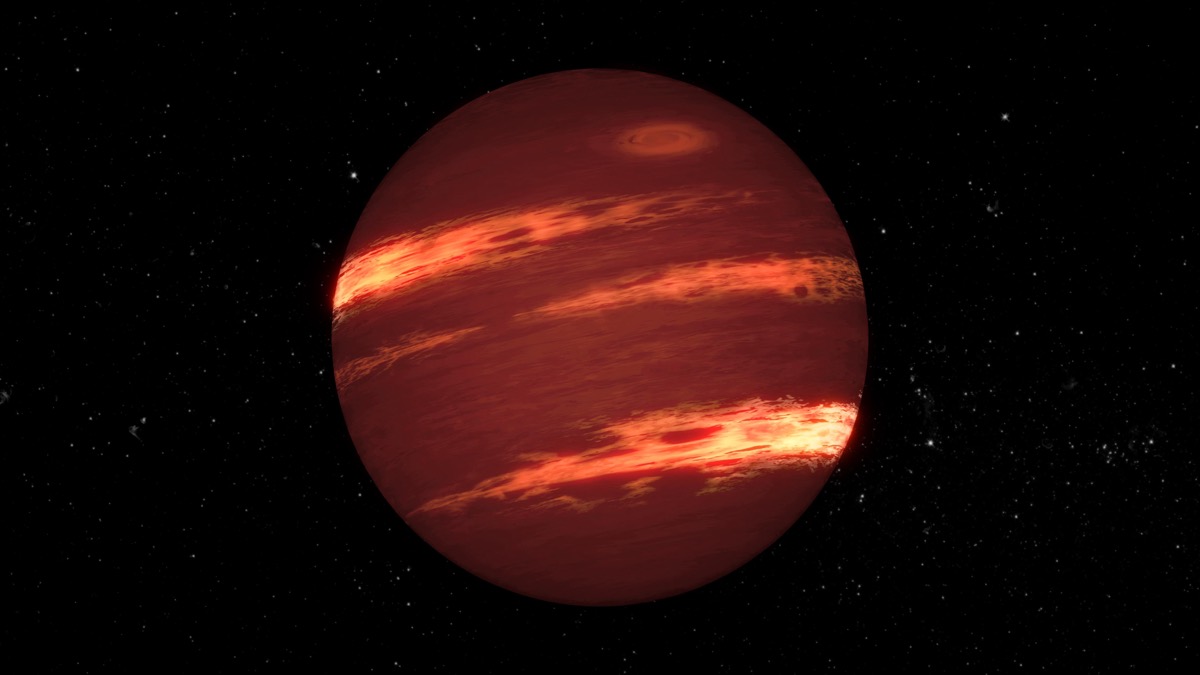
PSO J318 drifts through the galaxy with no star to light it, and it still glows with the heat left over from its own formation. Webb gathered that glow from 1 to 18 micrometers and spread it into a spectrum. What is hiding in the atmosphere?
A layer of rock dust, very high up. The spectrum carries a pronounced absorption at 10 micrometers, and the best fit is a high cloud of tiny amorphous grains of silicon monoxide, under 0.1 micrometers across. Their size and altitude match the point where such molecules condense as the seeds that cloud grains build on. This is a model fit rather than a sample anyone collected.
A orbits nothing, so it has no sunrise, and it is still not dark. Heat retained from its formation keeps it radiating, mostly in the infrared, which is how an object with no star can be studied at all.
Two hints pointed at clouds before any of them were identified. PSO J318 has an extremely red spectrum, and its brightness varies over time in a way that suits cloudy patches rotating past. Both are considered hallmarks of cloud absorption in objects of this kind.
The JWST spectra, taken from 1 to 18 micrometers, show a pronounced absorption feature at 10 micrometers. Fitting it favors a high-altitude layer of small amorphous grains of silicon monoxide, under 0.1 micrometers across, with an atmosphere better described as two columns than one, which matches the .
What makes the result interesting is where in the process it lands. The retrieved grain size and altitude line up with , the stage where the first molecules clump into a seed, rather than with the finished seen lower down. The authors note that others have suggested such layers too, so the process may be widespread, and all of it remains an inference from models.
wat. A world with no sun can shine with its own leftover heat, and carry clouds of mineral grains high above itself.
wat wat
Cloud chemistry can be studied in a world with no sun of its own, where no glare has to be subtracted before the object itself can be measured.
How do we know?
JWST observed PSO J318 with NIRSpec and MIRI across 1 to 18 micrometers, and the spectra were run through atmospheric retrievals and compared against grids from several climate models.
What is still unknown
The composition and the mechanism are inferred from models, not from material in hand. Whether the object counts as a rogue planet or a small brown dwarf also depends on the definition and on how it formed.
Learn something?
Where to next
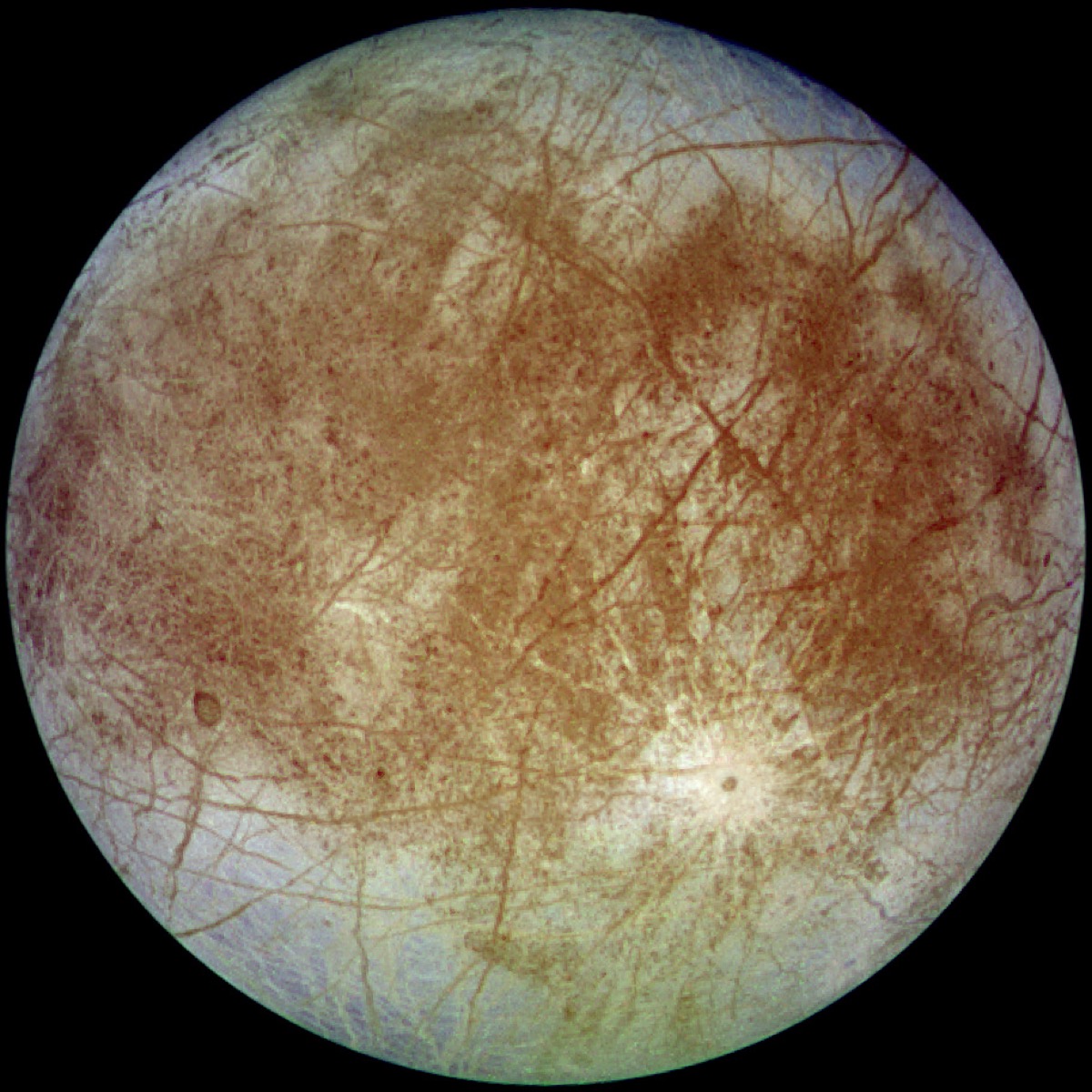 Where did the carbon dioxide on Europa come from?Webb telescope
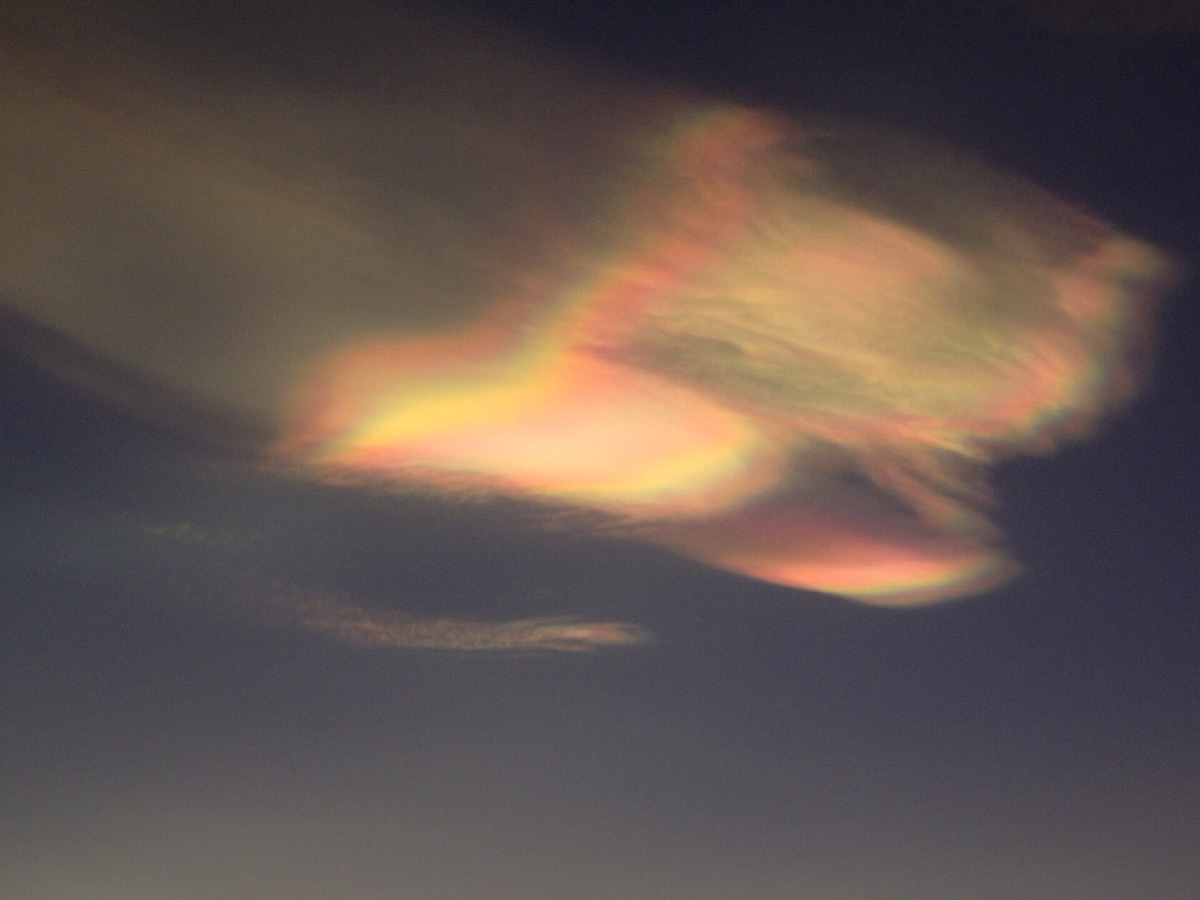 A nacreous cloud glows in a sky that has already darkened. What is happening high above us?clouds
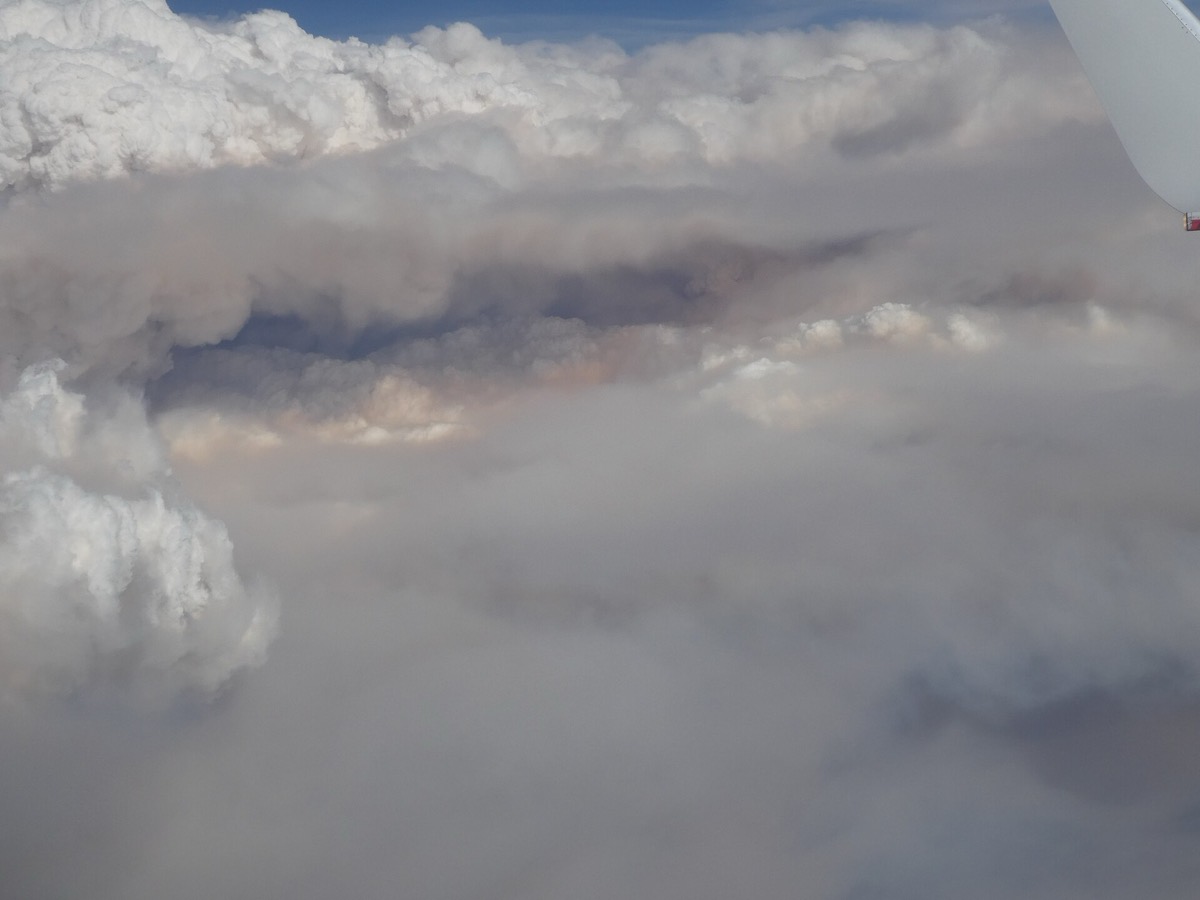 A forest fire grows a storm cloud above the flames. How far up can it reach?clouds