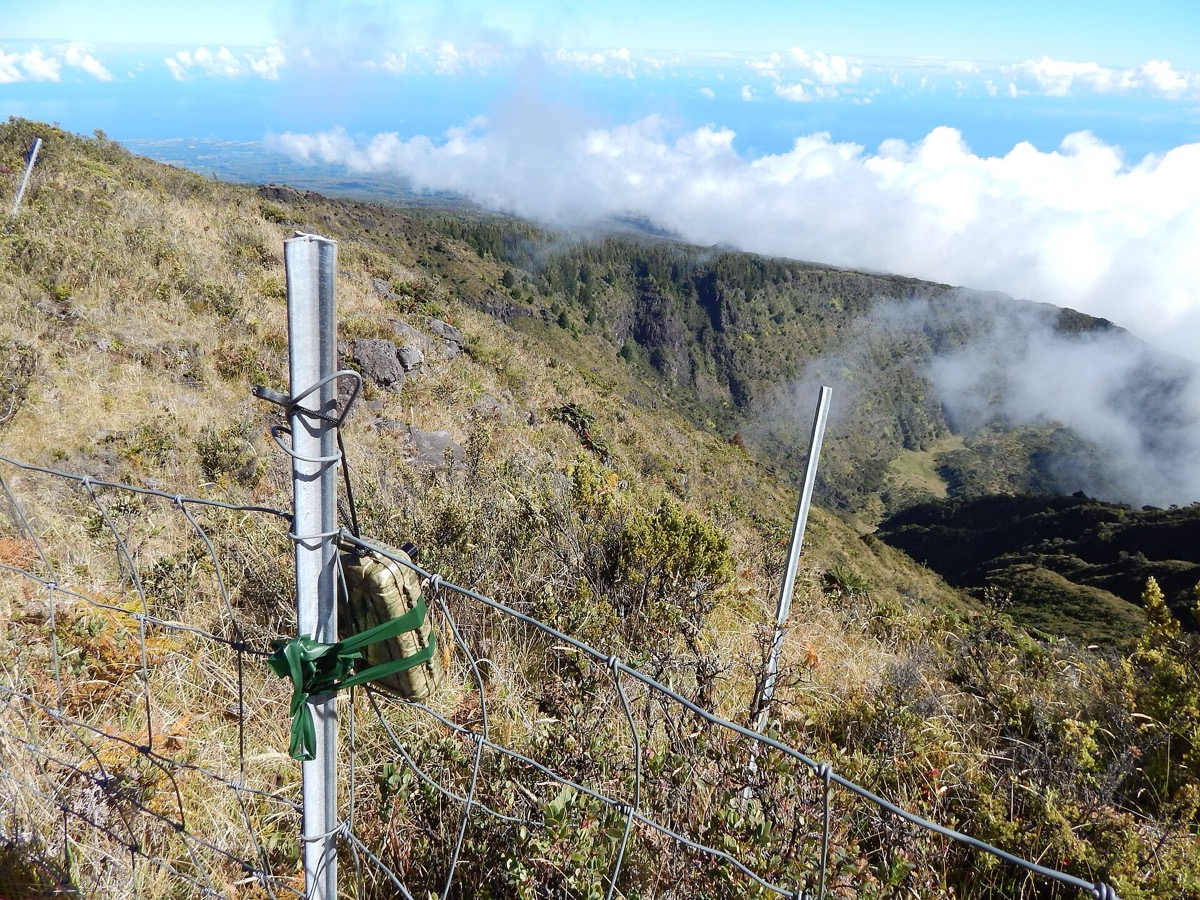
Record a forest or a reef, compute how complex and varied the recording is, and one microphone might track a whole ecosystem. It would be far cheaper and faster than counting species in the field. The idea rests on one assumption, that acoustic diversity tracks biological diversity, and a meta-analysis finally tested it. How well does it hold?
Moderately, and inconsistently. Across 34 studies and 364 , acoustic indices correlated with diversity metrics at r = 0.33, with a confidence interval from 0.23 to 0.43 and highly variable results both within and between studies. Three indices did better than the rest. The sound carries part of the signal, and it is not a substitute for counting species.
Biodiversity is expensive to measure. Counting species means experts in the field for long periods, so that could stand in for them would change how much of the world gets watched at all.
An promises exactly that, summarizing the acoustic features of an audio sample in a single number. The whole approach rests on one assumption, that acoustic diversity tracks biological diversity, and after more than a decade of use the literature was in conflict about whether it does.
The meta-analysis pooled 364 effect sizes from 34 studies, covering the 11 most commonly used indices against abundance, richness and diversity. The overall relationship came out positive and moderate, r = 0.33, with a confidence interval running from about 0.23 to 0.43, and strikingly inconsistent from study to study.
Two details sharpen the verdict. Some indices, including acoustic entropy, the normalized difference soundscape index and the acoustic complexity index, retrieved biological information better than others, so the choice of formula matters. And the is its own warning: studies have increasingly skipped the check, while those that did run it reported progressively smaller effects.
wat. Across 364 comparisons, sound told part of the biodiversity story and came nowhere near replacing a species count.
wat wat
Automated monitoring could extend ecological survey enormously, as long as the number it produces is calibrated against someone actually looking.
How do we know?
Alcocer and colleagues reviewed studies testing the 11 most commonly used acoustic indices against species abundance, richness and diversity, extracted 364 effect sizes from 34 studies, and pooled them.
What is still unknown
The studies covered different habitats and taxa, and some used samples that were not independent of one another. The authors also note that validation has been getting rarer over time.
Learn something?
Where to next
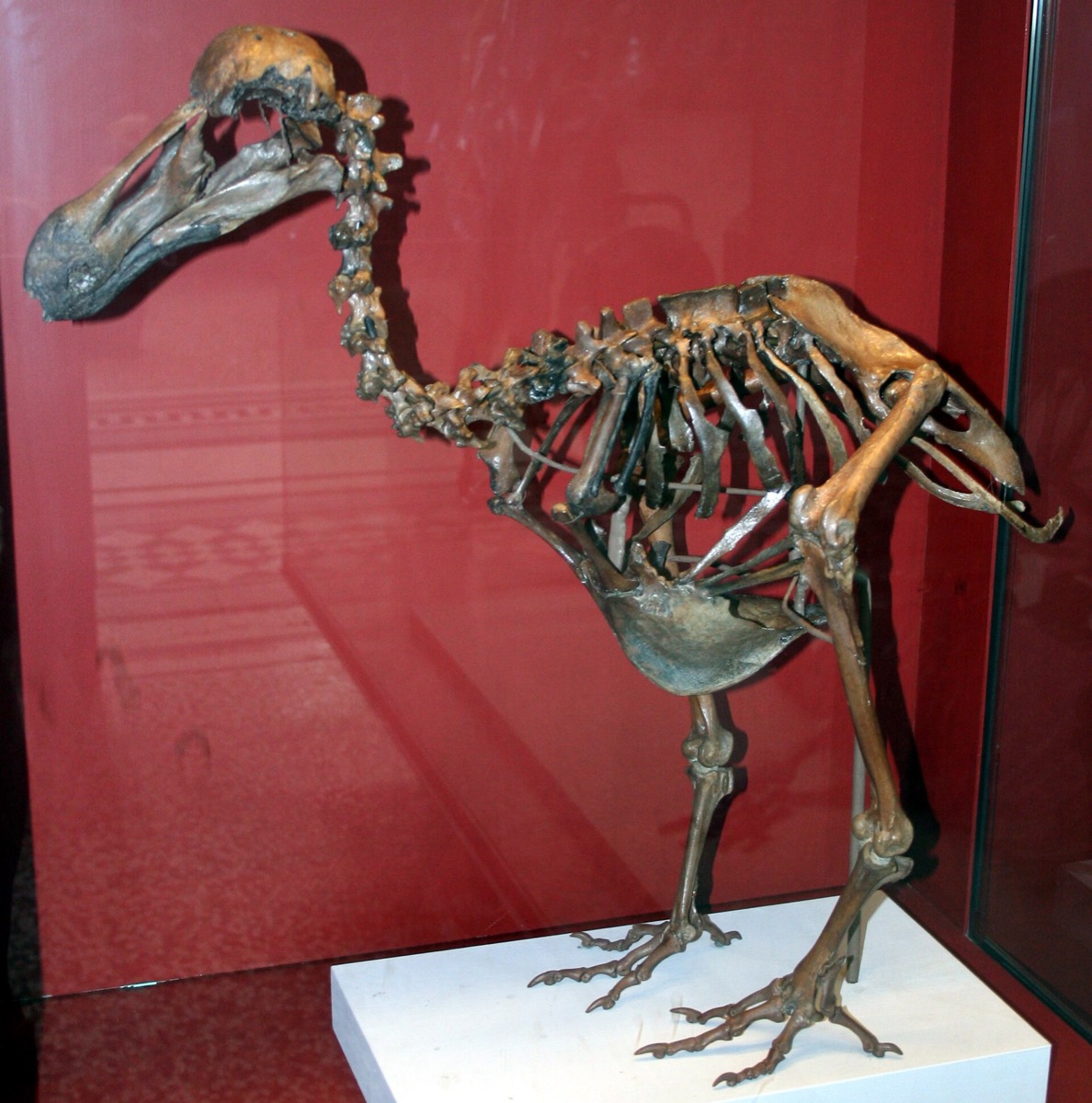 What are we comparing today’s extinctions against?biodiversity
 If you want moss to measure your air for you, which moss?monitoring
 How much of the ocean do coral reefs actually cover?biodiversity