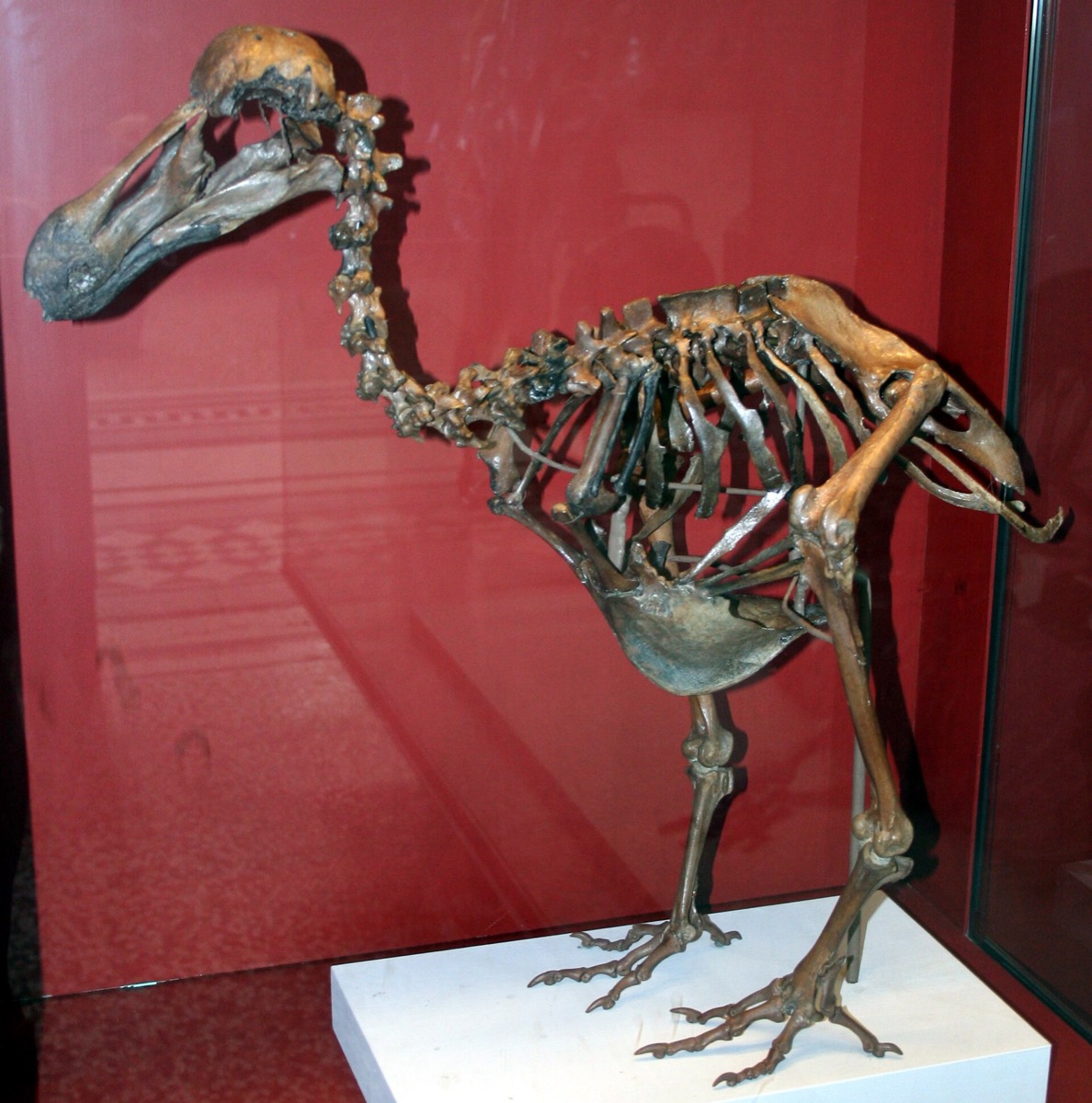
The familiar statement is that extinction rates now run 100 to 1,000 times pre-human levels. Measuring the current rate is straightforward. The other half of that comparison, the normal rate before people, is the hard part, and researchers had been using an approximate benchmark of one extinction per million species per year.
A rate lower than the benchmark, which makes the gap wider. Median estimates here range from 0.023 to 0.135 per year, against a working benchmark of one. Fossil data give a typical background loss of 0.01 genera per million genera per year, and the authors find no evidence of widespread pre-human declines.
A key measure of humanity’s global impact is by how much it has increased species extinction rates, and the familiar statements put them at 100 to 1,000 times background levels. Estimating recent rates is straightforward; establishing the for comparison is not.
Previous researchers used an approximate benchmark of one extinction per million species per year. This paper explores disparate lines of evidence suggesting a substantially lower figure, which would mean the comparison has been running against too high a baseline.
The fossil route gives direct estimates of extinction rates, with real limits: temporally coarse, mostly marine hard-bodied taxa, generally genera rather than species. On those data, typical background loss is 0.01 genera per million genera per year.
cover more taxa, and the authors address the debate about them directly by selecting data, running simulations where model assumptions fail, and compiling estimates. Median extinction estimates range from 0.023 to 0.135 extinctions per million species per year, and over- and under-estimation from individual phylogenies partially canceled across large sets.
wat. The normal rate of extinction is lower than the benchmark in use, so the modern rate stands out more sharply.
wat wat
The multiplier everybody quotes depends entirely on the denominator, and the denominator was a placeholder.
How do we know?
De Vos and colleagues combined fossil extinction rates, molecular phylogenies selected to address known concerns, simulations testing what happens when model assumptions are violated, and compiled diversification estimates.
What is still unknown
Fossil data are temporally coarse, mostly from marine hard-bodied taxa and generally at genus rather than species level, and whether phylogenies can separate speciation from extinction is debated.
Learn something?
Where to next
 Did the volcanoes in India erupt only after the dinosaurs died out?extinction
 Can you measure how many species live in a forest from its sound alone?biodiversity
 How much of the ocean do coral reefs actually cover?biodiversity