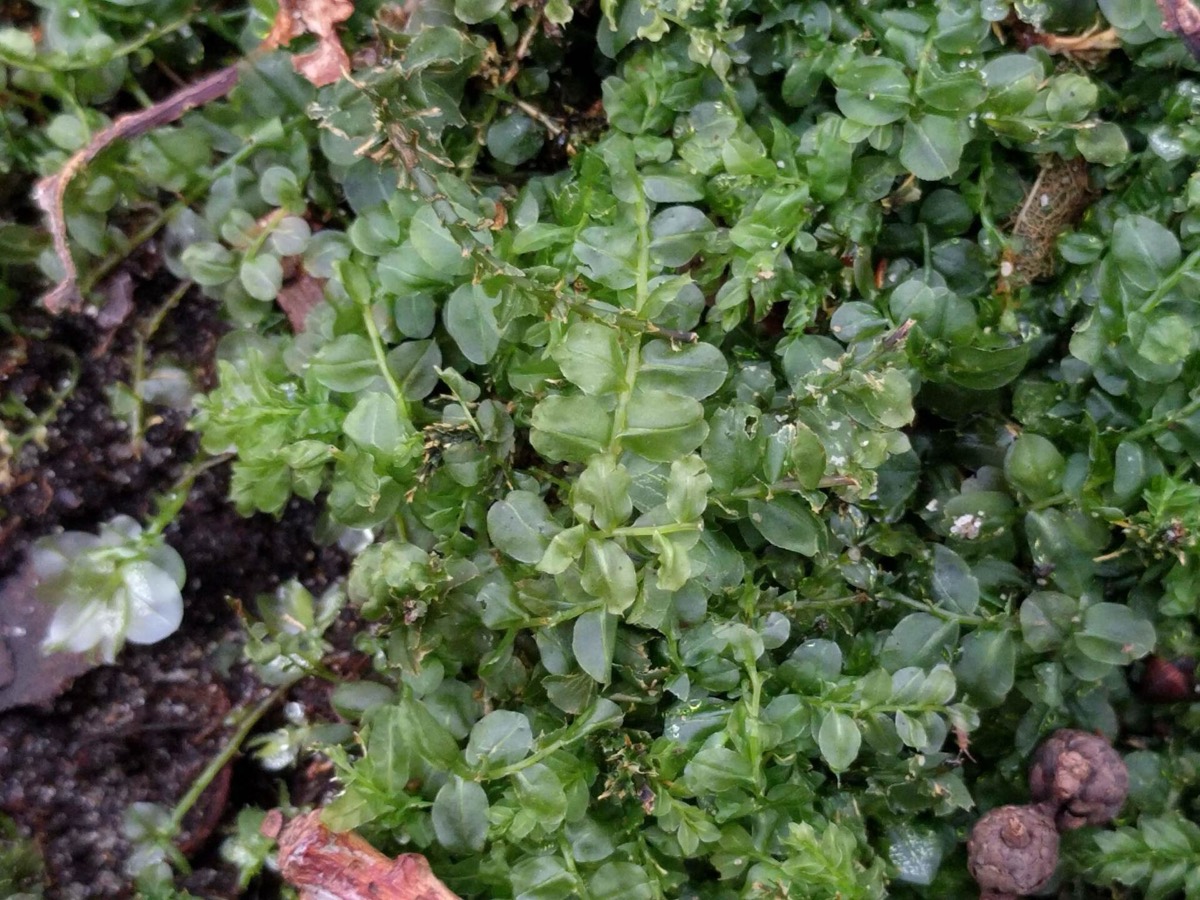
Mosses have no roots and take what they need from the air, which makes them accidental air samplers and a cheap alternative to instruments. Treating them as interchangeable is the problem, since species differ in shape and surface. So five common mosses were hung in beside roads and assayed for traffic metals, with as a rapid screen. Which species collected most?
Two of the five, and for structural reasons. Clear interspecific differences in pollutant accumulation appeared, with Plagiomnium affine and Climacium dendroides performing best. The authors attribute that to favorable morphological and physiological traits, notably high and an open leaf architecture. The metals quantified were zinc, lead, cadmium, manganese, copper, chromium, nickel and iron, all traffic-related.
Accelerating urbanization and industrial development have made cheap, accurate air pollution monitoring more necessary, and instruments are expensive to deploy densely. Mosses are attractive because they lack roots and draw what they need from the air, so what is in the air ends up in the plant.
The weakness in the method has been treating moss as a single thing. This study evaluated the bioindication potential of five common pleurocarpous mosses: Plagiomnium affine, Climacium dendroides, Hypnum cupressiforme, Pseudoscleropodium purum and Thuidium tamariscinum, deployed in moss bags.
The focus was traffic-related heavy metals, specifically zinc, lead, cadmium, manganese, copper, chromium, nickel and iron, quantified by inductively coupled plasma optical emission spectrometry. A rapid, non-invasive method of magnetic susceptibility measurement ran alongside as a screen for magnetic particulate load.
The results revealed clear interspecific differences in pollutant accumulation, with Plagiomnium affine and Climacium dendroides performing best. The authors attribute this to favorable morphological and physiological traits such as high specific leaf area and open leaf architecture, which is the part that should transfer to other species. All five are widespread and easily accessible, which matters for collecting enough biomass in the field. Note the limit: accumulation in a bag is a relative measure, and nothing here calibrates it against an air concentration.
wat. Of five common mosses hung beside a road, two caught far more metal than the rest, because of how open their leaves sit.
wat wat
It turns a vague method into a specified one. Naming which species to collect, and why their leaf structure matters, is what lets bioindication be routine rather than a one-off study.
How do we know?
Plášek and colleagues evaluated five common pleurocarpous mosses in moss bags for roadside monitoring, quantifying eight traffic-related heavy metals by inductively coupled plasma optical emission spectrometry alongside magnetic susceptibility measurements.
What is still unknown
A roadside comparison of five species against traffic metals, which does not establish how the accumulated amounts map onto actual air concentrations. Accumulation in a moss bag is a relative measure, not a calibrated instrument reading.
Learn something?
Where to next
 What can a lichen tell you about the air coming off an oil refinery?air pollution
 Can you measure how many species live in a forest from its sound alone?monitoring
 What turned an ordinary London fog into one that killed thousands?air pollution