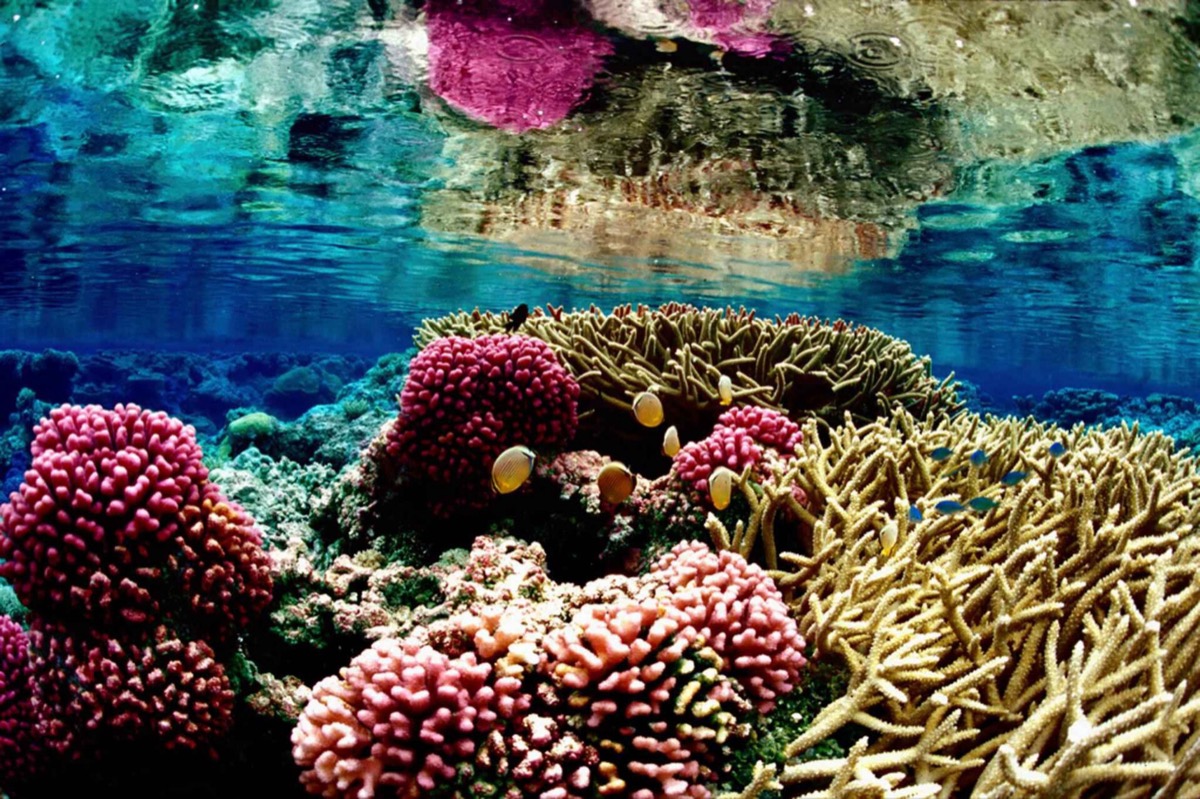
Reefs dominate how people picture ocean life, which makes their actual footprint surprising when you look it up. NOAA gives both numbers, the share of the ocean reefs occupy and the share of marine life they shelter, and the gap between the two is the whole point. The agency then works through what else follows from that concentration, from fisheries to the sand on the beach.
About 1 percent of the ocean, holding at least a quarter of its life. Coral reefs cover only 1 percent of the world’s oceans while providing for at least 25 percent of the world’s marine life. They are home to over 4,000 species of fish, corals and other marine life, with many reef species still undiscovered. More than half of all US fisheries species depend on reefs for part of their life cycle.
Coral reefs are among the most diverse and valuable ecosystems on Earth, and the arithmetic of that diversity is the striking part. They cover only 1 percent of the world’s oceans while providing habitat for at least 25 percent of the world’s marine life. They are home to over 4,000 species of fish, corals and other marine organisms, with many reef species still to be discovered.
The dependence runs wider than the reef itself. More than half of all US fisheries species rely on coral reefs for a portion of their life cycles, which makes reefs essential to commercial and recreational fisheries. NOAA estimates the of US fisheries from coral reefs at over $100 million. Local economies also receive billions of dollars from reef visitors through diving tours, fishing trips, hotels and restaurants.
Reefs also work as infrastructure. They serve as a against waves, storms and floods, reducing loss of life, property damage and erosion for the millions of people living in US coastal areas near them. When reefs are damaged or destroyed, those communities suffer increased damage from severe storms and even from normal wave action.
Two less obvious contributions round out the page. Reefs build beaches, since much of the sand near them is broken-down coral skeleton, with grinding the calcium carbonate in their guts and producing hundreds of pounds of white sand each year. And corals are considered key to finding new medicines, with drugs developed from compounds in reef animals and plants as possible treatments for cancer, arthritis and bacterial infections. NOAA describes that potential as largely untapped.
wat. One percent of the ocean shelters at least a quarter of everything that lives in it.
wat wat
Concentration is what makes reefs fragile and valuable at once. A quarter of marine life packed into one percent of the ocean means local damage removes a disproportionate share of what lives there.
How do we know?
NOAA’s corals education tutorial sets out the area and biodiversity figures, the fisheries dependence and commercial value, and the roles reefs play in coastal protection, medicine and beach formation.
What is still unknown
An agency education page, which states figures without the studies behind them. The medicinal potential is described as largely untapped and still requiring research, which is a projection rather than a result.
Learn something?
Where to next
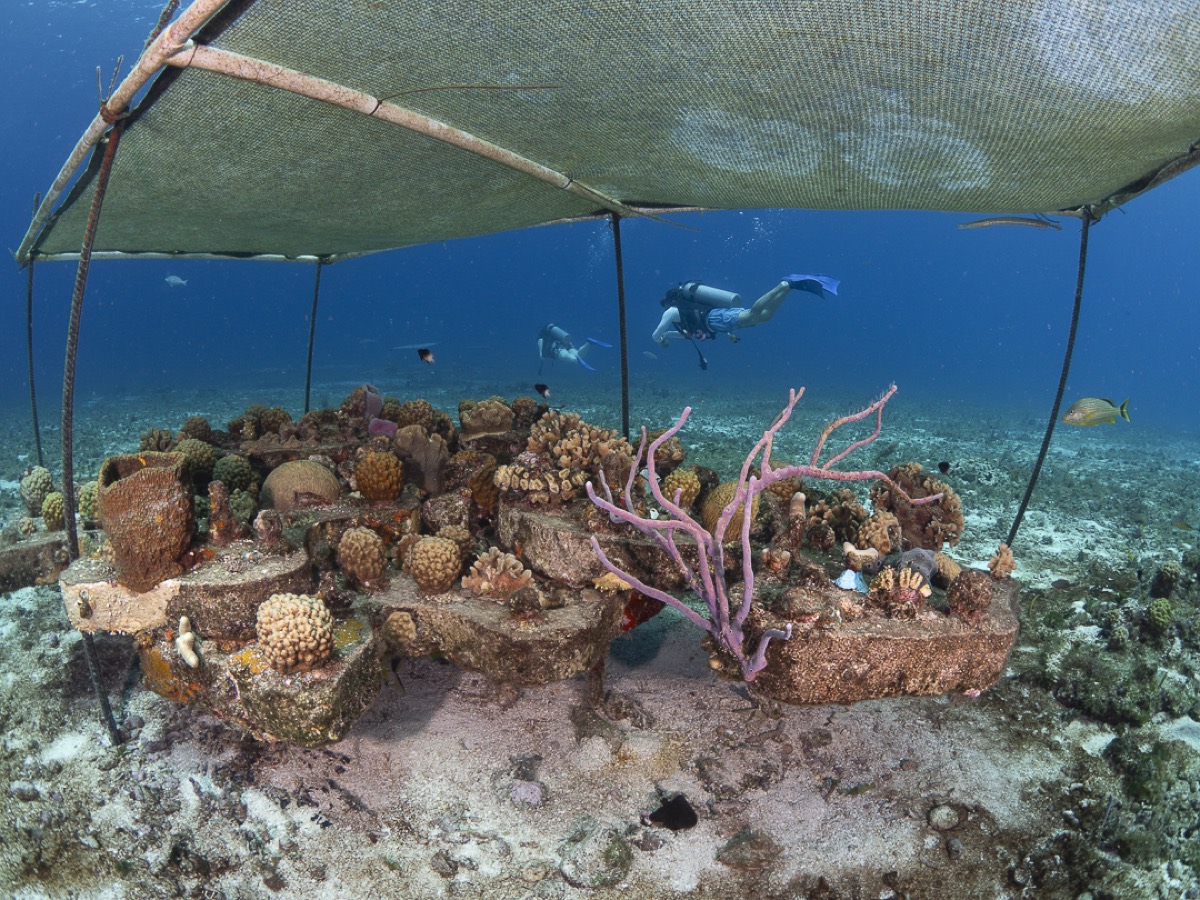 Can you hear a coral reef recovering?corals
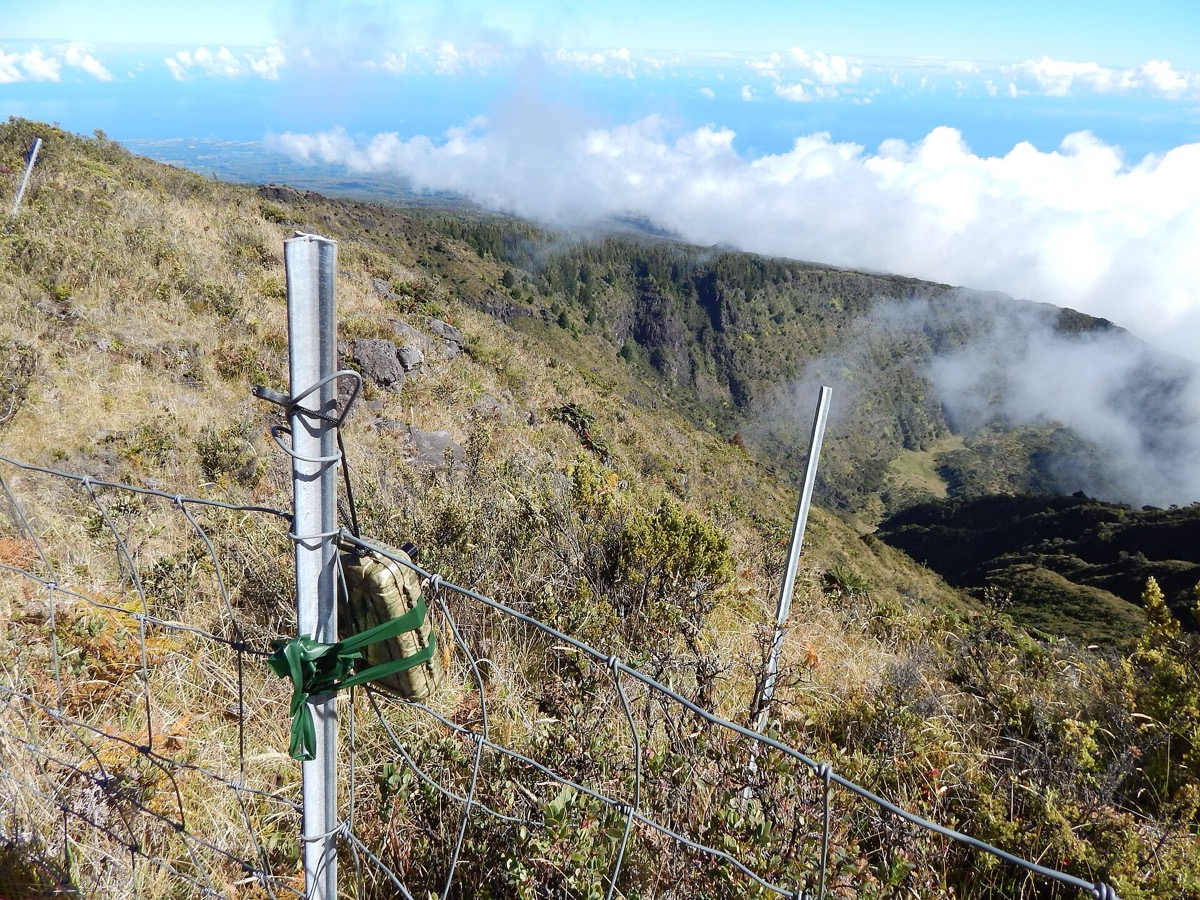 Can you measure how many species live in a forest from its sound alone?biodiversity
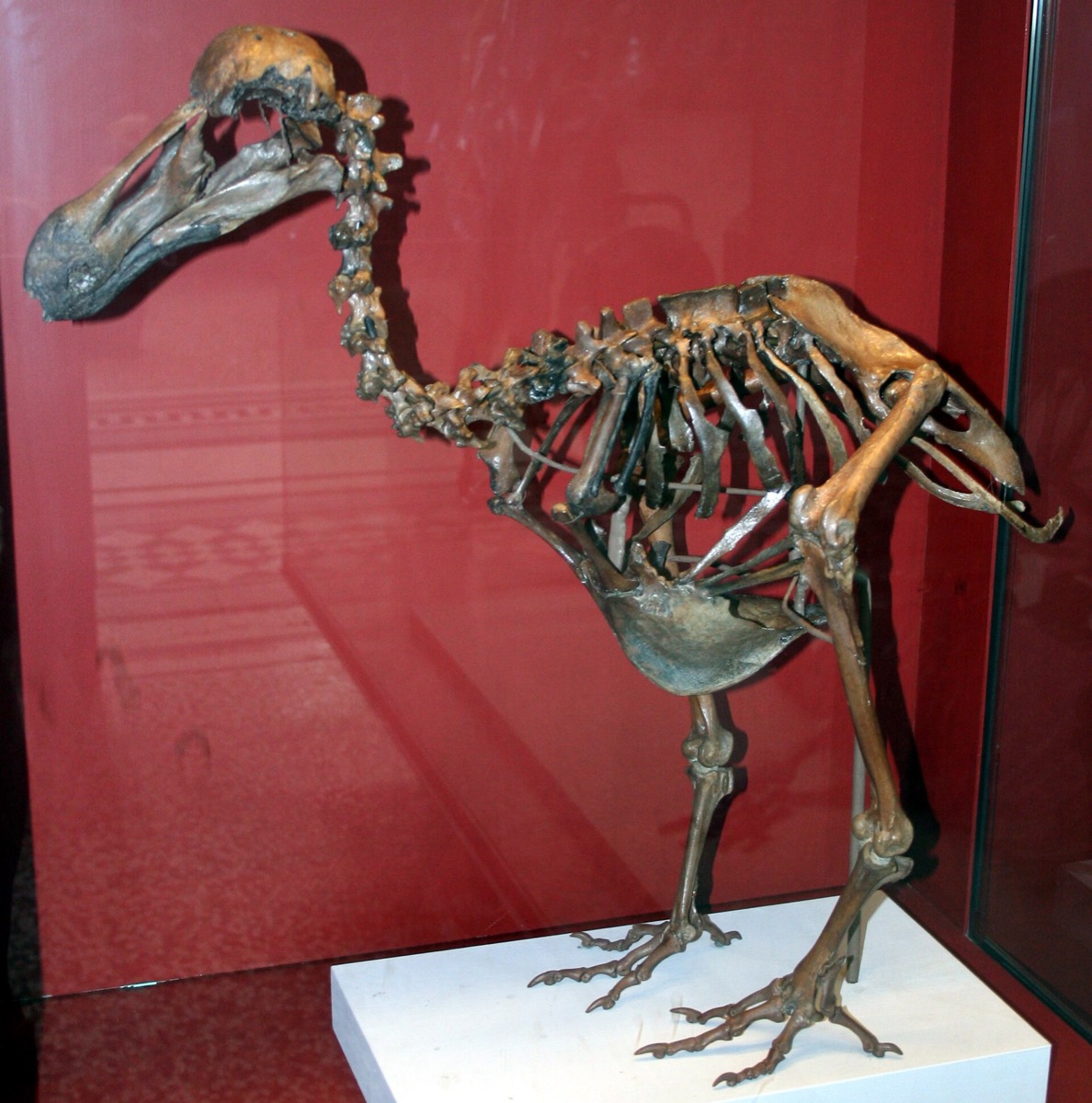 What are we comparing today’s extinctions against?biodiversity