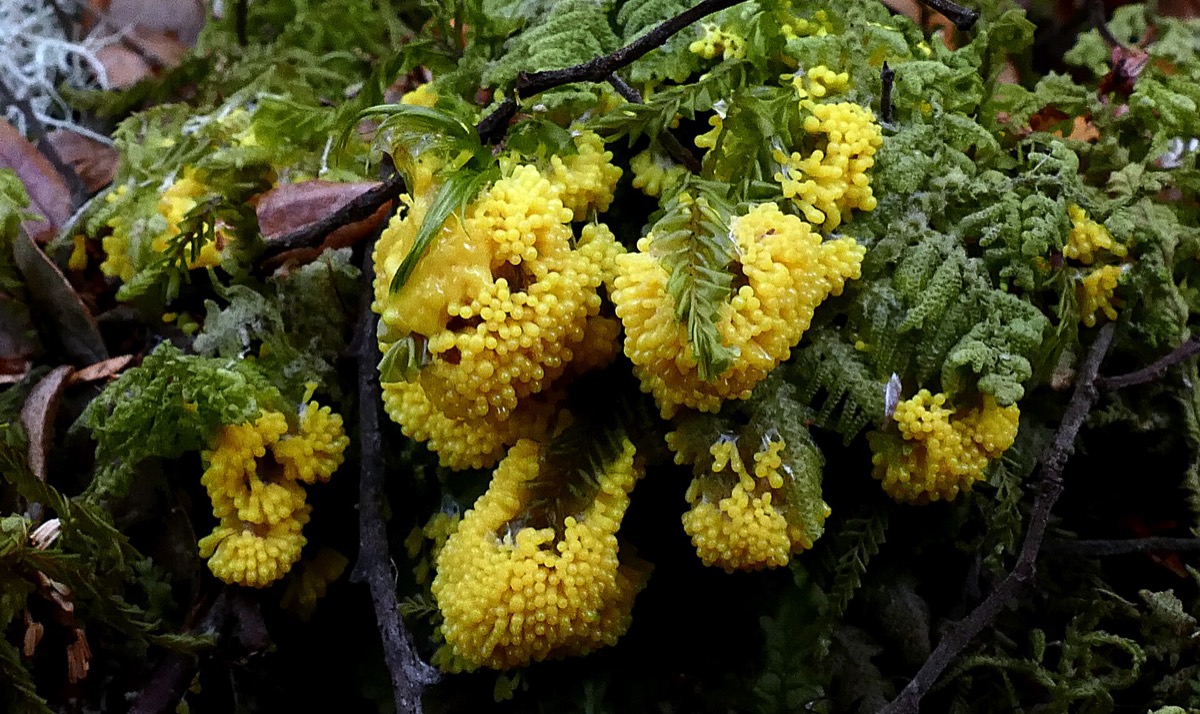
is a giant single-celled organism with no nervous system whatsoever. It spreads in every direction, thickens the tubes that lead to food and lets the rest thin away. So researchers laid oat flakes at the positions of the cities around Tokyo and let it spread. What was left on the dish?
The network that remained after a few hours connected the points in a way that resembled, to a surprising degree, the rail network that engineers around Tokyo spent decades planning. And the comparison was not made by eye but in numbers: total length, route efficiency, and . The mold matched the engineers on all three.
The experiment is phrased like a joke and built like a test. Oat flakes were scattered on a dish, each one at the exact position of a city in the Tokyo area. The mold went at the center, standing in for Tokyo itself. Then they waited.
What the mold does is not planning. First it spreads in every direction and covers the ground. Then it starts to withdraw: tubes that lead to food thicken, because the flow through them is strong, and tubes that lead nowhere thin out and vanish. That is , one local rule, with no map and no comparison in it.
What is left after a few hours is a network joining all the points, and it resembles the rail network around Tokyo that engineers planned over decades to a surprising degree. The comparison was not made by eye but in numbers: total length, route efficiency, and tolerance of broken links.
The qualification matters as much as the finding. A laboratory has no mountains, no sea, no land prices and no politics, and all of those shape a real network no less than geometry does. What this teaches is not a proven planning method but a principle. is enough: an efficient network does not necessarily need a central planner.
wat. Physarum joined up oat flakes arranged like the cities around Tokyo, and what grew looked like the real rail lines.
wat wat
It shows that designing an efficient network does not require central planning. Simple local rules can arrive somewhere similar.
How do we know?
The team rebuilt the layout in the laboratory, with food sources at accurate geographic positions. They then measured the resulting network for total length, route efficiency and tolerance of broken links, and set it against the real network on the same three.
What is still unknown
The experiment had no mountains, no sea, no land prices and no politics. The resemblance is striking, but it is a comparison and not a planning method anyone has proved.
Learn something?
Where to next
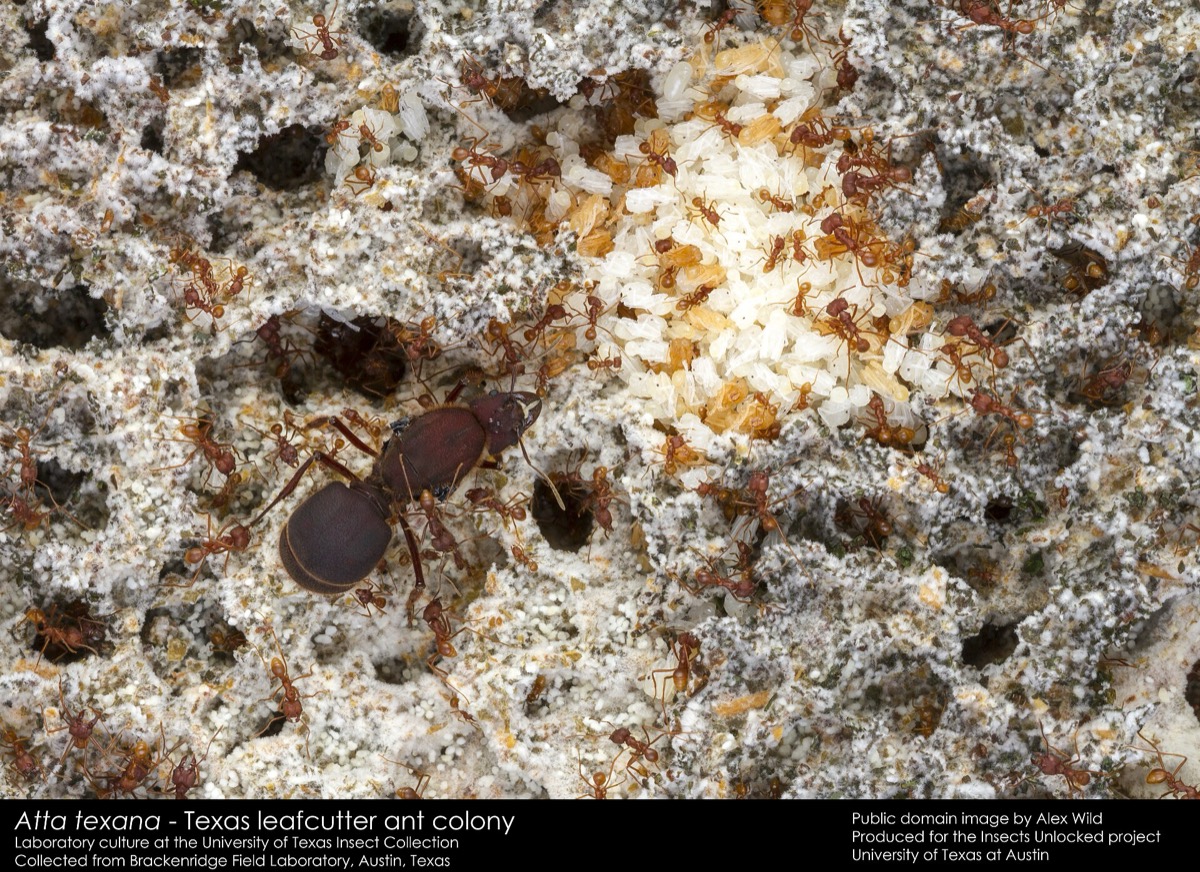 How do ants find a short route when none of them has the map?self-organization
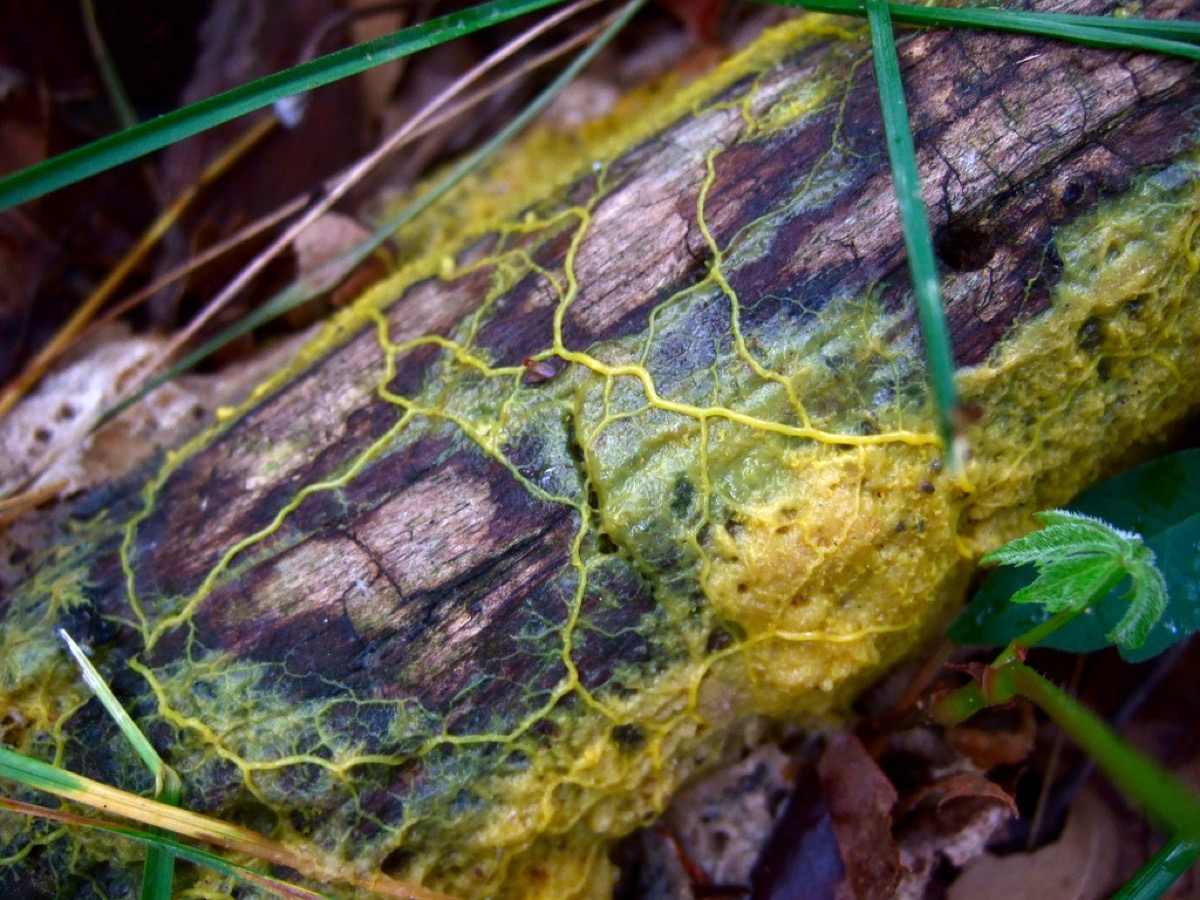 Can something with no brain at all learn a rhythm?physarum
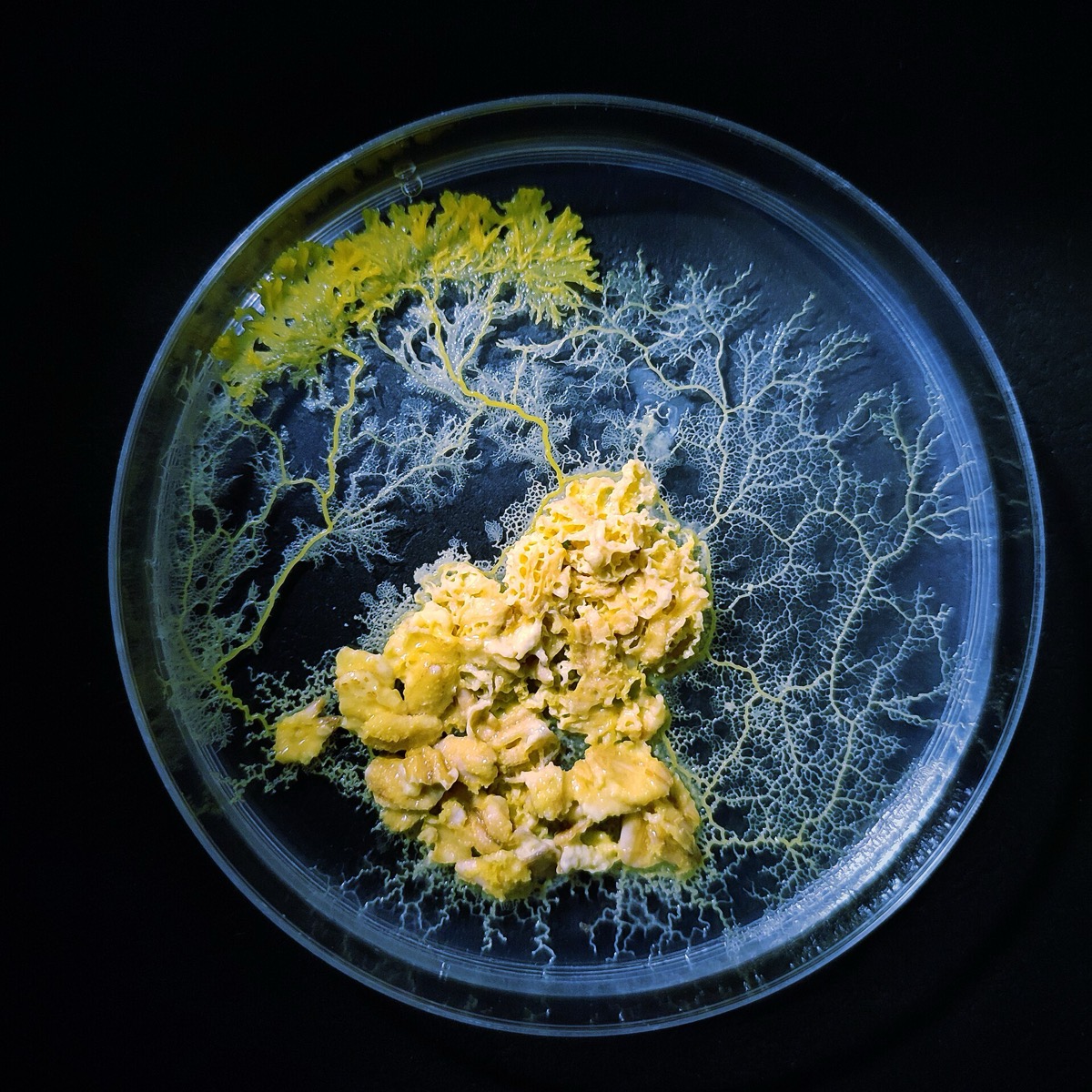 Can something with no nerve cells remember where it has been?physarum