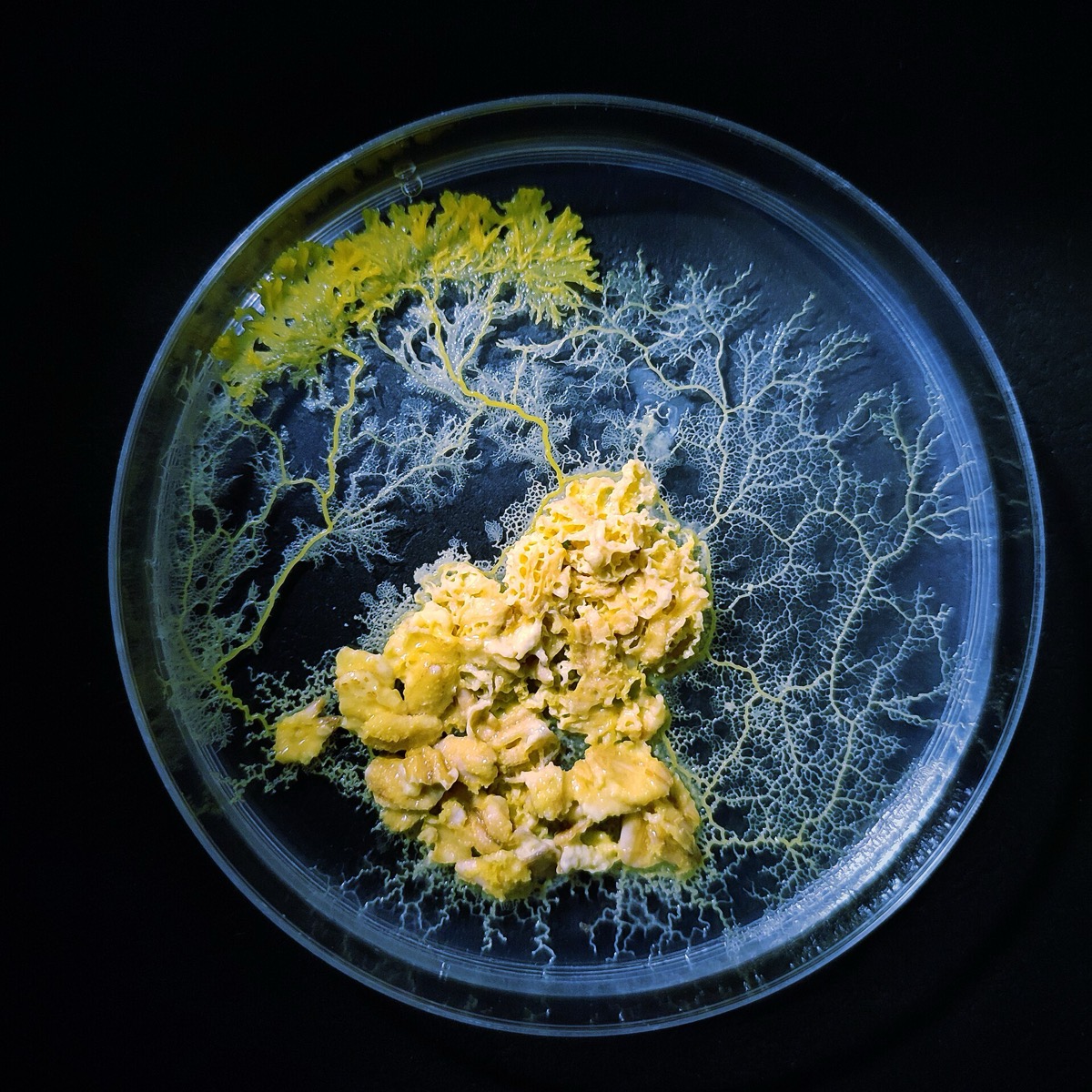
Memory has one widely accepted definition: the means by which information is stored and retrieved. Nothing in that wording requires a brain. Still, almost all cognition research keeps memory inside a nervous system, which leaves a single-celled organism with no neurons as an awkward test case. Reid reviews what the slime mold Physarum polycephalum has been shown to do. Where would it even keep anything?
Outside itself, among other places. Physarum lays down a trail of as it moves and can sense that trail later. The result is a map of where it has already been, stored in the environment rather than in the organism. In a simple space the trail is not needed. Escaping a U-shaped trap to reach food, it sharply improves navigational efficiency.
Sensing, communication, navigation, decision-making, memory and learning make up a standard , and they are usually discussed as things animals do with brains. Reid points out that organisms without nervous systems make up the vast majority of life past and present, face the same complex and dangerous world, and would benefit equally from those tools.
Physarum polycephalum stores information in at least two ways. in the network close to food thicken and reinforce while tubes leading elsewhere retract. That encodes the direction of a food source physically, and the record can be read out when a new stimulus appears in the same direction. Separately, the organism senses its own trail of extracellular slime, building a record of explored ground in the environment itself.
That externalized memory earns its keep only when the problem is hard. In simple environments it is unnecessary. Escaping a U-shaped trap to reach food, the ability to use the trail dramatically improves navigational efficiency. Philosophers have read this as extended cognition, with part of the processing done by structures outside the body, and as cognitive niche construction, the active building of structures that aid problem-solving.
The slime also carries social information. Plasmodia avoid ground explored by starved or stressed clonemates and are drawn to ground explored by well-fed ones, so foraging value passes between individuals. Physarum recognizes the slime of a different slime mold species too, and prefers that ground over its own kind, which the review compares to bumblebees rejecting flowers marked by other bumblebee species. Learning gets its own section: plasmodia kept from food by a bridge of avoided it, then over five days gradually stopped, and that habituation proved specific to the chemical.
wat. It does not keep the map inside. It writes the map on the floor and reads it on the way back.
wat wat
If a single cell can store, retrieve and act on information, then cognition is not something a nervous system invented. It is something nervous systems made faster.
How do we know?
Chris Reid reviews the recent experimental work on Physarum polycephalum in Animal Cognition, covering sensing, communication, navigation, decision-making, memory and learning, and what comparisons with neural systems can and cannot support.
What is still unknown
A review, and openly one about definitions as much as findings. Reid discusses the limits of drawing comparisons between neural and non-neural systems, which is where most of the argument about these results actually lives.
Learn something?
Where to next
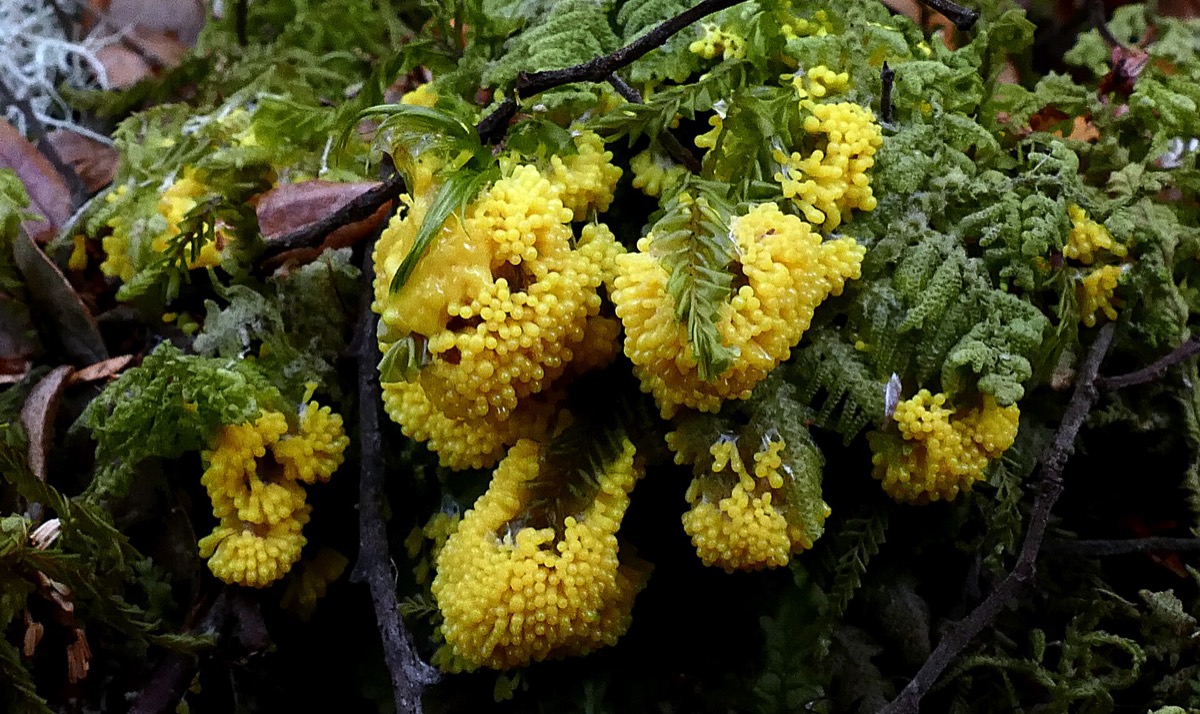 What happened when a brainless organism designed a rail network?physarum
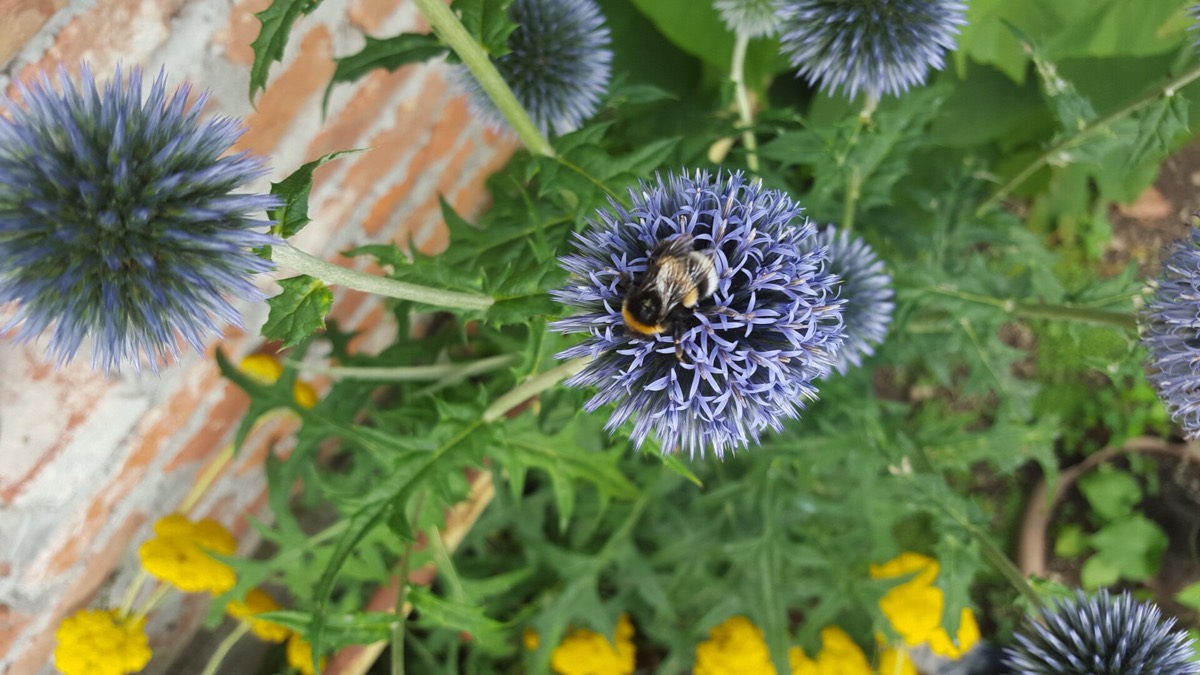 What can a bumblebee learn but never invent on its own?cognition
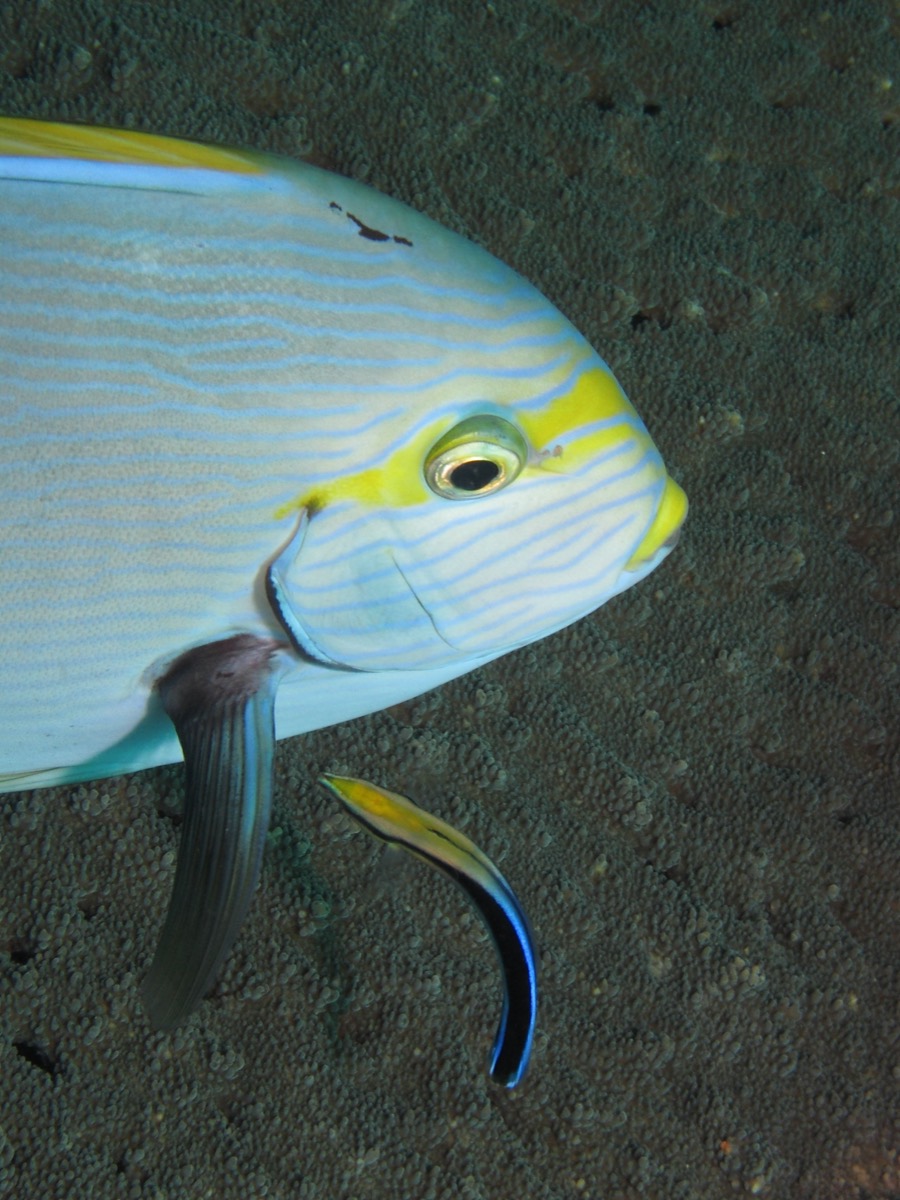 How did a small fish pass a mirror test that was thought to be almost human?cognition