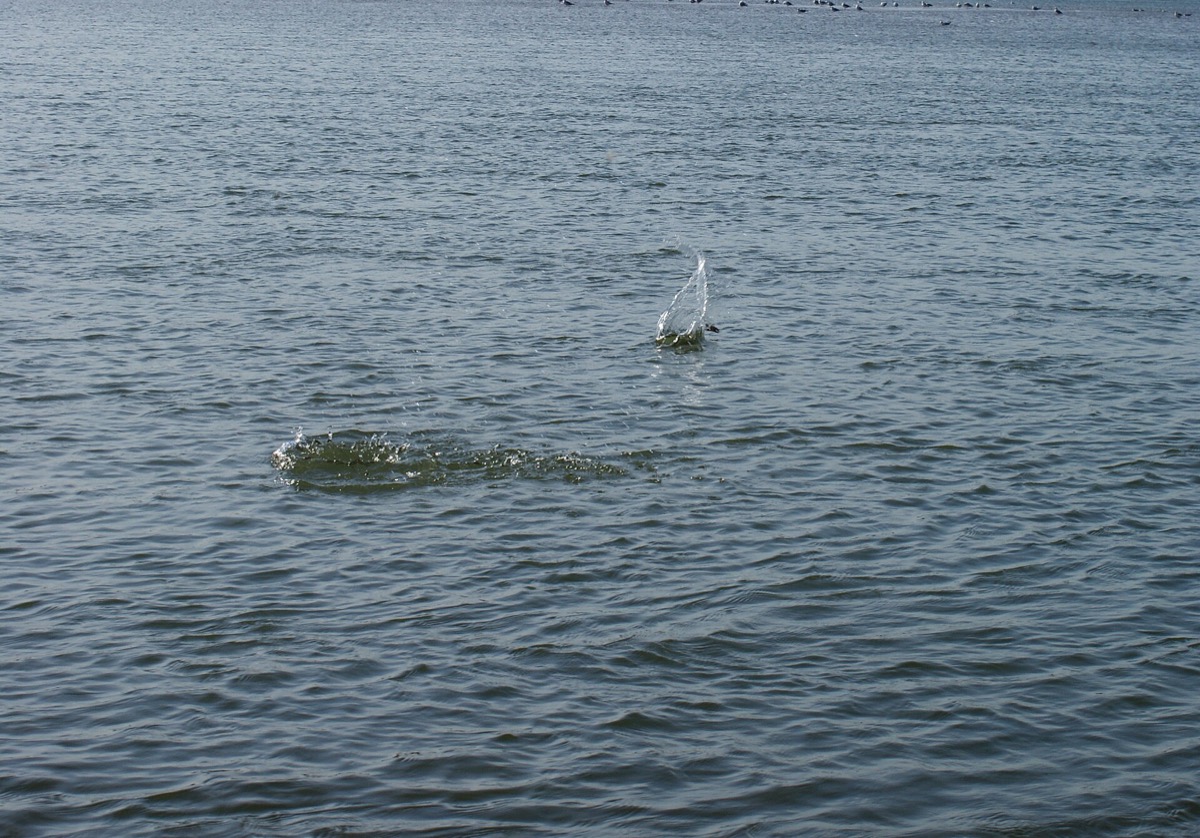
A flat stone thrown at a lake either bounces or goes straight in, and the thing that decides it is the angle between the stone’s face and the water. An earlier experiment had found a of twenty degrees, where the stone needs the least speed to come back up. Nagahiro and Hayakawa simulated the impact in three dimensions and built an equation model beside it. Does the theory land on the same angle?
It does. The three-dimensional simulation agrees well with the experiment, and the model reproduces the minimum too, which turns the magic angle from a measured value into something explained. At twenty degrees between the stone’s face and the water, the speed needed for a bounce sits at its lowest. Tilt the stone any other way and you have to throw it harder.
Skipping a stone is a problem in : a disk meeting a fluid surface at a shallow angle, fast enough and flat enough that the water pushes it back out instead of swallowing it. Clanet and colleagues measured the condition for that and found something unexpectedly sharp.
The magic angle sits at about twenty degrees between the stone’s face and the water, and at that attitude the minimum speed required for a bounce is lowest. Throw at that tilt and you can get away with the slowest throw. The measurement was clear. The reason behind it was not.
Nagahiro and Hayakawa came at it from two directions at once. One was a full three-dimensional simulation of a disk hitting water, run with , which represents the fluid as a cloud of moving particles instead of a fixed grid. The other was a stripped-down ordinary differential equation model of the same impact.
The simulation came out in good agreement with the experiment, which is the check that the physics inside it is right. The equation model then reproduced the minimum from a handful of terms, and a handful of terms is what an explanation looks like. The magic angle stops being a curiosity of the water and becomes a consequence of the impact dynamics.
wat. Twenty degrees is not a rule of thumb somebody happened to notice, it is where the equations put the cheapest bounce.
wat wat
A piece of playground folklore turned out to have a derivable optimum, and the same impact physics governs anything meant to skim a surface rather than enter it.
How do we know?
Nagahiro and Hayakawa simulated a disk striking water in three dimensions using smoothed particle hydrodynamics, and analyzed the same impact with an ordinary differential equation model.
What is still unknown
A simulation and a model, leaning on somebody else’s experiment for validation. A real stone is not a smooth circular disk, and the analysis covers the impact alone.
Learn something?
Where to next
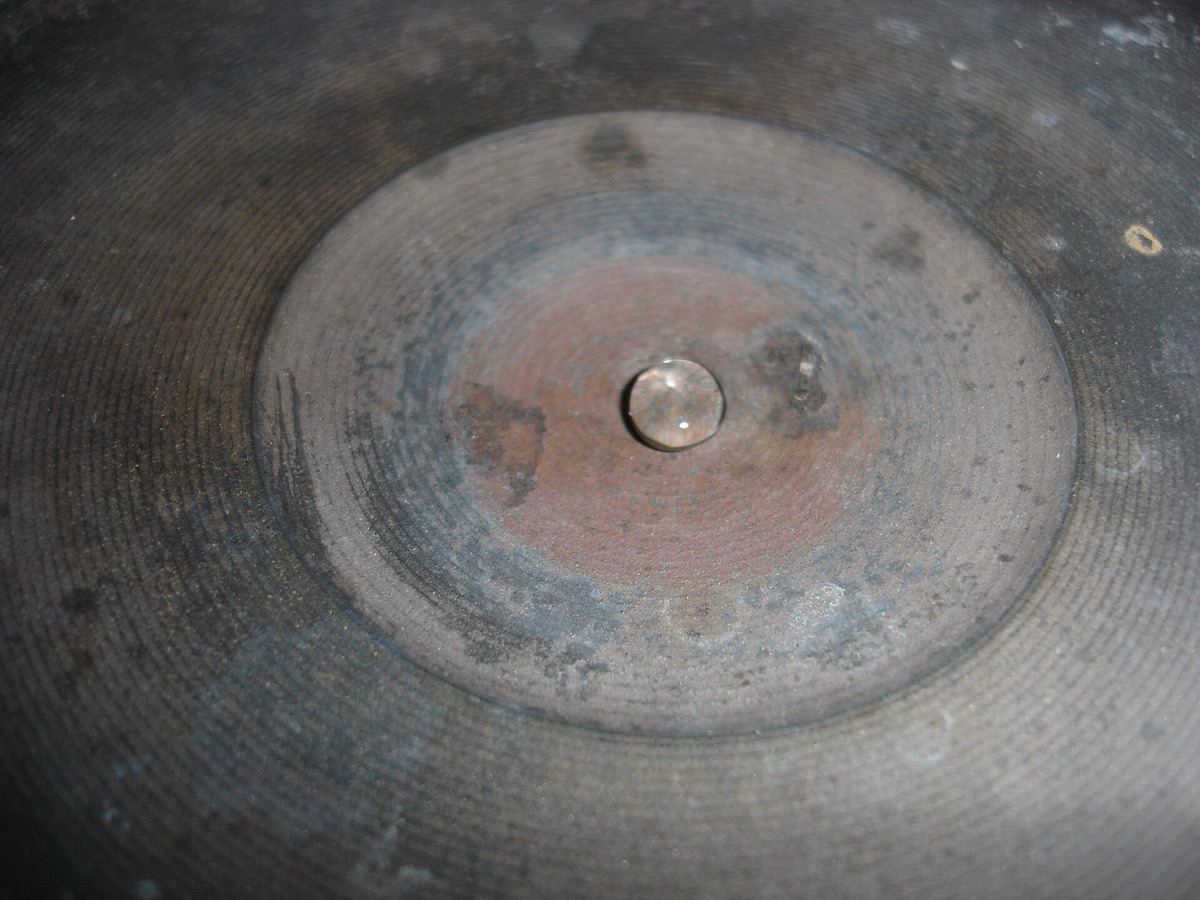 Why does a drop of water flee a very hot pan in particular?water
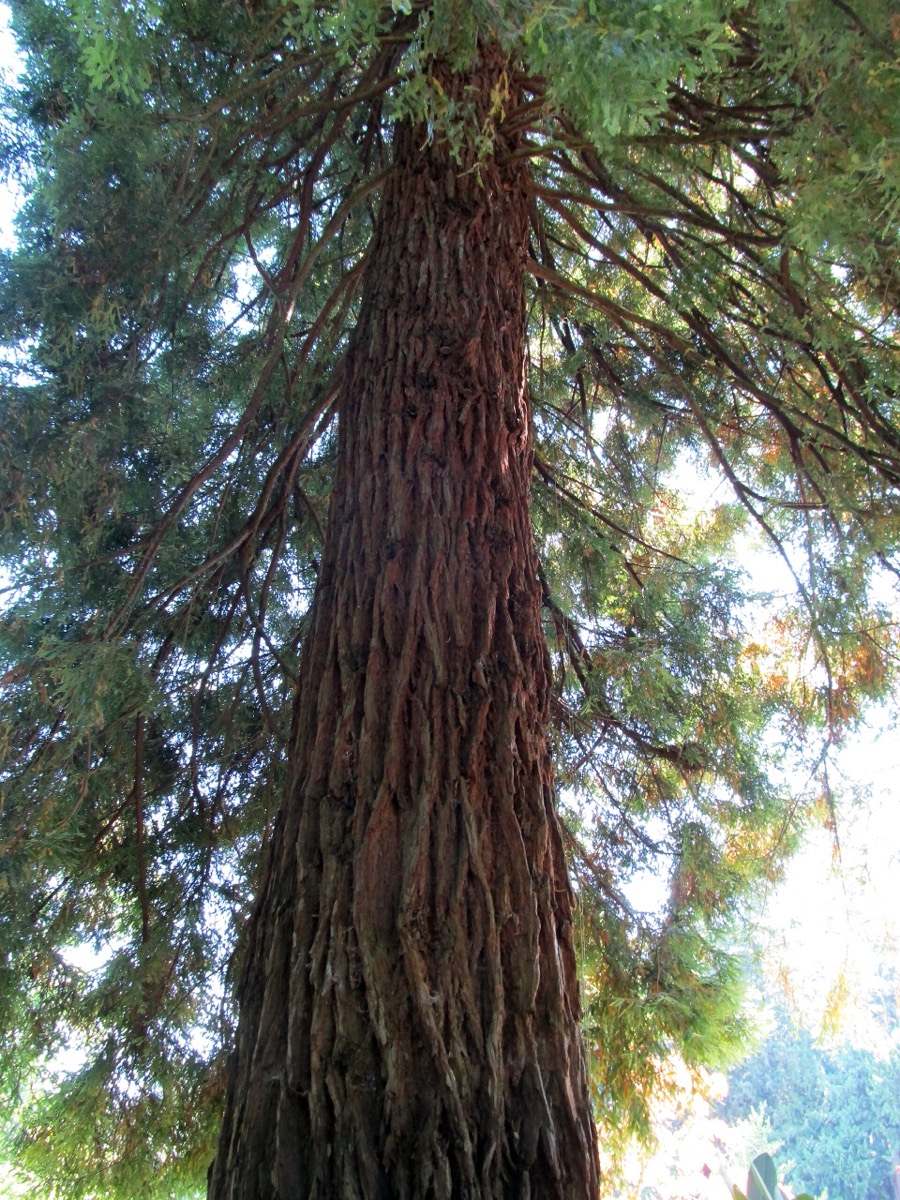 What sets the limit on how tall a tree can get?water
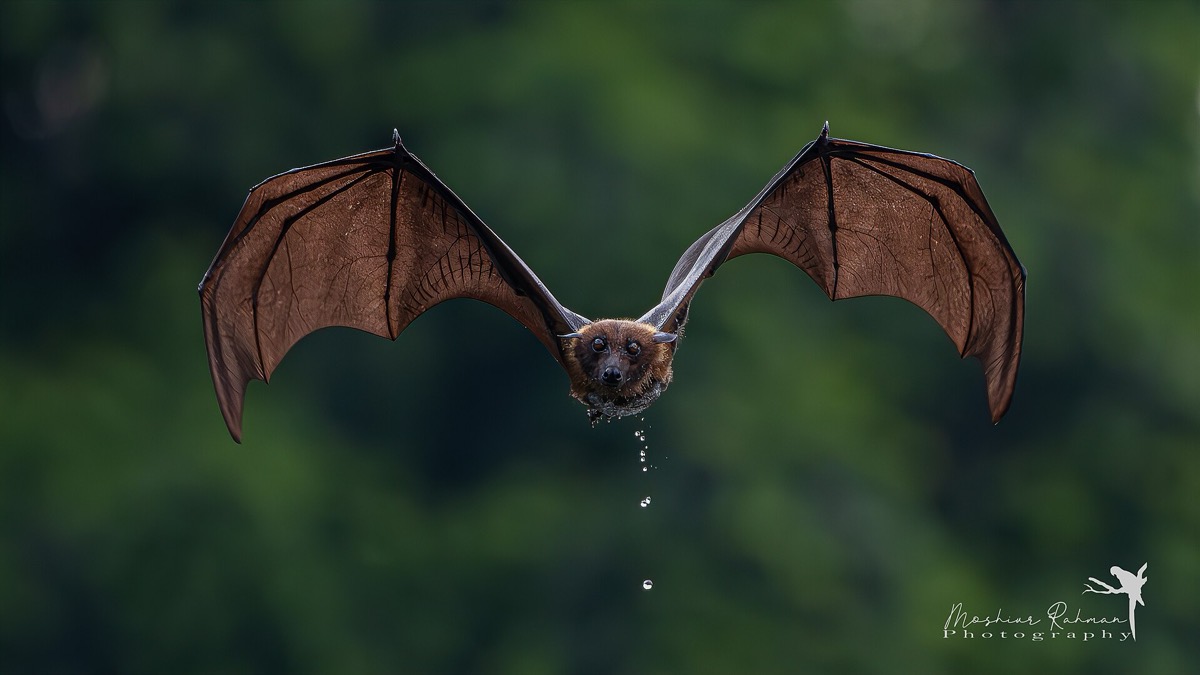 How does a bat in the dark know it has found a pond?water