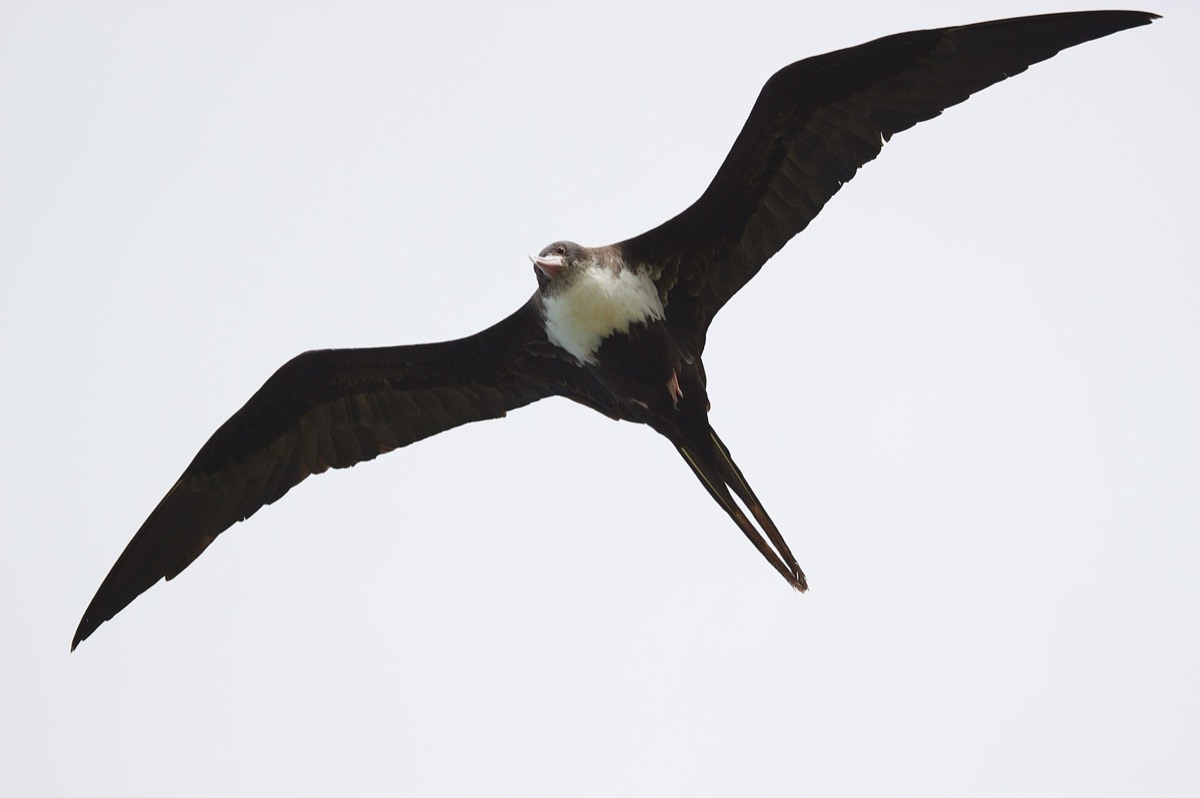
A tropical seabird feeding far offshore has nowhere to shelter and no way to outrun a storm system by brute speed. Several cyclones crossed the breeding grounds in the middle of a tracking study of and , which handed the researchers an experiment nobody would have designed. Weimerskirch and Prudor compared what adults and inexperienced young birds did. Who stayed and who flew?
They split by age and by species. Once the winds reached , juveniles of both species and adult frigatebirds stayed at the colony, while adult boobies carried on with their foraging routine. Mortality among the birds that stayed on land was limited. Adults caught out at sea avoided the center of the low pressure system and moved west to bypass the cyclone’s track, with frigatebirds climbing to high altitude near the eye to get around it fast.
How extreme weather affects marine animals that have to keep feeding through it is poorly understood, largely because nobody can arrange a cyclone. Weimerskirch and Prudor were already tracking red-footed boobies and great frigatebirds when several cyclones crossed the breeding grounds and foraging zones.
The first decision is whether to leave the colony at all. Once winds reached gale force, juveniles of both species stayed put, and so did adult frigatebirds, which cannot land on water and would have nowhere to rest. Adult boobies kept their foraging routine going. Mortality among those remaining on land stayed limited.
The adults caught out at sea did something more interesting than endure it. They avoided the center of the and moved westward, bypassing the route of the cyclone and working around the moving storm rather than through it.
Frigatebirds added a vertical move, climbing to high altitude when close to the eye and using the speed up there to get past. Both tactics likely cut the risk of dying at sea, at a cost: birds end up temporarily outside their normal range, over open ocean or over land. If cyclonic conditions increase, that cost falls hardest on the birds too young to have learned any of this.
wat. The experienced birds went around the eye, and the young ones stayed home, which is two different ways of surviving the same storm.
wat wat
If cyclones grow more frequent, the cost falls unevenly: a strategy that depends on experience leaves the young birds of a colony carrying the risk.
How do we know?
Weimerskirch and Prudor tracked red-footed boobies and great frigatebirds through several cyclones that crossed their breeding and foraging grounds, comparing departures and at-sea routes between adults and juveniles.
What is still unknown
Opportunistic data from storms that happened to arrive, with modest numbers of tracked birds. Avoiding a low pressure center shows capability, not how the birds know a cyclone is coming.
Learn something?
Where to next
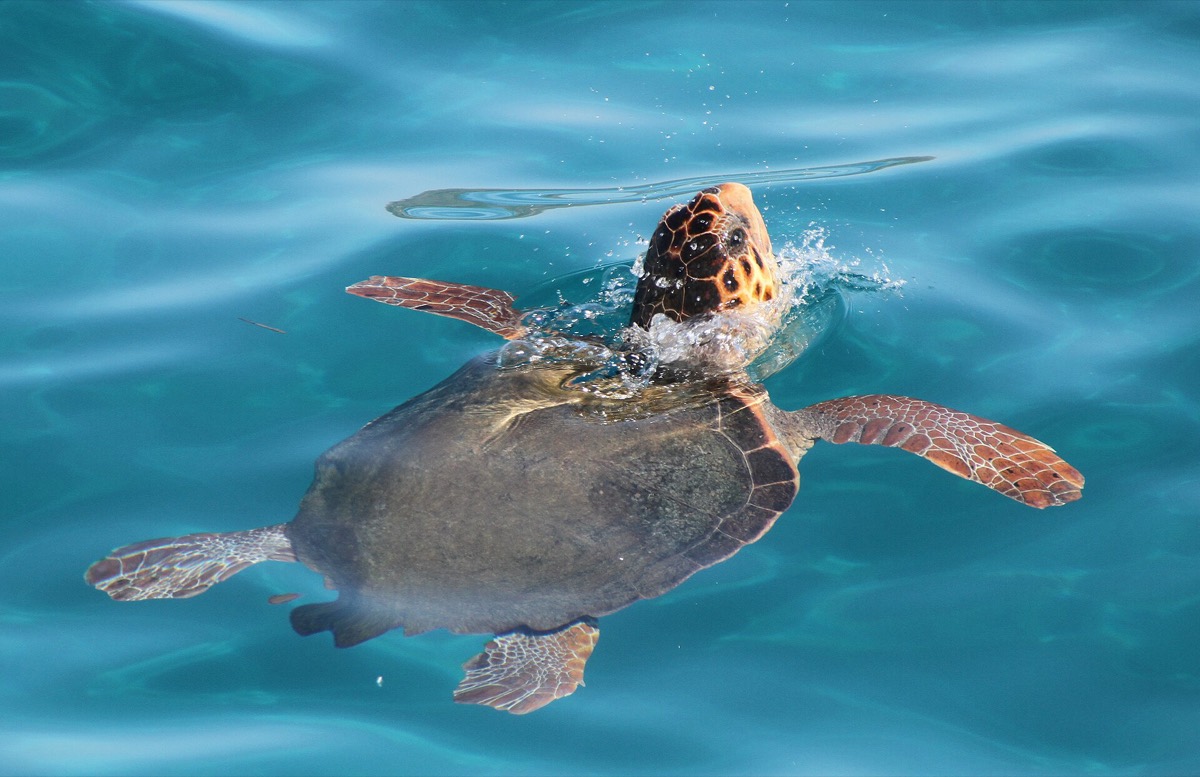 What is a sea turtle actually sensing when it finds its way home?navigation
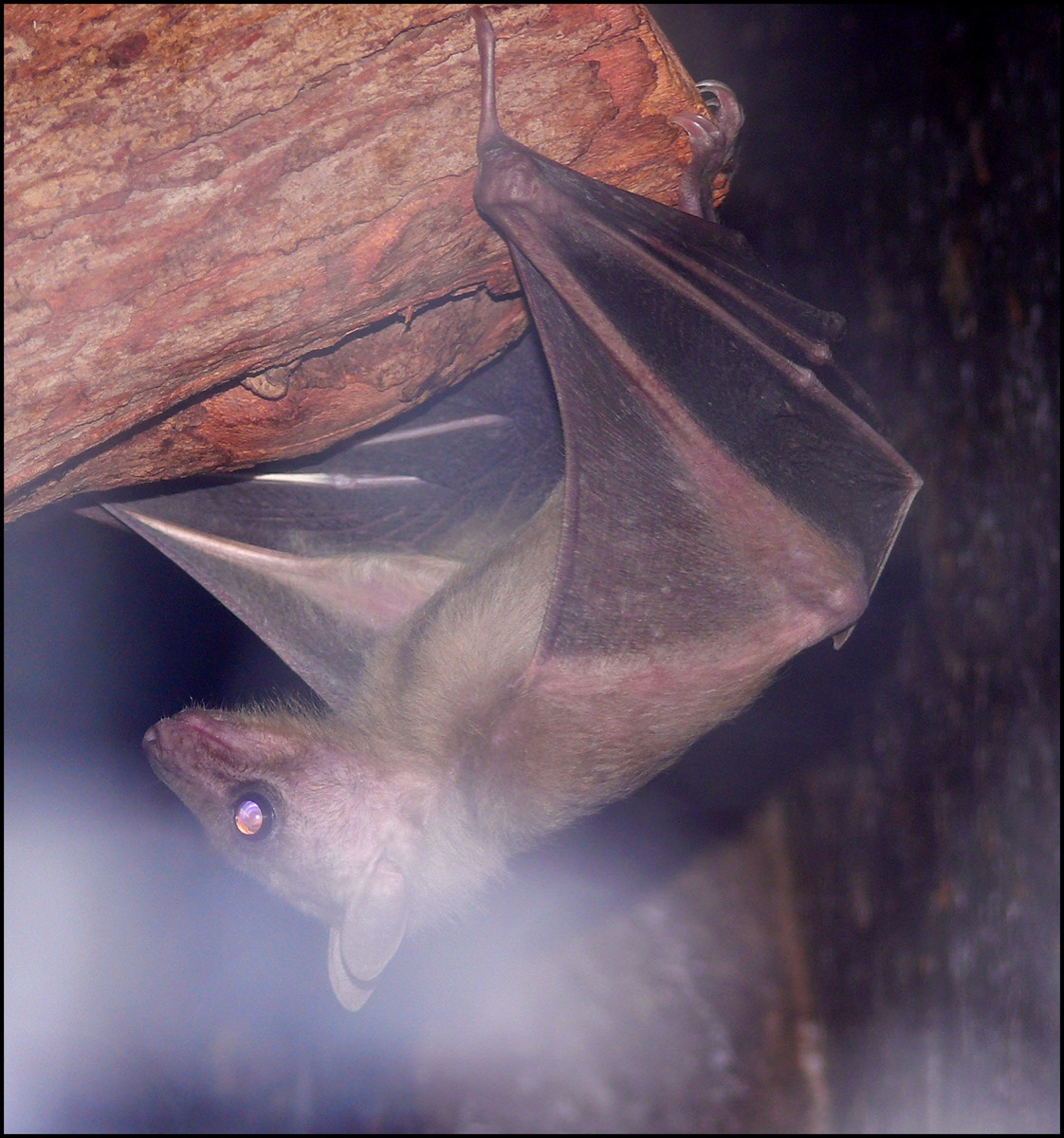 Does a bat carry a map of its valley, or just a set of routes?navigation
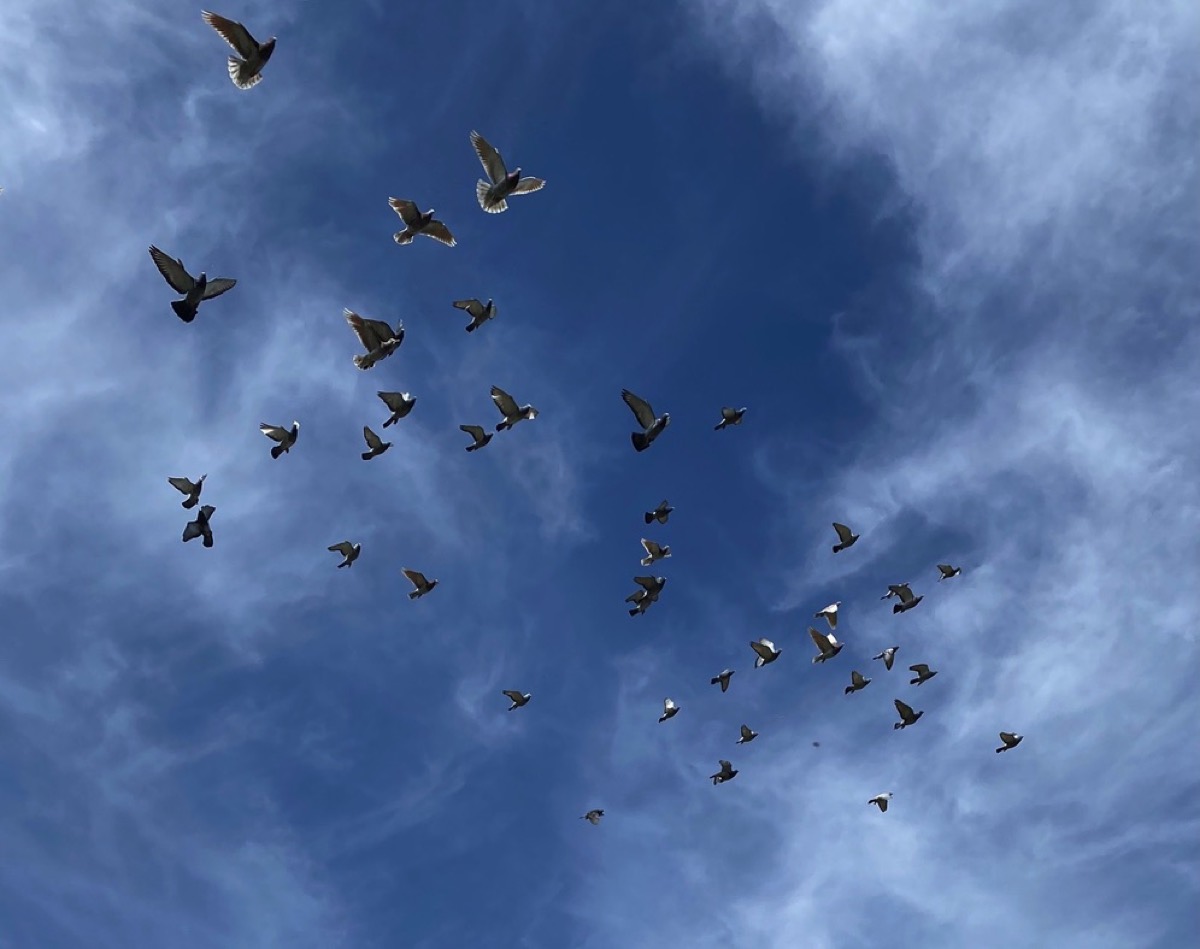 Which unlikely organ helps a pigeon find its way home?navigation