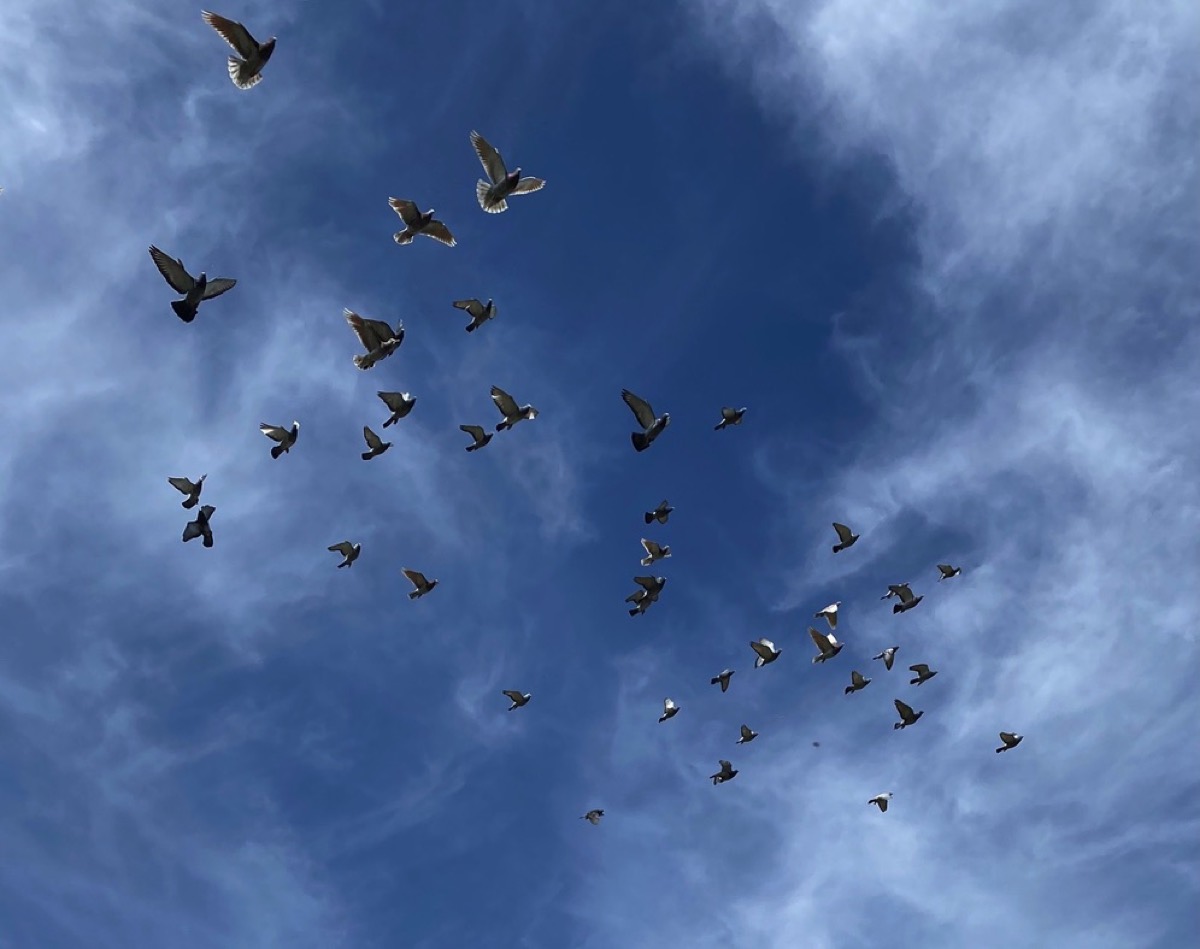
Magnetic sense is the most contested sense there is. One old idea put tiny magnetite crystals in the tissues; a newer one puts light-sensitive cryptochromes in the retina; last year brought electrical currents in the inner ear. Then an ornithologist and an immunologist got talking at a conference, and the immunologist mentioned something about iron in immune cells. Where did that lead?
To the liver. Lisowski and colleagues found iron-rich in homing pigeon livers, and when a drug wiped those cells out, all eighteen treated birds released under heavy overcast got hopelessly lost. Sixteen sham-injected birds flew straight home. Drugged birds released on sunny days, when pigeons steer by the sun instead, also flew home fine, which rules out a general side effect.
How animals sense magnetism has been argued over for decades. Birds, turtles, sharks and dogs all appear to have a magnetically informed sense of direction, and a few researchers suspect a vestigial one in us. The candidate mechanisms have been magnetite crystals acting as needles, cryptochrome proteins in the retina reacting to the field, and, as of last year, induced electrical currents in the pigeon inner ear.
This one began with a conversation. Martin Wikelski of the Max Planck Institute of Animal Behavior described animal navigation to the immunologist Christian Kurts. Kurts mentioned that macrophages from mouse and human spleens contain tiny magnetic iron particles, formed as the cells break down old red blood cells and sequester the iron. He brought in the postdoctoral researcher Clivia Lisowski to test whether pigeons do something similar.
The spleen was the obvious place and the wrong one. A sensitive found the strongest signal in the liver, faint but more than twenty times the instrument background. Staining confirmed abundant in liver macrophages, scarce in the spleen and absent from beak and brain. Electron microscopy showed many of those macrophages sitting right beside neurons that connect to the central nervous system.
Then the test. Thirty-four homing pigeons were trained to fly a nineteen kilometer route due east near Lake Constance. Eighteen got liposomes to knock out the macrophages and were released one at a time under dense cloud, when pigeons must use their magnetic sense rather than the sun. All eighteen got hopelessly lost and came home only after the sky cleared, while sixteen sham-injected birds flew straight back. Released on sunny days, the drugged birds navigated normally.
wat. The compass may be made of leftovers: iron stripped from dead blood cells and stored where nobody thought to look.
wat wat
Nobody was looking in the liver, and nobody was looking at immune cells. The iron was there because macrophages recycle old red blood cells, which is a sense built out of housekeeping.
How do we know?
A Science paper, reported by Erik Stokstad. The team surveyed pigeon tissues with a magnetometer and iron staining, then depleted liver macrophages with clodronate liposomes and tracked thirty-four trained pigeons by GPS on a nineteen kilometer route.
What is still unknown
Researchers quoted in the report call it a proof of concept. Knocking the cells out shows they matter, but nobody has yet manipulated the magnetic information itself, and how a macrophage would pass a signal to a neuron is unknown.
Learn something?
Where to next
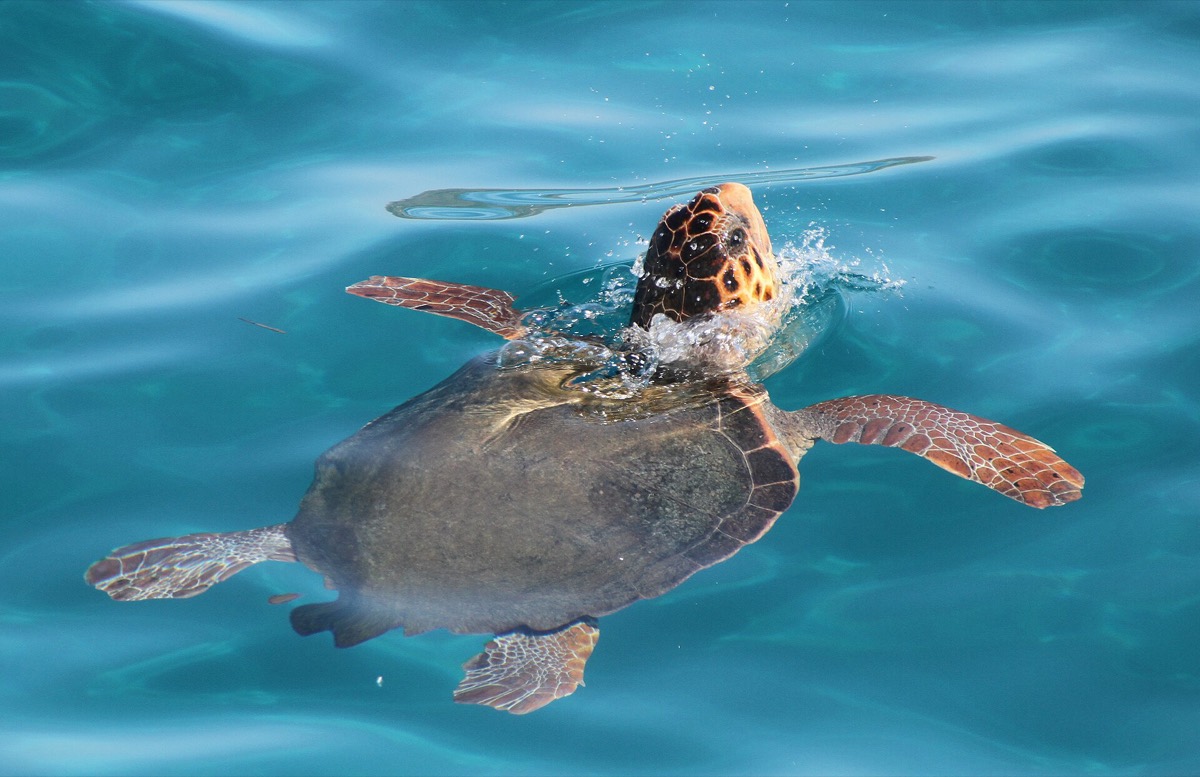 What is a sea turtle actually sensing when it finds its way home?navigation
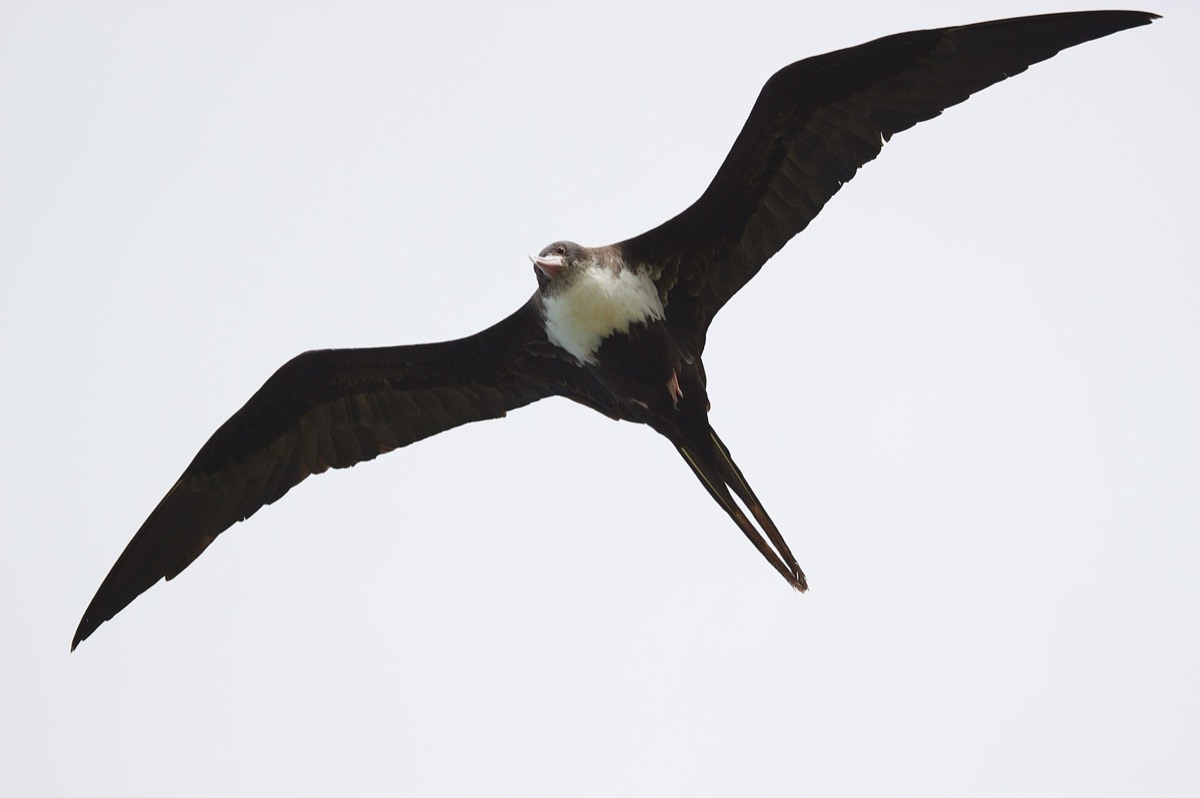 What does a seabird do when a cyclone is coming?navigation
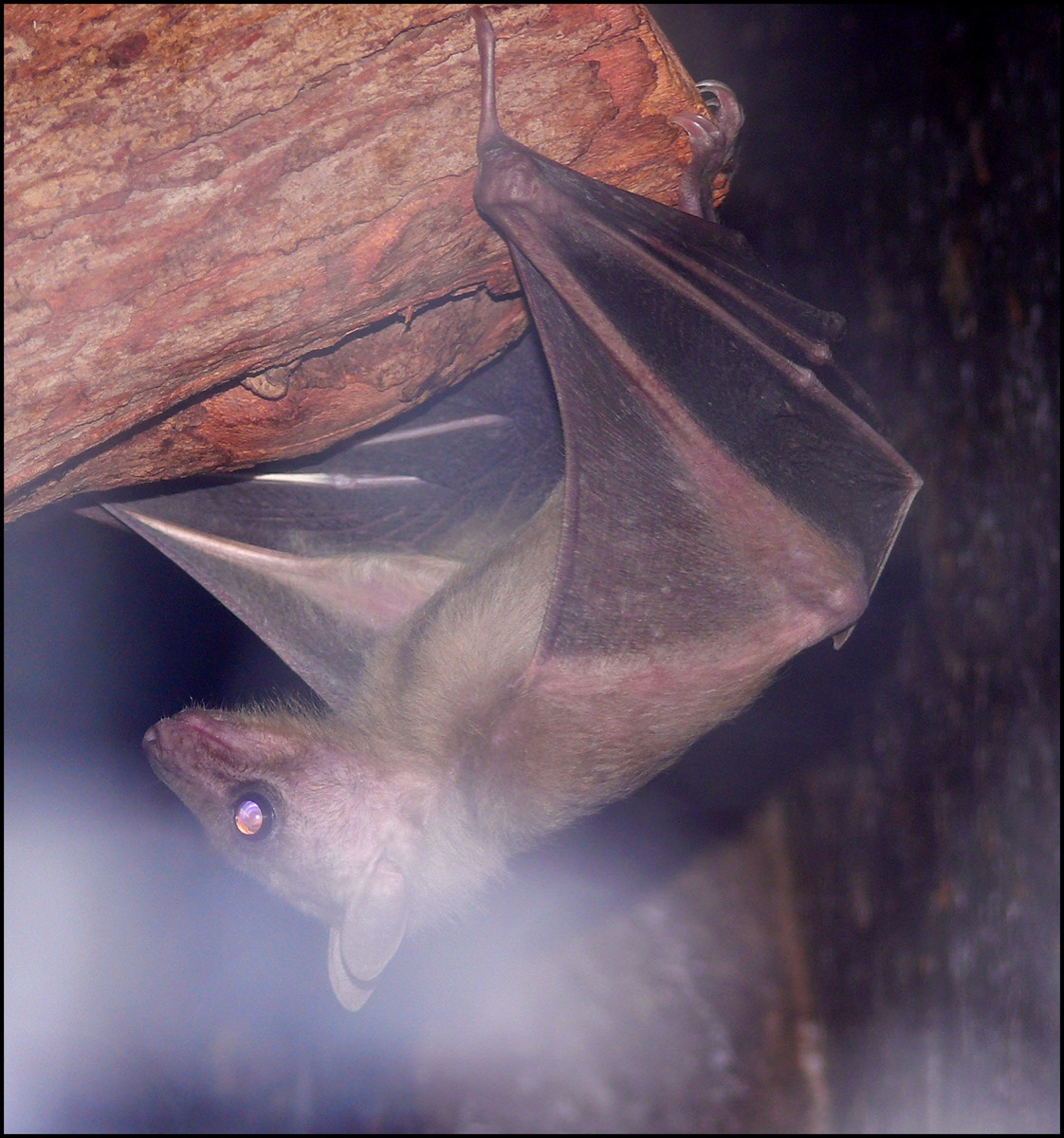 Does a bat carry a map of its valley, or just a set of routes?navigation