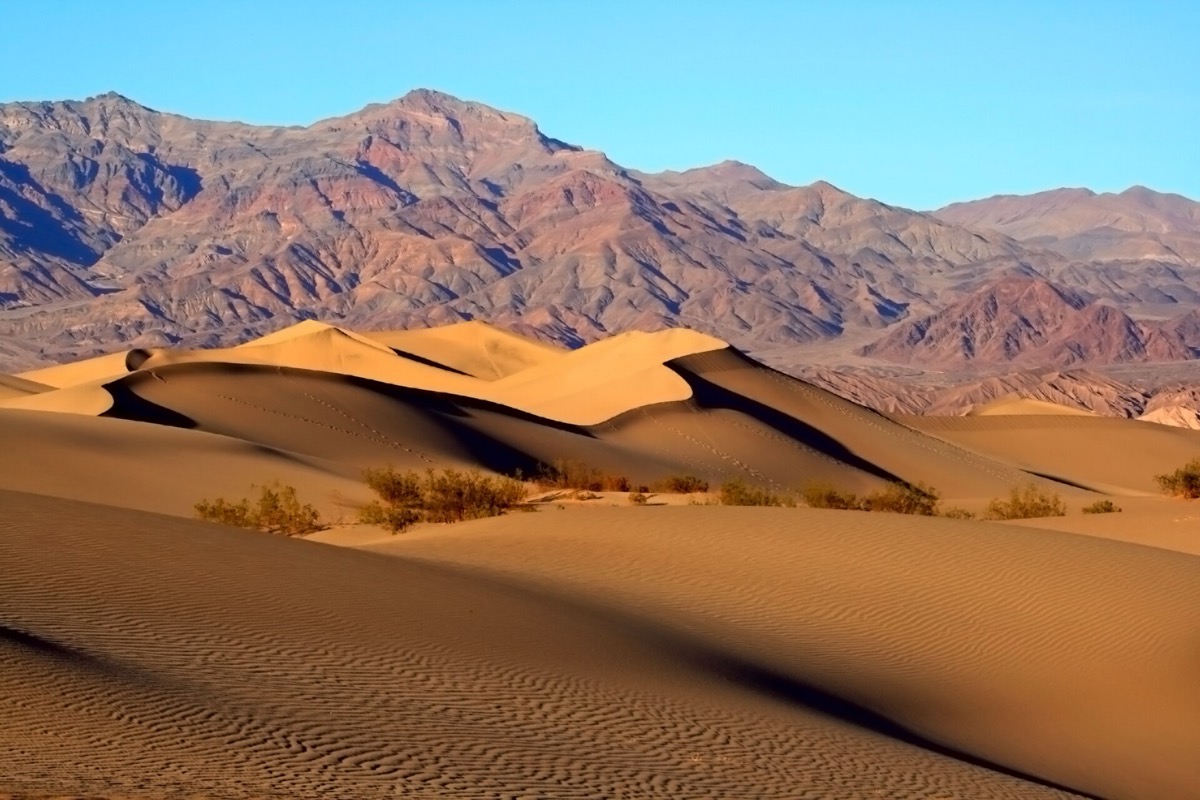
Travelers have described since Marco Polo, and they are rare enough that the cause stayed mysterious. Earlier work ruled out the wind around the dune and pointed at the avalanche, and ruled out the grains ringing and pointed at their relative motion. Millions of random collisions should sound like noise rather than a note. What organizes them?
The grains fall into step. Comparing several singing dunes against controlled avalanches showed that the frequency of the sound is the frequency of the relative motion of the grains. Some of the moving grains synchronize their motion. Both experiments also found a , below which no sound comes at all.
Travellers have reported booming dunes since Marco Polo, and the rarity of the phenomenon is part of why it stayed unexplained. Earlier work established two negatives: the sound is not the air flowing around the dune, and it is not the grains themselves ringing.
What is left is the avalanche, and specifically the relative motion of the grains inside it. That raises the real puzzle. Millions of grains colliding at random would produce broadband noise, and what dunes produce is a note with a well-defined frequency that can last for minutes.
The team compared several singing dunes with two controlled experiments, one in the laboratory and one in the field. The frequency of the sound turned out to match the frequency of the relative motion of the grains, and the sound exists because takes hold among some of the moving grains.
The threshold is what explains the synchronizing. Both experiments found a minimum velocity below which nothing sounds, which points to an acoustic resonance inside the flowing layer. If the layer is large enough it forms a , and within it the grains fall into step.
wat. A dune sings when grains in an avalanche move at a shared rhythm, turning millions of small noises into one note.
wat wat
A pile of grains with no mechanism for coordinating anything organizes itself into an instrument the size of a hill, which is self-organization you can hear from a kilometer away.
How do we know?
Douady and colleagues compared recordings and grain measurements from several singing dunes against controlled avalanches, one experiment in the laboratory and one in the field, varying flow speed and the thickness of the moving layer.
What is still unknown
The effect is rare and fragile. Dunes with mixed grain sizes or layered sand may produce several frequencies or nothing, and a dune that sings in one season can fall silent in another.
Learn something?
Where to next
 Can you hear a coral reef recovering?sound
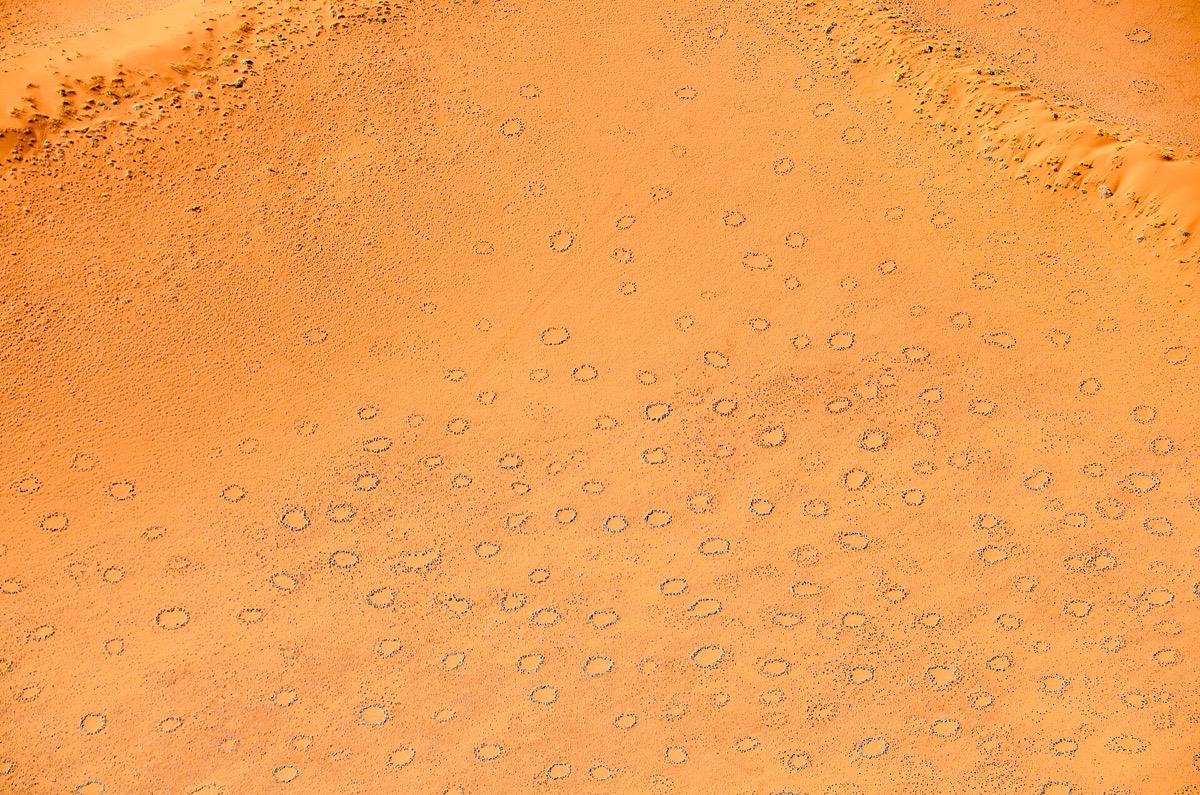 Who draws hundreds of thousands of bare circles into the grass of the Namib?self-organization
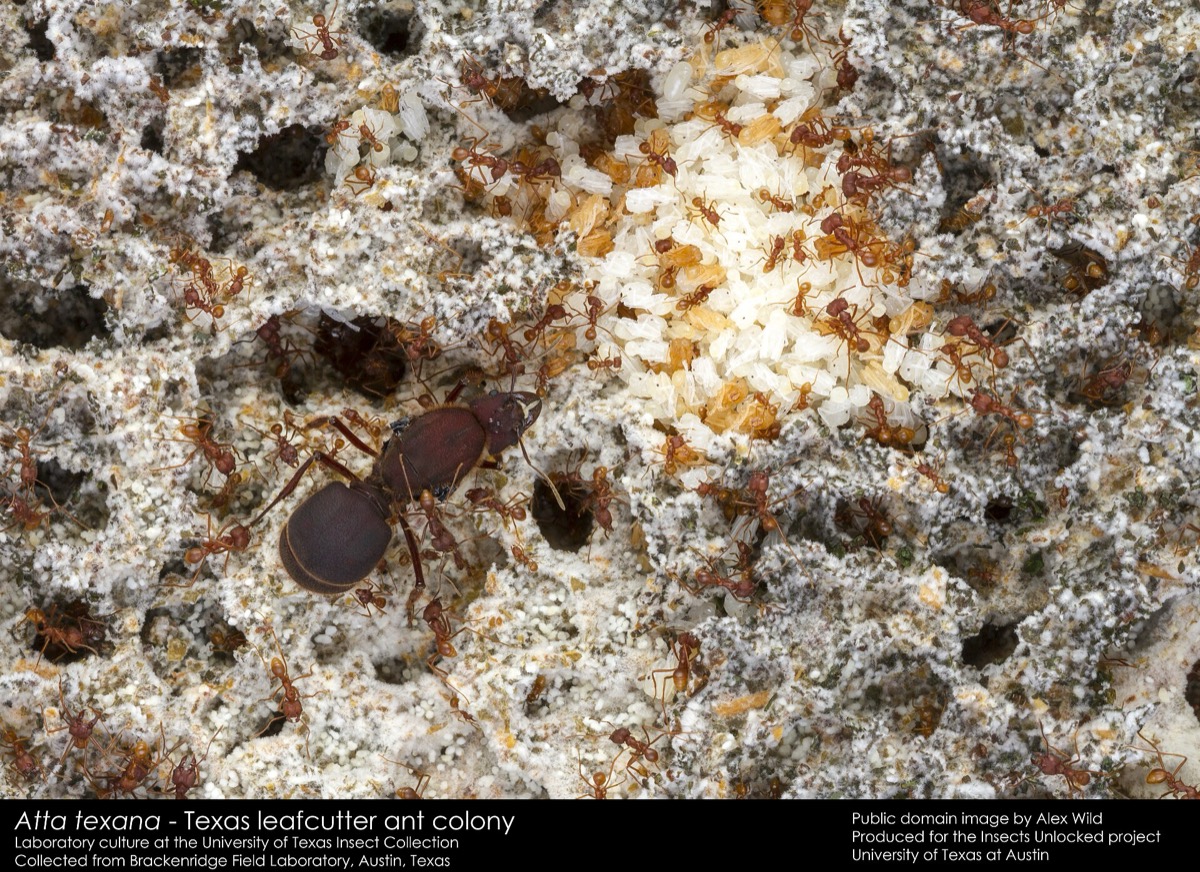 How do ants find a short route when none of them has the map?self-organization