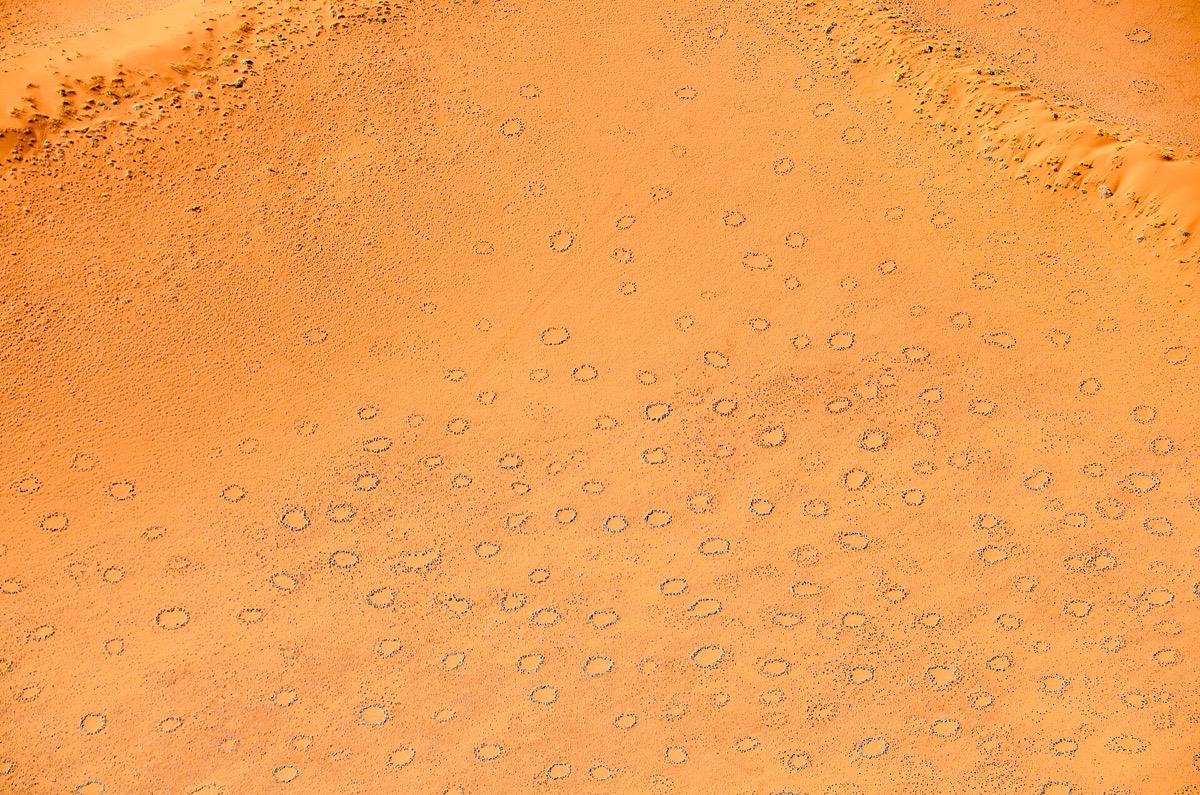
are nearly round barren patches in the Namib, ringed by taller grass and spaced at regular intervals across hundreds of kilometers of southwestern Angola, Namibia and northwestern South Africa. A pattern like that is not an accident. Fifty years and more than 30 papers after the first description, who draws it?
Still nobody agrees. A review of the whole literature lays out four main explanations and finds the field without agreement on the true reason. of vegetation competing for water and the activity of remain the leading candidates, alongside gas seepage and from Euphorbia. The evidence supports more than one, and no single mechanism accounts for every site.
The circles were first described fifty years ago, and more than thirty peer-reviewed papers have been published on extremely diverse theories about what causes them. Scientists working in the driest parts of the world are still without agreement.
The review starts from the physical facts rather than the camps: soil substrate, moisture content, shape, size, lifespan, dynamics and spatial patterning. Any explanation has to fit those before it fits anybody’s preference.
Four main explanations compete. Self-organization of vegetation under competition for water, insects and specifically sand termites, gas seepage from below, and allelopathy from Euphorbia. The review presents the supporting evidence from the proponents of each, and the critical views against them.
The argument lasts because the evidence is real on more than one side. Termites genuinely occur at circles, and competition models genuinely produce regular spacing, and neither accounts for every site. Circles in Australia may not even be the same phenomenon, which means the question may have more than one answer.
wat. After fifty years of study, the fairy circles of the Namib remain an argument between termites, plants and water.
wat wat
The circles are a live test of how animals, plants and water can produce order at the scale of a landscape, which is why the argument has outlasted most of the people who started it.
How do we know?
Meyer and colleagues reviewed more than 30 peer-reviewed papers covering soil substrate, moisture, shape, size, lifespan, dynamics and spatial patterning, with the evidence offered by each camp and the criticism against it.
What is still unknown
Circles in the Namib and in Australia are not necessarily the same phenomenon, and the evidence shifts between regions and between wet and dry years.
Learn something?
Where to next
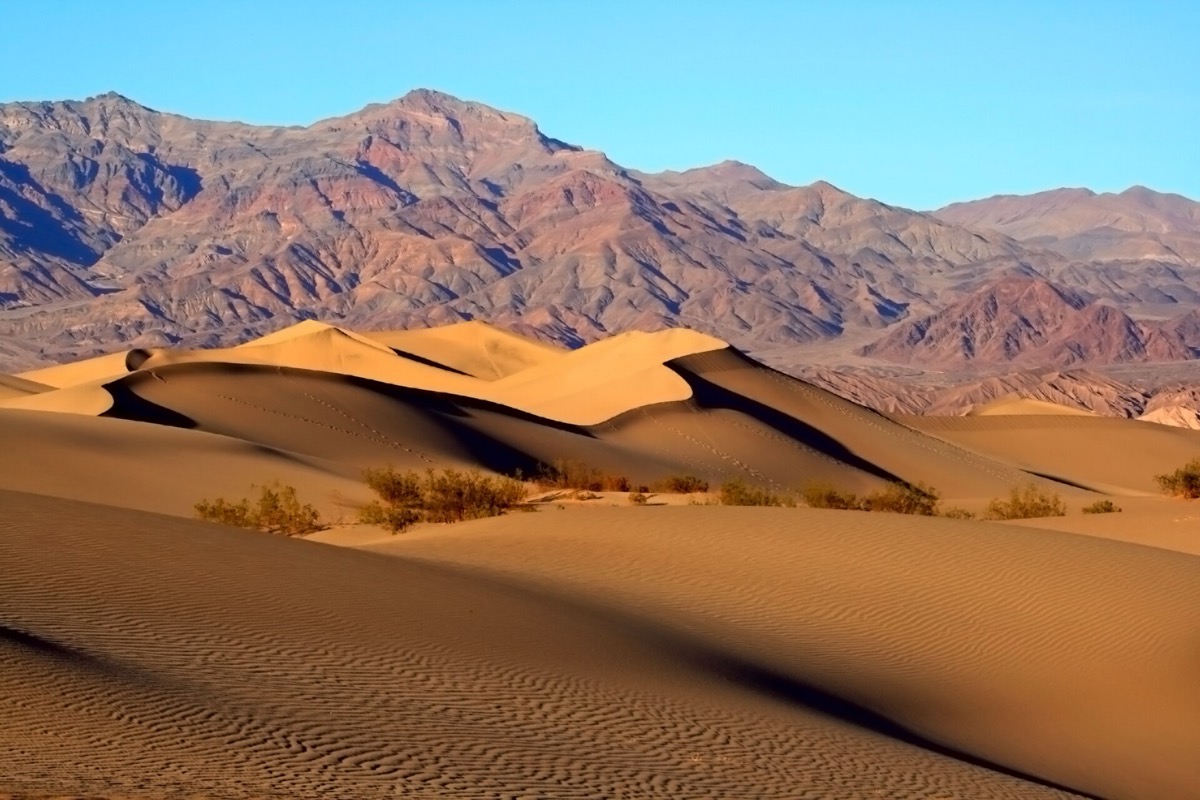 A sand dune starts booming loud enough to hear from far away. Who is playing?self-organization
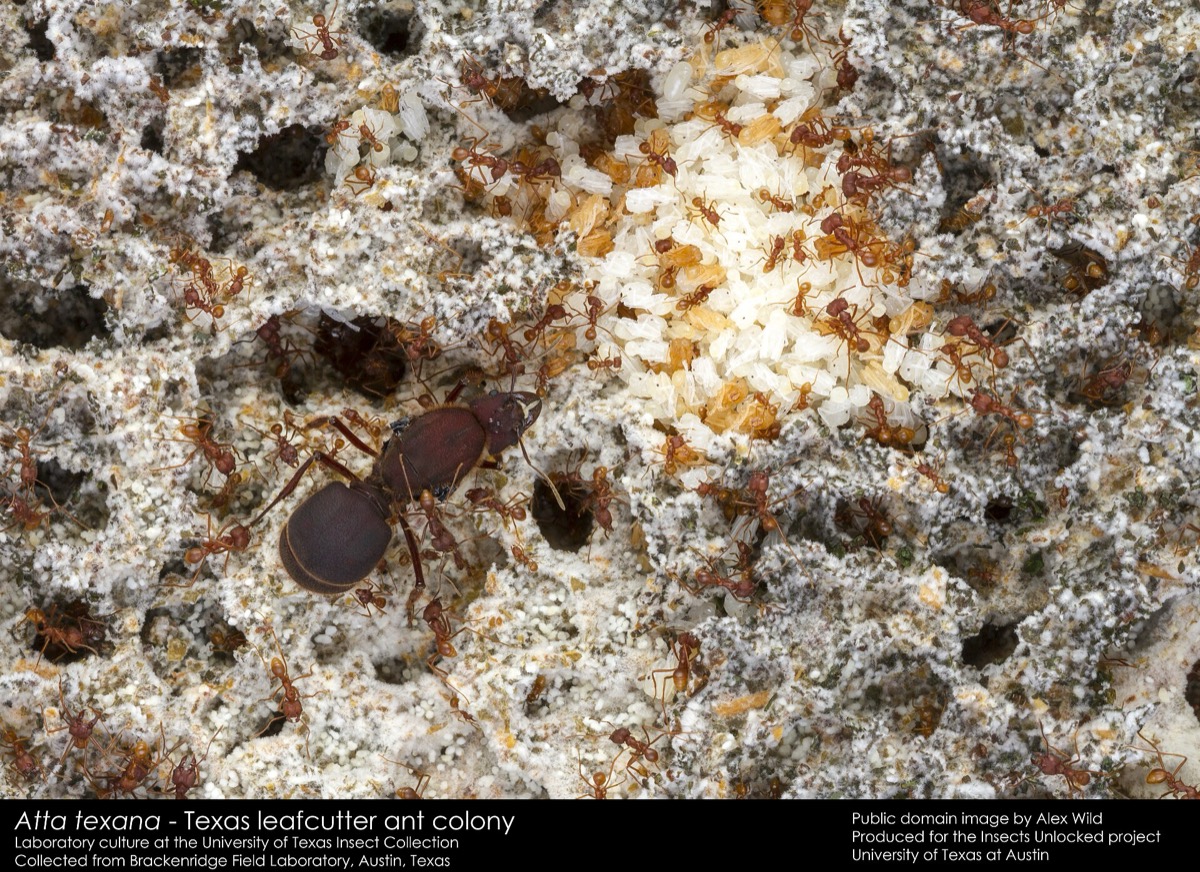 How do ants find a short route when none of them has the map?self-organization
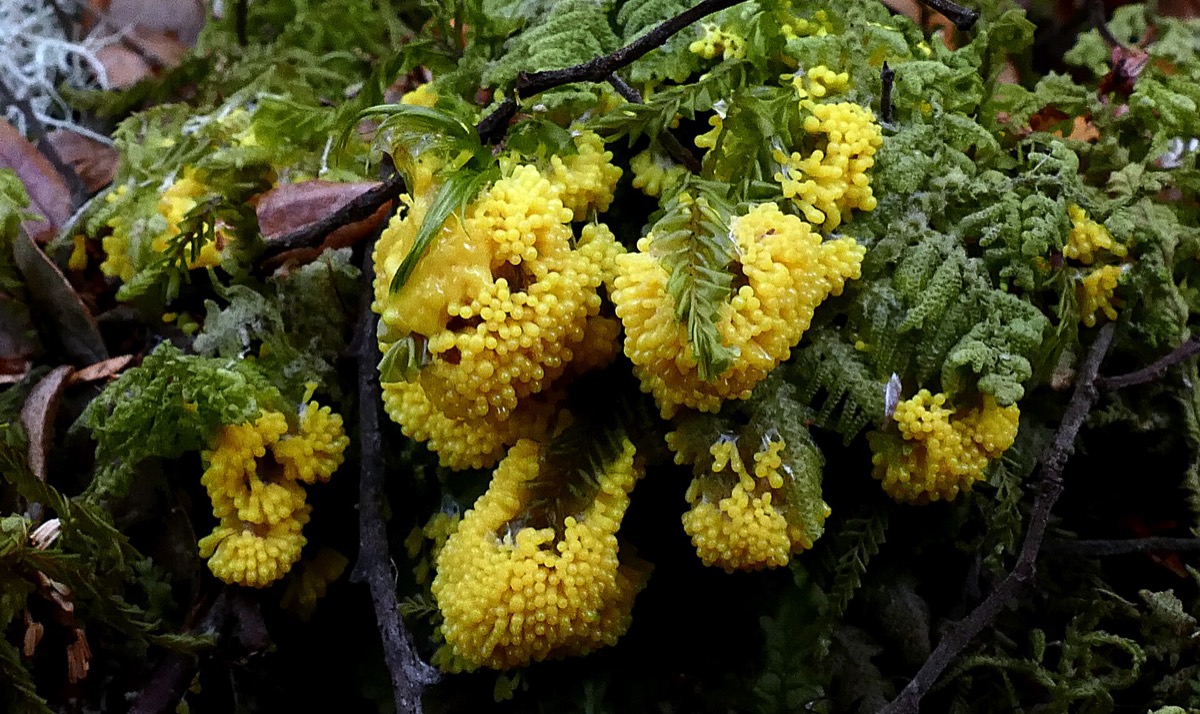 What happened when a brainless organism designed a rail network?self-organization