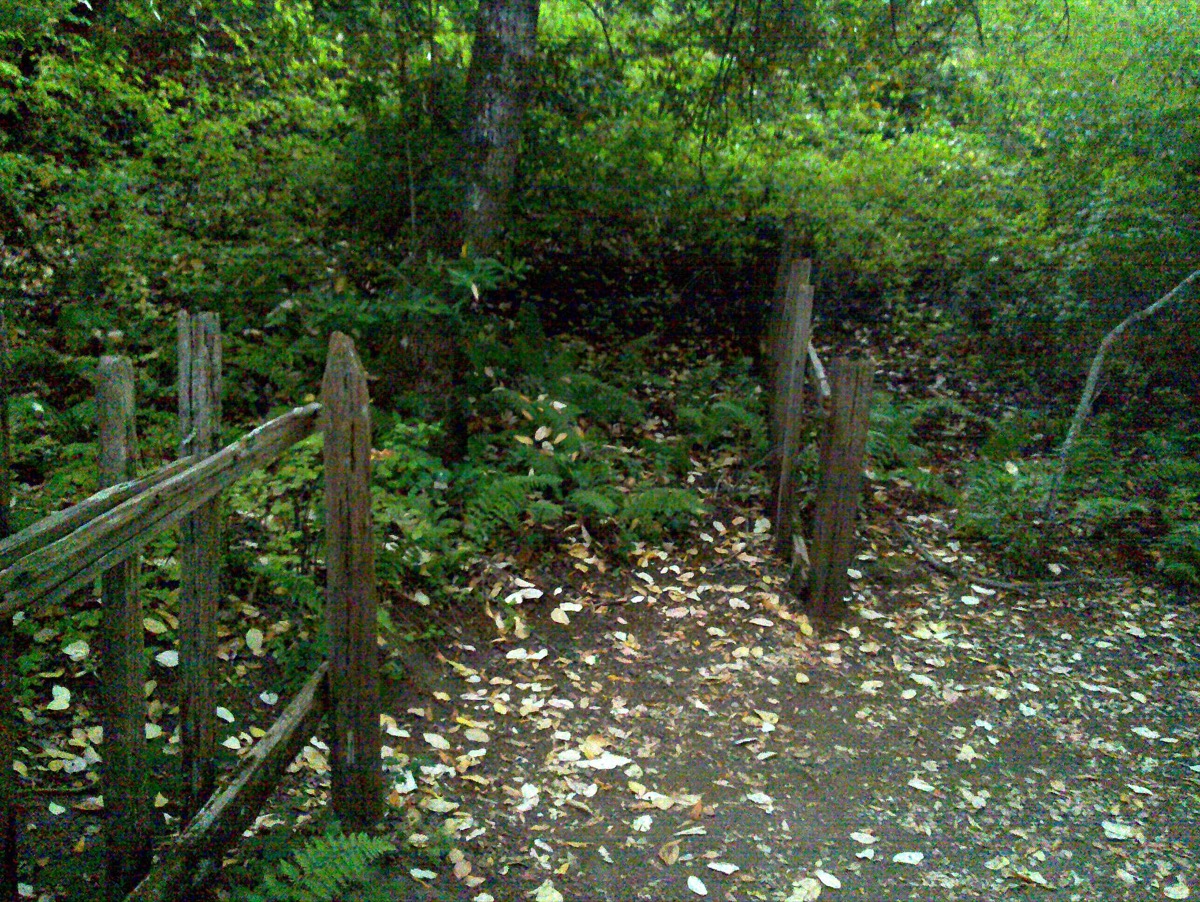
At twelve minutes past five on the morning of the eighteenth of April, nineteen oh six, a foreshock was felt across the San Francisco Bay area. The great earthquake broke twenty to twenty-five seconds later, with violent shocks through forty-five to sixty seconds of strong shaking. Afterward, fences and roads across northern California no longer lined up. What had the ground done?
Slid sideways, for two hundred and ninety-six miles. The rupture ran along the northernmost stretch of the , from northwest of San Juan Bautista to the triple junction at Cape Mendocino. The large horizontal displacements and the sheer length of the break confounded the geologists of the day, who had no framework that allowed it. Shaking was felt from southern Oregon to below Los Angeles.
The California earthquake of the eighteenth of April, nineteen oh six, ranks among the most significant of all time, and its importance now comes more from what was learned than from its size. The rupture ran the northernmost two hundred and ninety-six miles of the San Andreas fault, from northwest of San Juan Bautista to the triple junction at Cape Mendocino.
What confounded contemporary geologists was the direction and the scale. Large horizontal displacements along a break that long did not fit any available account of what earthquakes were. Recognition of the fault’s significance, and of the large cumulative offset along it, had to wait for plate tectonics more than fifty years later.
The shaking itself was mapped carefully. values of seven to nine paralleled the length of the rupture and reached as far as eighty kilometers inland. The earthquake was felt from southern Oregon to south of Los Angeles, and inland as far as central Nevada. Lawson’s report of nineteen oh eight drew out the correlation between intensity and the ground underneath, which is the basis of today.
Analysis of the displacements and of the strain in the surrounding crust led Reid, in nineteen ten, to the of the earthquake source. The public remembers the fire instead, which gives the event its slightly misleading name, since shaking damage was equally severe at many other places along the rupture. Most fatalities occurred in San Francisco, with one hundred and eighty-nine reported elsewhere.
wat. The fences had moved sideways, and sideways was the direction nobody’s theory of earthquakes allowed.
wat wat
Reid’s elastic-rebound theory came out of these measurements and remains the principal model of the earthquake cycle, so the event that nobody could explain became the one that explained the rest.
How do we know?
The U.S. Geological Survey account draws on the Lawson report of nineteen oh eight, still the authoritative study of the earthquake, and on the analysis of displacement and crustal strain that followed it.
What is still unknown
The frequently quoted figure of seven hundred deaths is now believed to underestimate the real loss by a factor of three or four. Even a famous disaster has an uncertain record.
Learn something?
Where to next
 What carves a canyon into thousands of stone spires?geology
 What did geologists do to the man who proposed continental drift?geology
 Why does cooling lava crack into columns?geology