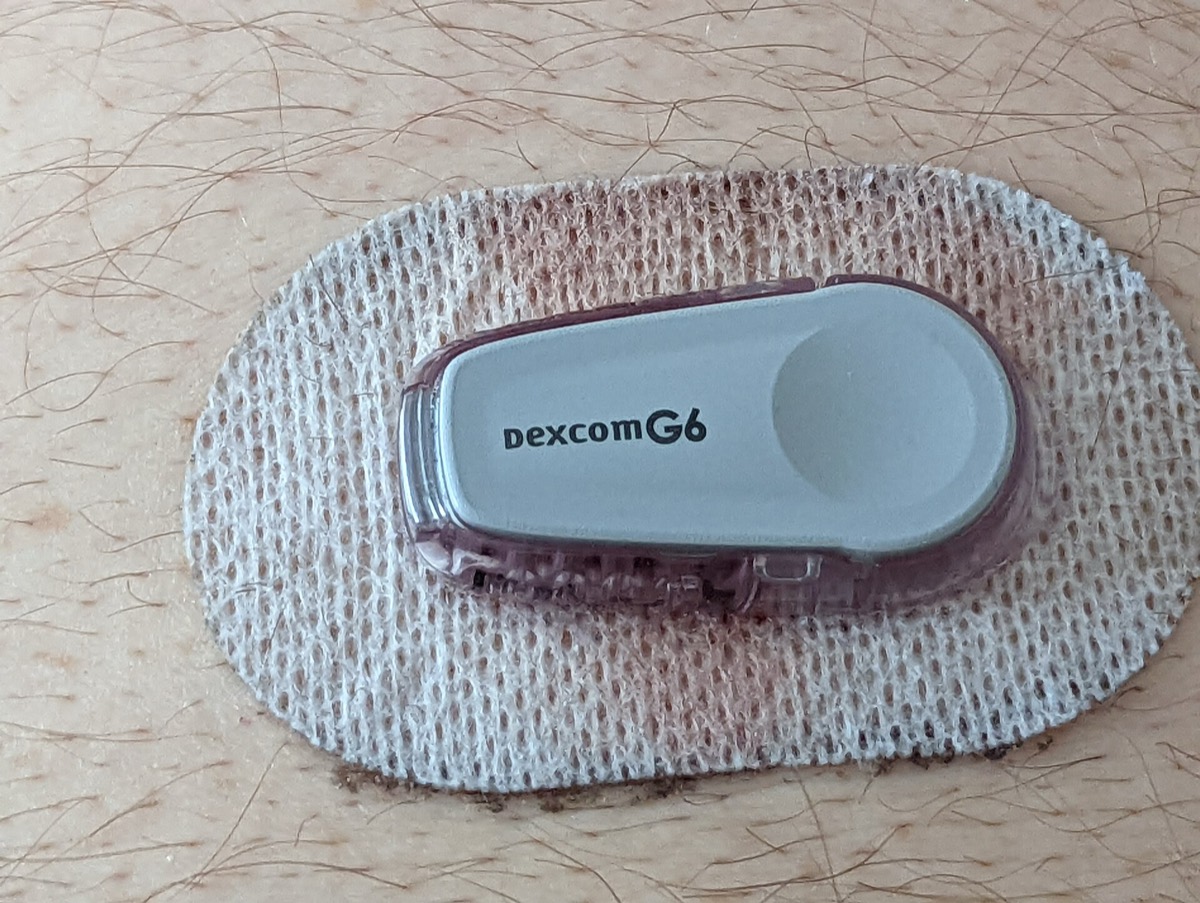
High blood glucose after meals drives prediabetes and type 2 diabetes, and dietary advice for controlling it works poorly. One possible reason is that the advice is universal and the physiology is not. So researchers fitted continuous monitors to 800 people for a week and recorded their responses to 46,898 meals. If identical meals produce different responses, the whole premise of general guidance is in trouble. Do they?
Responses to identical meals varied widely between people. The team then built a combining blood parameters, dietary habits, anthropometrics, physical activity and , and it predicted an individual’s glycemic response to real-life meals accurately. Those predictions held up in a separate 100-person cohort. A blinded randomized dietary intervention built on the algorithm then produced significantly lower postprandial responses.
Elevated blood glucose after meals is a major risk factor for prediabetes and type 2 diabetes, and the existing dietary methods for controlling it have limited efficacy. That failure is usually treated as a problem of adherence. Another possibility is that the advice is aimed at an average person who does not exist.
To test that, glucose was for a week in a cohort of 800 people, capturing responses to 46,898 meals. The finding that matters came first: high variability in the response to identical meals. If the same food does different things to different people, universal dietary recommendations have limited utility by construction.
The team then built a machine-learning algorithm integrating blood parameters, dietary habits, anthropometrics, physical activity and gut microbiota measured in that cohort. It accurately predicted personalized postprandial glycemic responses to real-life meals, and the predictions were validated in an independent cohort of 100 people.
Finally they ran a blinded randomized controlled dietary intervention based on the algorithm, which produced significantly lower postprandial responses along with consistent changes in microbiota configuration. So the model was not merely descriptive. Keep the endpoint in view, though. This is glucose after meals, a surrogate marker, and the trial was not built or sized to show that personalized diets prevent disease.
wat. The same meal sent one person’s glucose up and left another’s flat, and a model using their gut bacteria could tell in advance which was which.
wat wat
It attacks the format of nutrition advice rather than its content. If the same food reliably does different things to different people, a single glycemic ranking of foods cannot be the right tool.
How do we know?
Zeevi and colleagues continuously monitored glucose for a week in 800 people across 46,898 meals, trained a predictive algorithm, validated it in an independent 100-person cohort, and tested it in a blinded randomized dietary intervention.
What is still unknown
The outcome is postprandial glucose, a surrogate. Nothing here shows that personalized diets prevent diabetes or anything else, and the intervention arm was short and small next to the cohort that built the algorithm.
Learn something?
Where to next
 How do bacteria in a mouse’s gut change the way it behaves?microbiomeWhat happens to a mouse raised with no gut bacteria at all?microbiome
 How many bacteria are there really in your body per human cell?microbiome