Trillions of bacteria live in the gut, and they make small molecules that reach the bloodstream and the . To find out whether any of that touches the brain, researchers raised mice in complete sterility, with no bacteria anywhere in the body. What did those mice turn out like?
These responded differently to stress, both in their behavior and in their . Then came the decisive half of the experiment: transplanting bacteria from ordinary mice closed part of the gap. That is what turns a correlation into a cause, and it is also where the honest limit sits, because the cause has been shown in a mouse and not yet in a person.
Start with the numbers, because they are what makes any of this possible. Trillions of bacteria live in the gut, and between them they carry many times more genes than we do. They make small molecules that reach the bloodstream, and some of those molecules look a great deal like neurotransmitters.
The hard part is cause, and it is what makes the so stubborn to study. Anxious people really do differ in the makeup of their gut bacteria, but anxiety changes diet, sleep and gut motility, so the arrow could point either way. Breaking that circle takes an intervention and not an observation.
So researchers went to the extreme and raised mice in complete sterility. Those mice responded differently to stress and showed a different stress-hormone response. Then came the decisive part: transplanting bacteria from ordinary mice closed part of the gap.
That establishes cause, in a mouse. A germ-free animal is not a state found in nature, and it differs from an ordinary mouse in much more than its bacteria. In people most of the findings remain correlational, and nothing shows that swapping bacteria shifts mood. What it did do is open a field, and widen the argument about diet and antibiotics well past digestion.
wat. Mice raised without gut bacteria handled stress differently, and a transplant brought part of the behavior back.
wat wat
It opened a whole field around the gut-brain axis, and it is why diet and antibiotics are now discussed as touching more than digestion.
How do we know?
Researchers compared germ-free mice with ordinary ones, then transplanted a microbiome and compared again, using standard behavioral tests and blood measurements of stress hormones.
What is still unknown
A germ-free mouse is a state that does not exist in nature, and it differs from an ordinary mouse in far more than its bacteria. In people the findings are still mostly correlational.
Learn something?
Where to next
How do bacteria in a mouse’s gut change the way it behaves?microbiome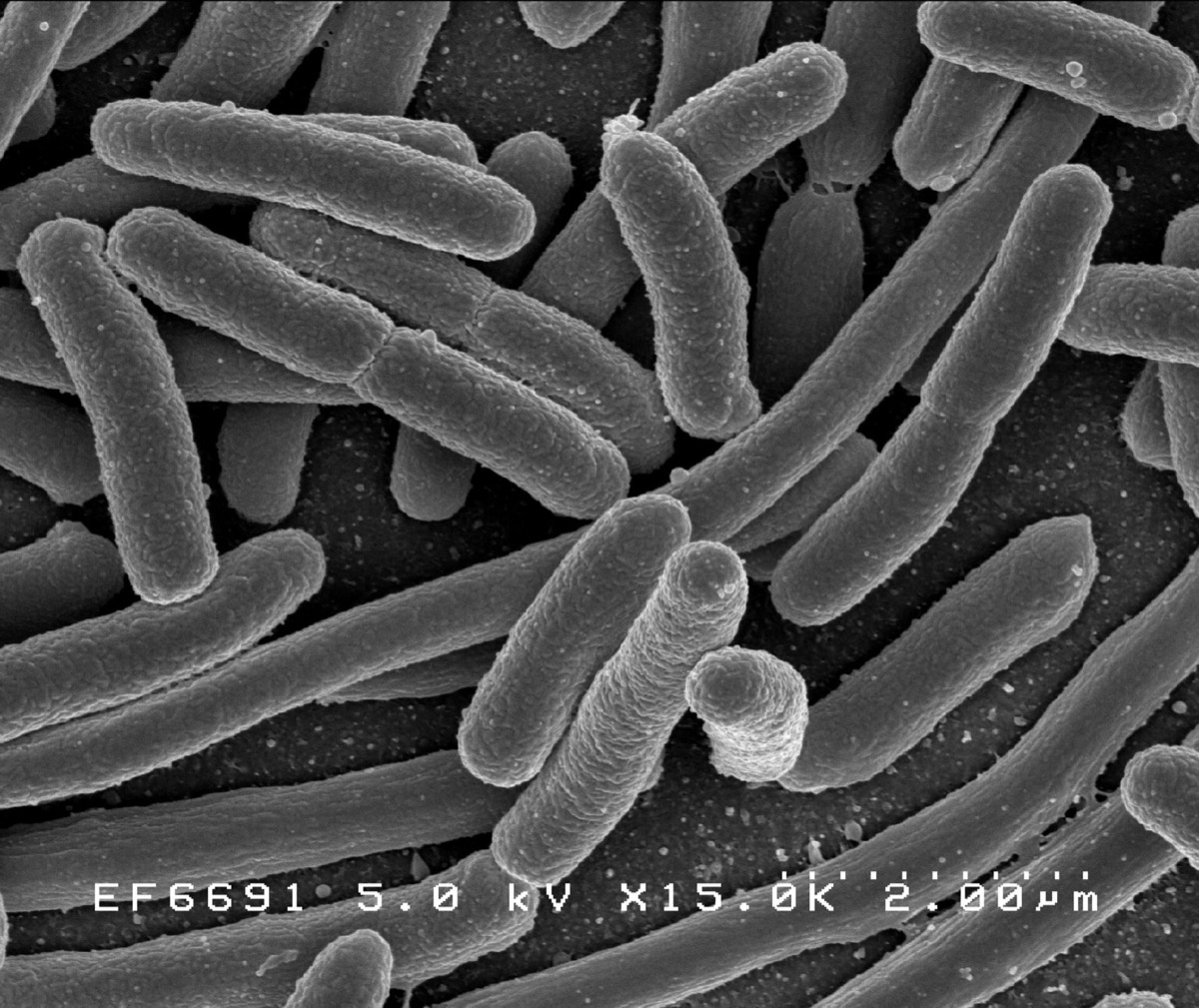 How many bacteria are there really in your body per human cell?microbiome
 What is the appendix actually for?microbiome