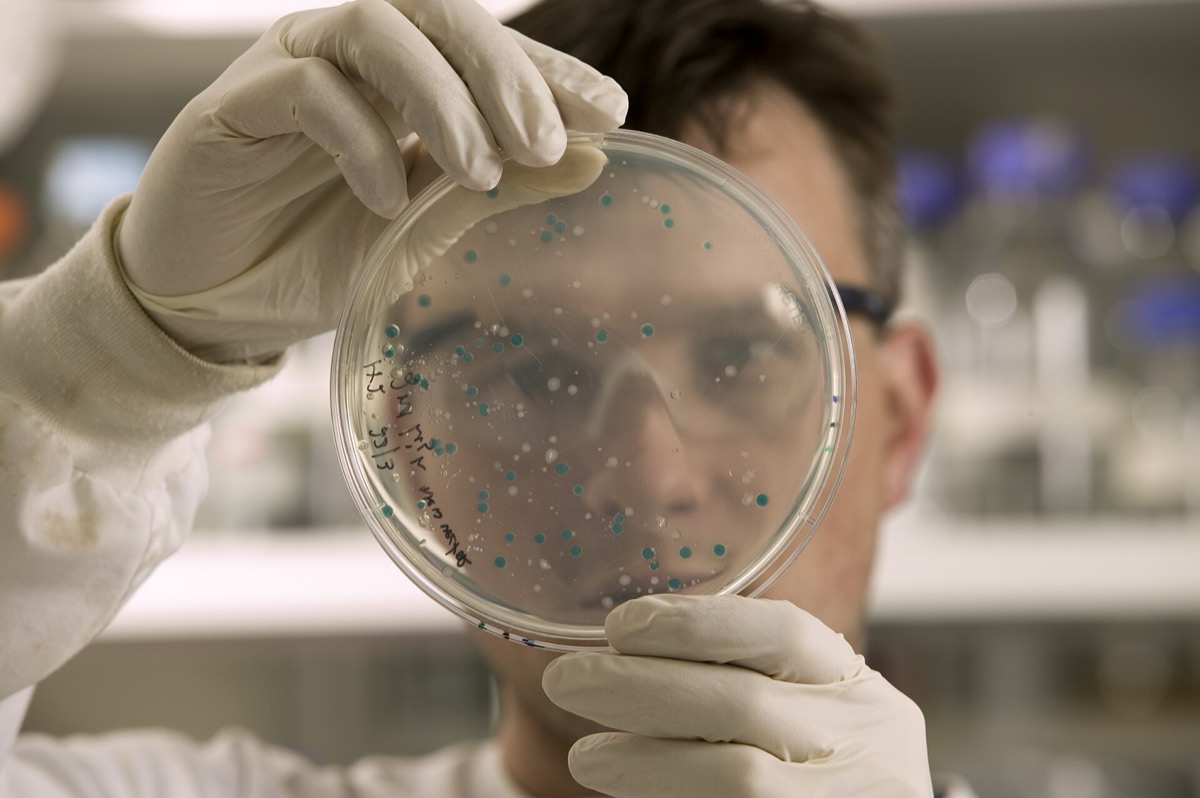
Trillions of bacteria live in the gut and make molecules that reach the bloodstream and the . To test whether any of that touches the brain, researchers raised mice in complete sterility, with no bacteria anywhere in the body. What happened to them?
Those mice responded differently to stress, releasing more stress hormone than ordinary ones. Transplanting bacteria from normal mice into them closed part of that gap, which is what turns a correlation into a cause. The animals also differ from ordinary mice in more than their bacteria, so the result holds for mice and does not travel further on its own.
To see why this is possible at all, start with the numbers. Trillions of bacteria live in the gut, carrying many times more genes than we do. They make small molecules that reach the bloodstream, including some that resemble neurotransmitters.
The difficulty is causation. Anxious people really do differ in gut bacteria, but anxiety changes diet, sleep and gut motility, so the arrow could point either way. Breaking that circle takes an intervention rather than an observation.
The extreme intervention is raising , with no bacteria at all. Those animals responded differently to stress and released differently. Then came the decisive part: transplanting bacteria from ordinary mice closed part of the gap.
That establishes cause, in a mouse. A sterile animal is not a state that exists in nature, and it differs from an ordinary mouse in far more than its bacteria. In people most findings along the remain correlational, and nothing shows that swapping bacteria changes mood. What it did do is open a field, and widen the argument about diet and antibiotics beyond digestion.
wat. Mice raised with no gut bacteria overreacted to stress, and transplanting bacteria into them brought part of that reaction back to normal.
wat wat
It opened a whole field on the gut-brain axis, and it explains why diet and antibiotics might reach further than digestion.
How do we know?
Germ-free mice compared against ordinary ones, then colonized and compared again, using standard behavioral tests and measured stress hormone levels.
What is still unknown
A sterile mouse is a state that does not exist in nature. In people most findings are correlational, and there is no evidence that swapping bacteria changes mood.
Learn something?
Where to next
What happens to a mouse raised with no gut bacteria at all?microbiome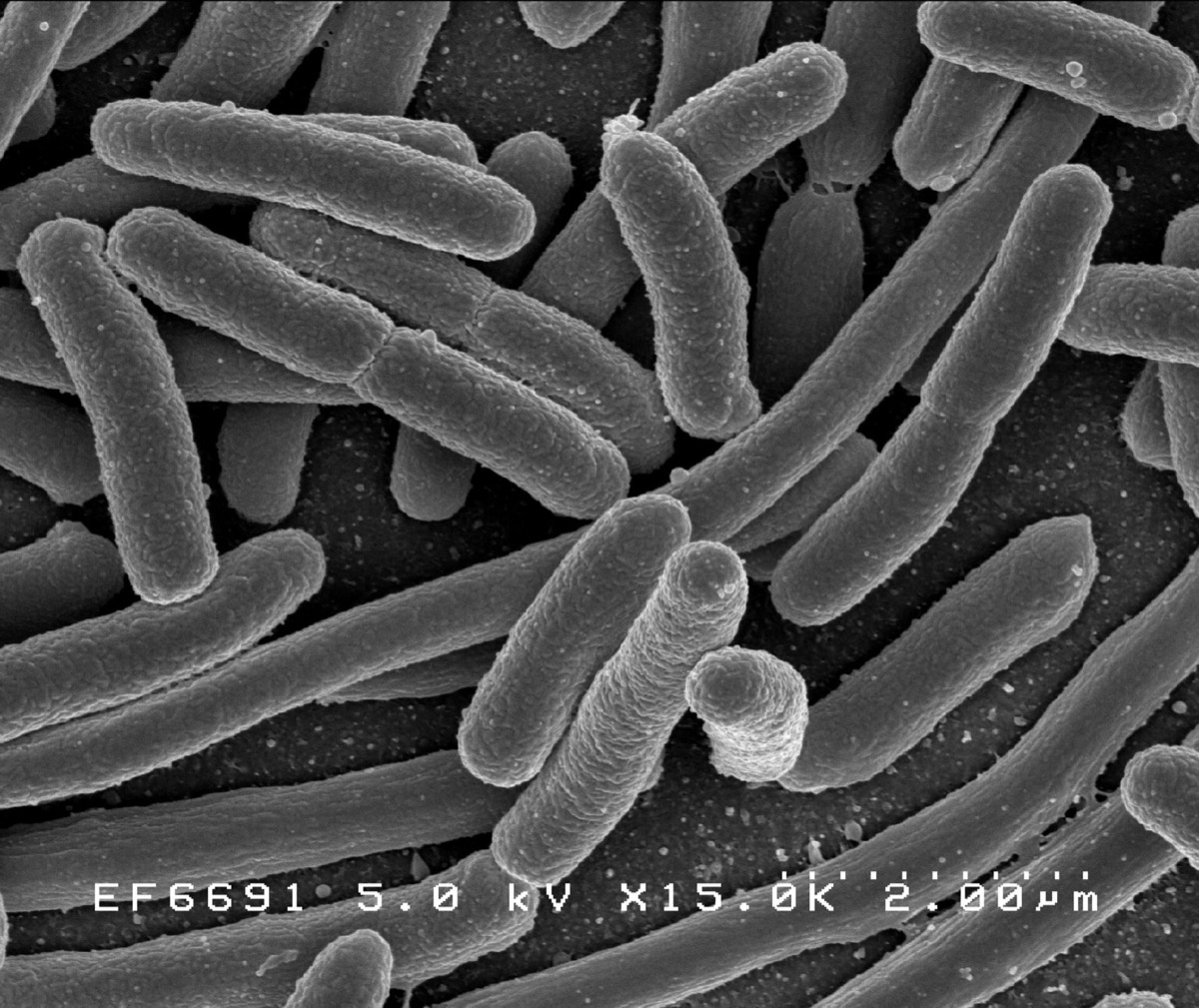 How many bacteria are there really in your body per human cell?microbiome
 What is the appendix actually for?microbiome