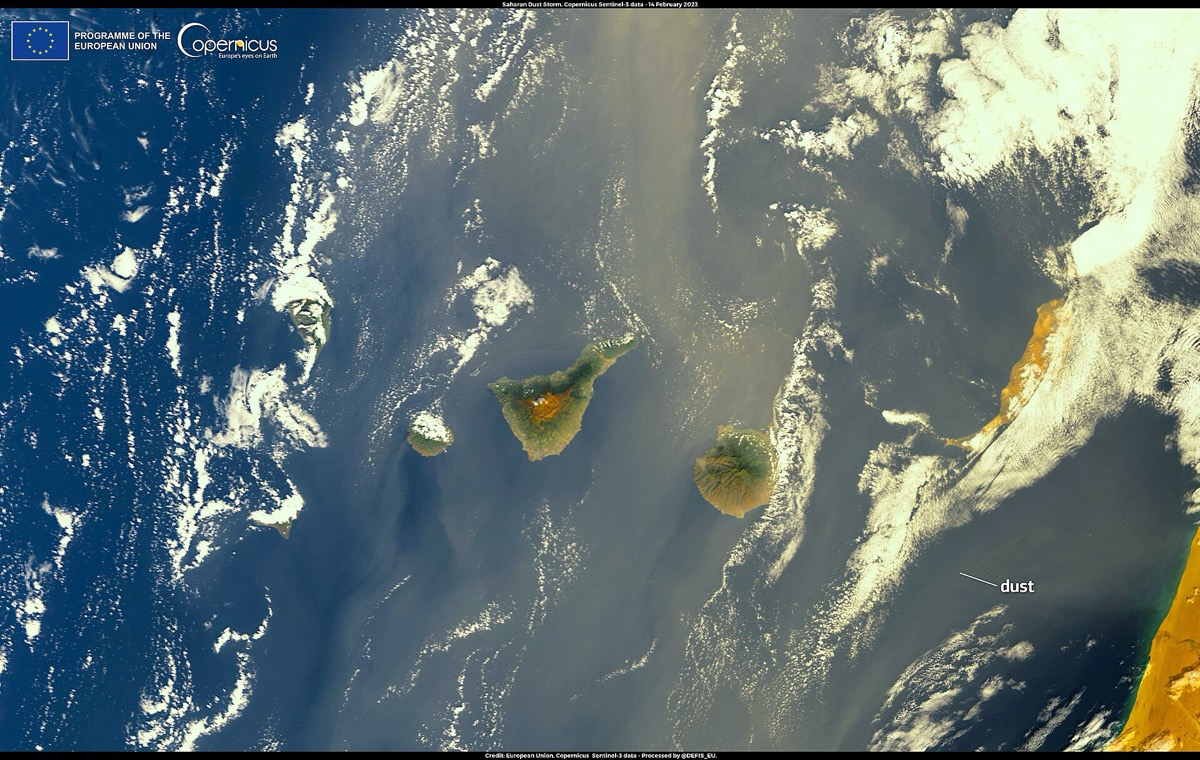
For some of its , yes. Amazon productivity is limited by nutrients, phosphorus in particular, and African dust crossing the Atlantic is a recognized but poorly quantified source of it. Yu and colleagues produced a first multiyear satellite estimate: about 28 million tonnes of dust deposited into the Amazon Basin each year.
Converted into the nutrient that matters, that dust delivers roughly 0.022 million tonnes of phosphorus a year, or about 23 grams of phosphorus per hectare per year. The deposition varies substantially between years, and the variation is negatively correlated with the previous year’s rainfall in the . A dry year upwind means more dust arriving afterward.
The Amazon rainforest is not limited by sunlight or water but by nutrients, and phosphorus in particular. Its soils are ancient and heavily weathered, so the phosphorus that was there has largely gone. Long-range transported African dust has long been recognized as a potentially important source, and just as long been poorly quantified.
Yu and colleagues produced the first multiyear satellite-based estimate. They used three-dimensional aerosol measurements from the lidar over 2007 to 2013, which resolves how dust is distributed with height rather than only how much sits in a column. The seven-year average of into the Amazon Basin comes out at 28 million tonnes a year, with a range from 8 to 48.
Two methodological details make this estimate better than the previous satellite attempt. One is a more realistic geographic definition of the Amazon Basin. The other is including transport across latitudes alongside the three-dimensional measurements. The result agrees more closely with in-situ measurements and model simulations than the earlier figure did.
Converted to the nutrient, the imported dust could provide about 0.022 million tonnes of phosphorus a year, which is roughly 23 grams per hectare per year. Deposition also varies substantially between years, and that variation is negatively correlated with the prior-year rainfall in the Sahel. Two cautions: every figure here carries a wide range, and seven years is a short record for describing year-to-year variability.
wat. Some of the phosphorus feeding the Amazon spent last year as Saharan dust.
wat wat
It links two places that have nothing else to do with each other. A rainforest’s nutrient budget turns partly on how dry the Sahel was the year before.
How do we know?
Three-dimensional aerosol measurements from the CALIOP lidar, over the years 2007 to 2013, were used to estimate dust deposition into the Amazon Basin, including transport across latitudes as well as vertical structure.
What is still unknown
Satellite-derived estimates with wide ranges: the dust figure spans 8 to 48 million tonnes a year and the phosphorus 0.006 to 0.037. Seven years is also short for characterizing interannual variation.
Learn something?
Where to next
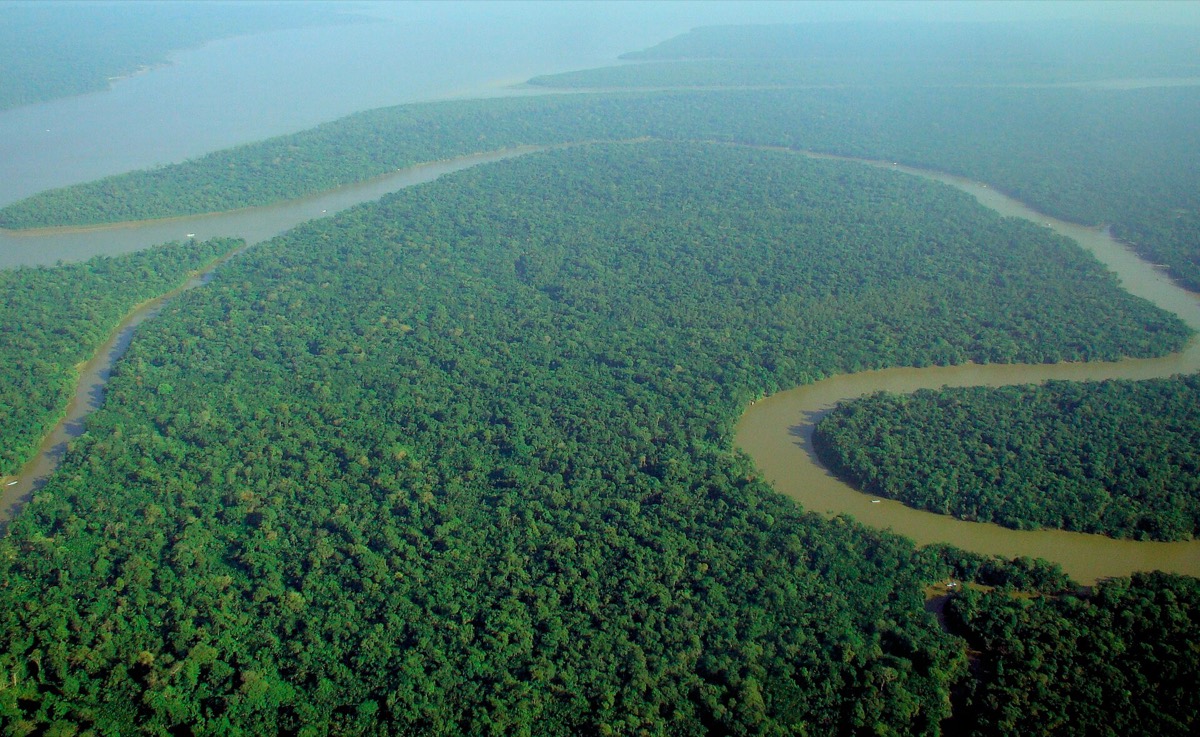 Does the Amazon still absorb more carbon than it releases?rainforest
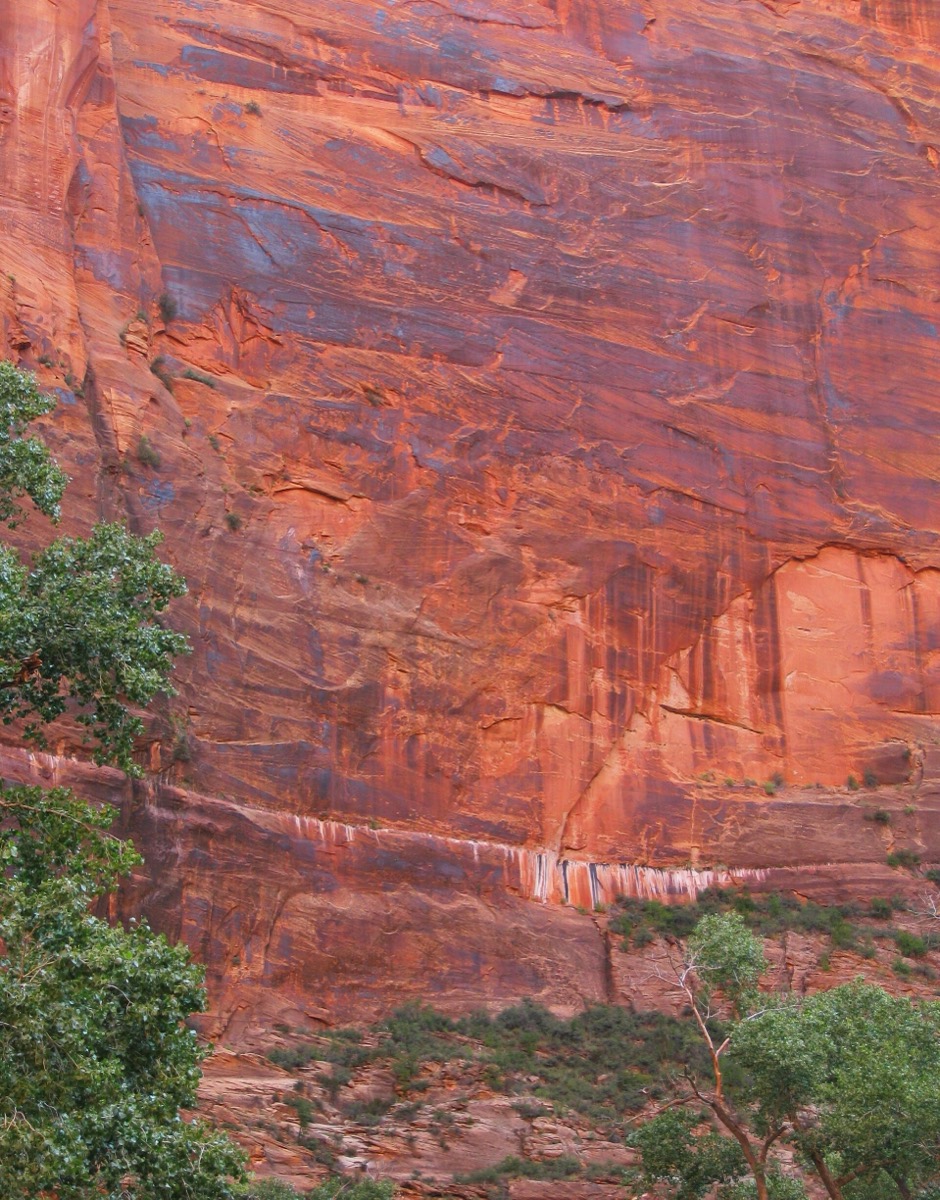 Is the dark stain on desert rock actually a sedimentary rock?dust
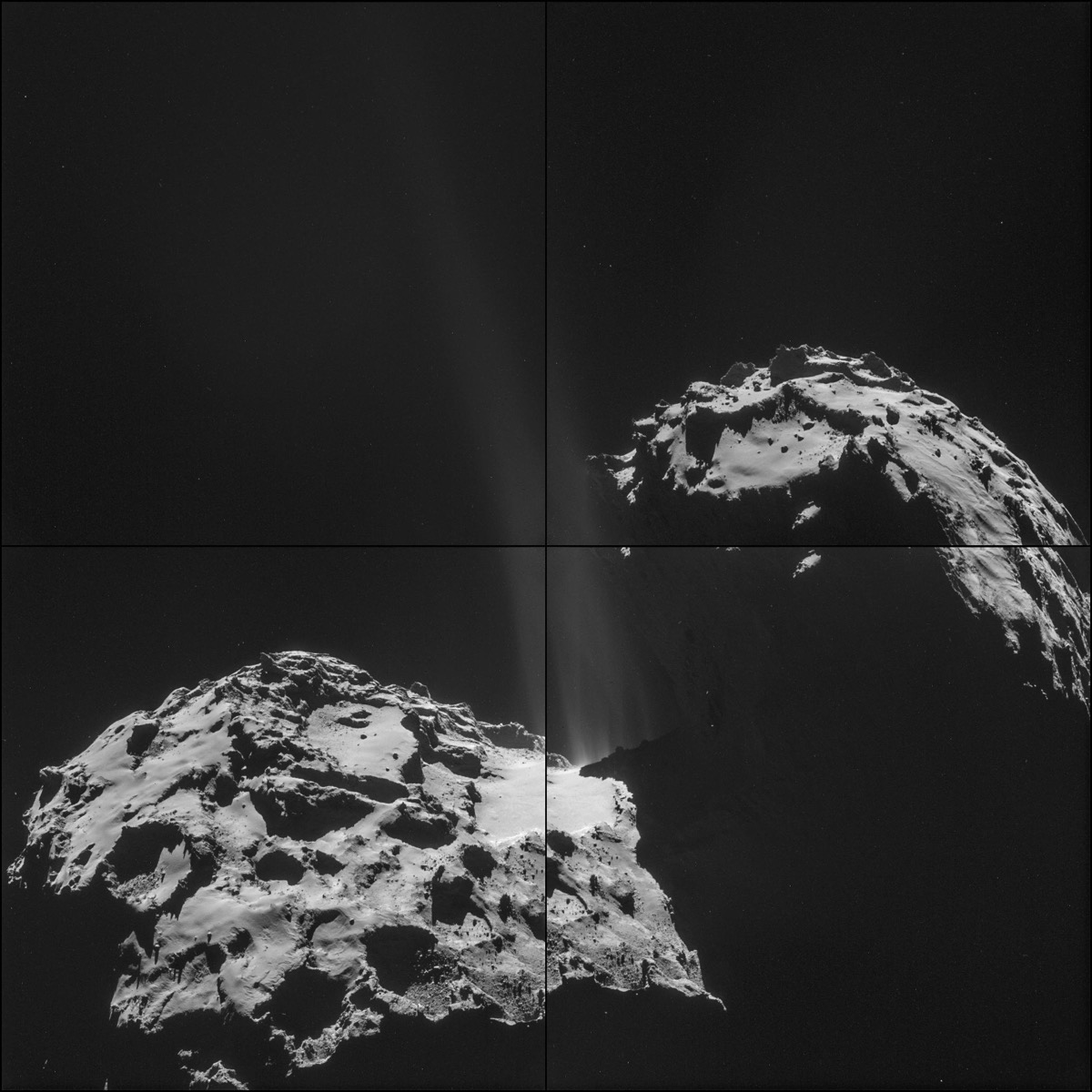 What actually flies off a comet when the sun warms it?dust