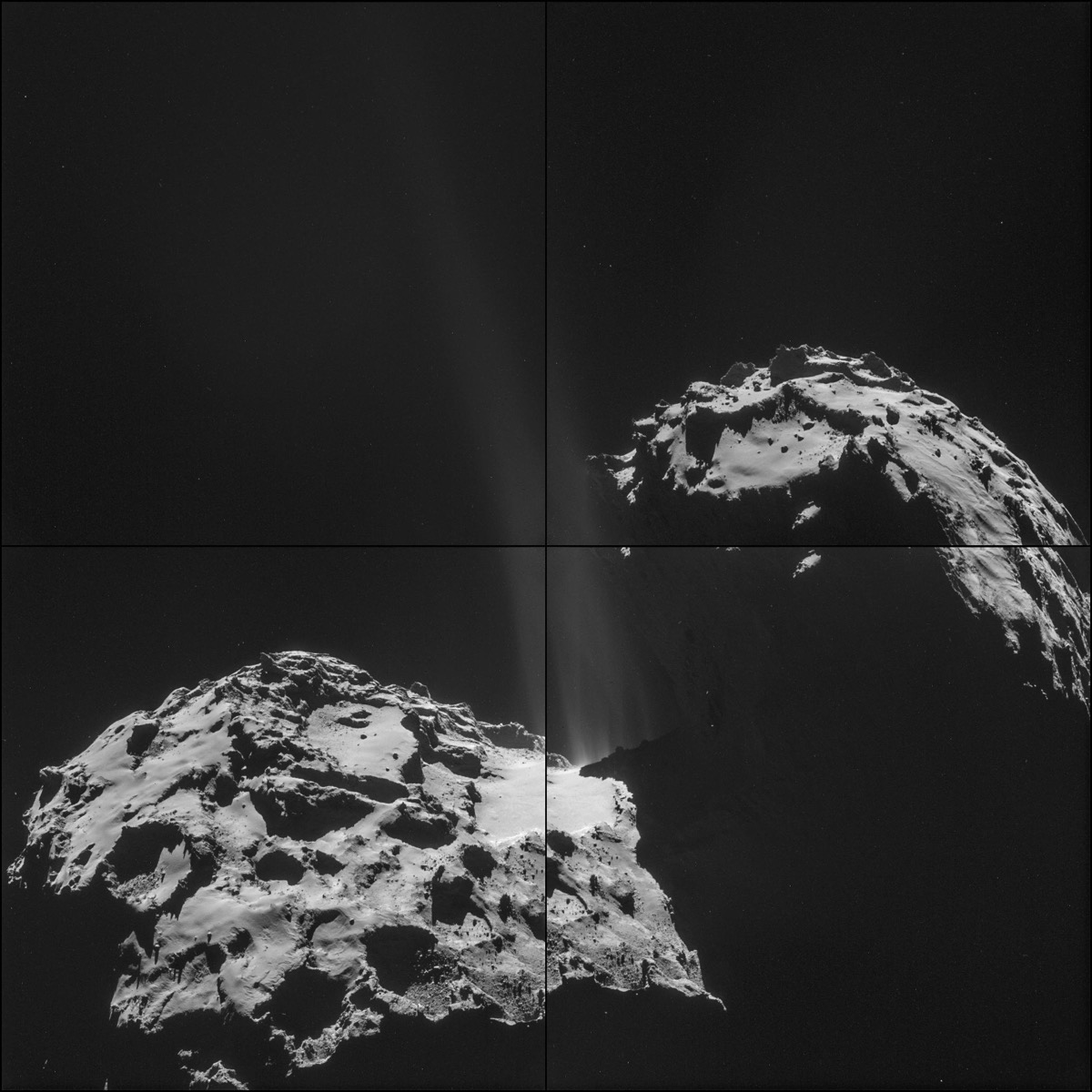
A comet is sometimes described as a dirty snowball, as though it were mostly ice with a little dust in it. The spacecraft stayed with comet 67P as it approached the sun, and measured the dust and the gas leaving it separately. What is the real ratio?
Four parts dust to one of gas, which inverts the snowball. was about four units of dust mass for every unit of gas, with large uncertainty. Around the nucleus there were also , up to about a meter across, left in orbit from an earlier passage. So this is a lump of dust held together by ice that evaporates out of it.
A comet is sometimes described as a dirty snowball, as though it were mostly ice with a little dust in it. The measurement is the other way round.
A spacecraft that accompanied a comet along its orbit, instead of flying past it, measured departing dust grains and gas separately as it drew closer to the sun. That escort is what makes it possible to measure what leaves the nucleus rather than to watch a tail from far away.
The average ratio was about four units of dust mass for every unit of gas, with large uncertainty. Which is to say this is a lump of dust held together by ice that evaporates out of it.
Around the nucleus there were also lumps up to a meter across, too heavy to escape and too light to fall, left in orbit from an earlier passage. A comet’s composition preserves information about , because it never melted. Rosetta took the ratio at one stage in the orbit of one comet, and it varies with the surface region and the distance from the sun.
wat. Rosetta found roughly four kilograms of dust for every kilogram of gas around 67P.
wat wat
The composition of a comet preserves information about the material the planets were built from 4.5 billion years ago.
How do we know?
Rosetta’s instruments counted and weighed departing grains and combined those measurements with the quantity of gas around the nucleus.
What is still unknown
Rosetta took the ratio at one stage in the orbit of one comet, and it varies with the surface region and the distance from the sun.
Learn something?
Where to next
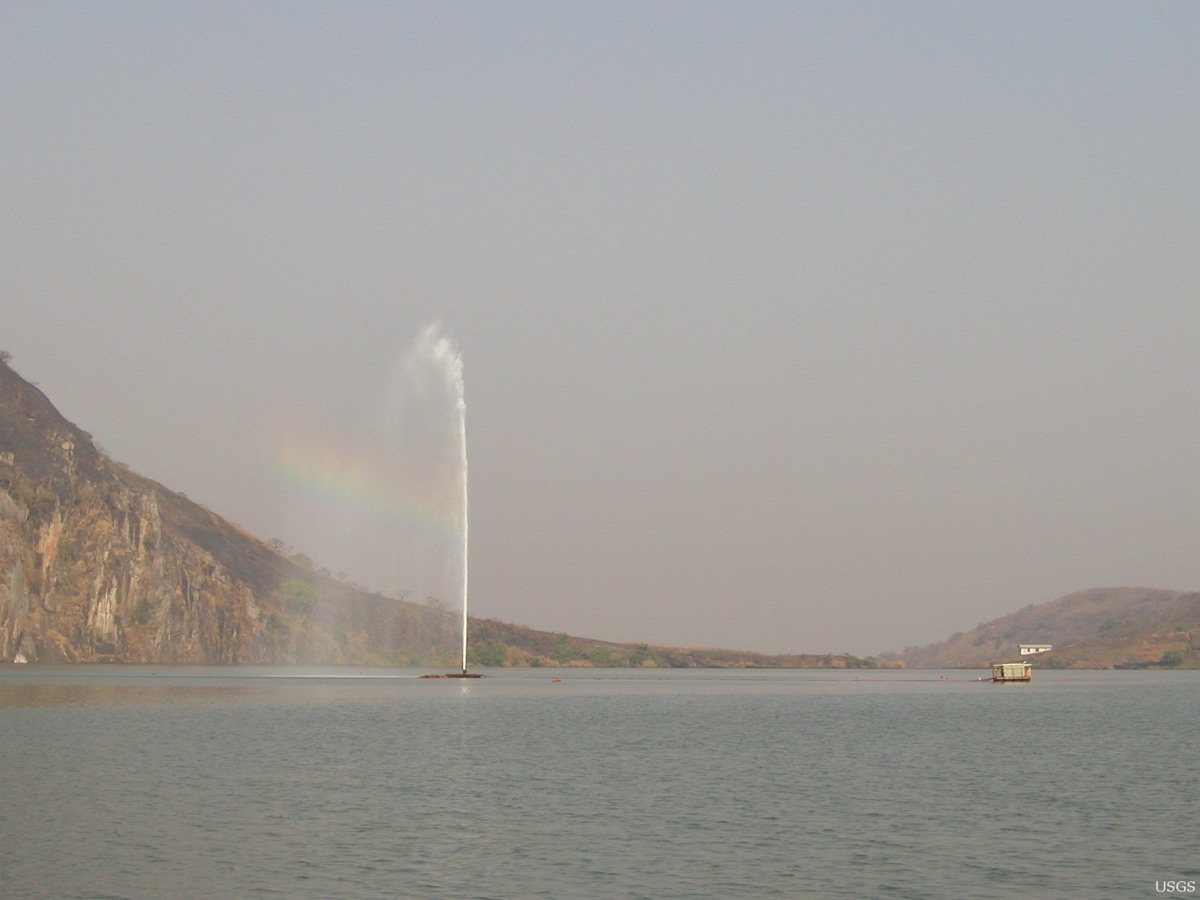 How did a quiet lake release a lethal cloud in a single night?gas
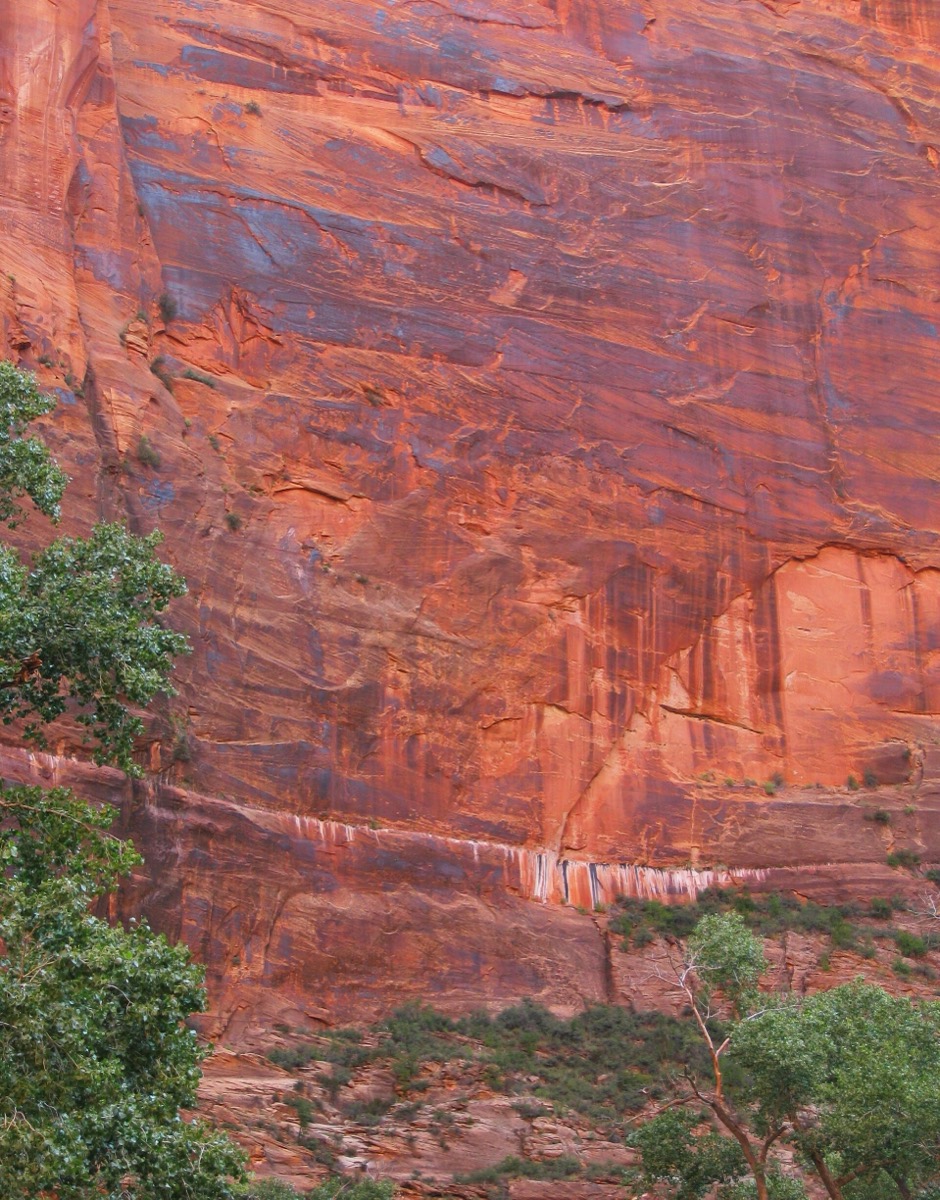 Is the dark stain on desert rock actually a sedimentary rock?dust
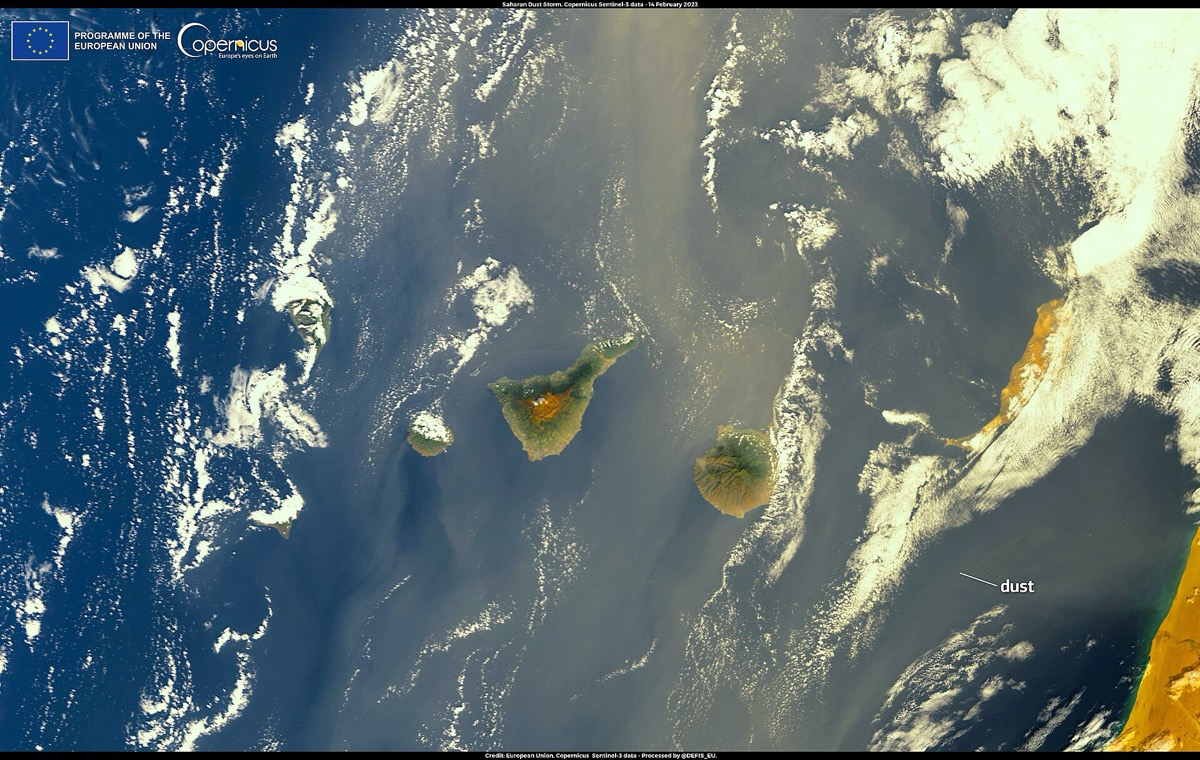 Does the Amazon depend on dust blown from Africa?dust