left particles of lead in piling up in the harbour of Naples, and in them carry a signature that distinguishes one source of lead from another. Which means the mud kept a chronological record. What can be read in it?
A repair, dated to the year. Isotopes are versions of the same element at different weights, and the ratio does not change when metal is melted, so replacing pipes leaves a new signature. The sequence showed a complete change after , which fits a refit of the supply system damaged by it. Centuries later the growth stopped, and essential repairs continued even after invasions and eruptions.
Roman water pipes were made of lead, and wear on them released particles that ended up in the harbour and settled into the mud.
A harbour works as a trap: the water calms and the particles pile into layers that do not mix, so each layer can be dated and a sequence of centuries read off.
What makes the mud legible is that lead from different sources carries a different ratio between its versions, and the ratio survives melting. Replacing pipes therefore leaves a new signature.
In the sequence a complete change appears after the eruption of Vesuvius in 79, a date known to the year, and it fits a refit of the supply system damaged by it. Centuries later the growth stopped, and essential repairs continued even after invasions and eruptions. The signature reports changes to infrastructure, and does not measure how much lead the residents drank or what it did to their health.
wat. The mud in the harbour of Naples kept the lead signature of an aqueduct refit after the eruption of Vesuvius.
wat wat
Infrastructure that has vanished from the streets can leave an exact chemical diary on a harbour floor.
How do we know?
The researchers measured lead isotopes in dated layers of sediment from the harbour of Naples across six hundred years.
What is still unknown
The signature reports changes to infrastructure, and does not directly measure how much lead the residents drank or what it did to their health.
Learn something?
Where to next
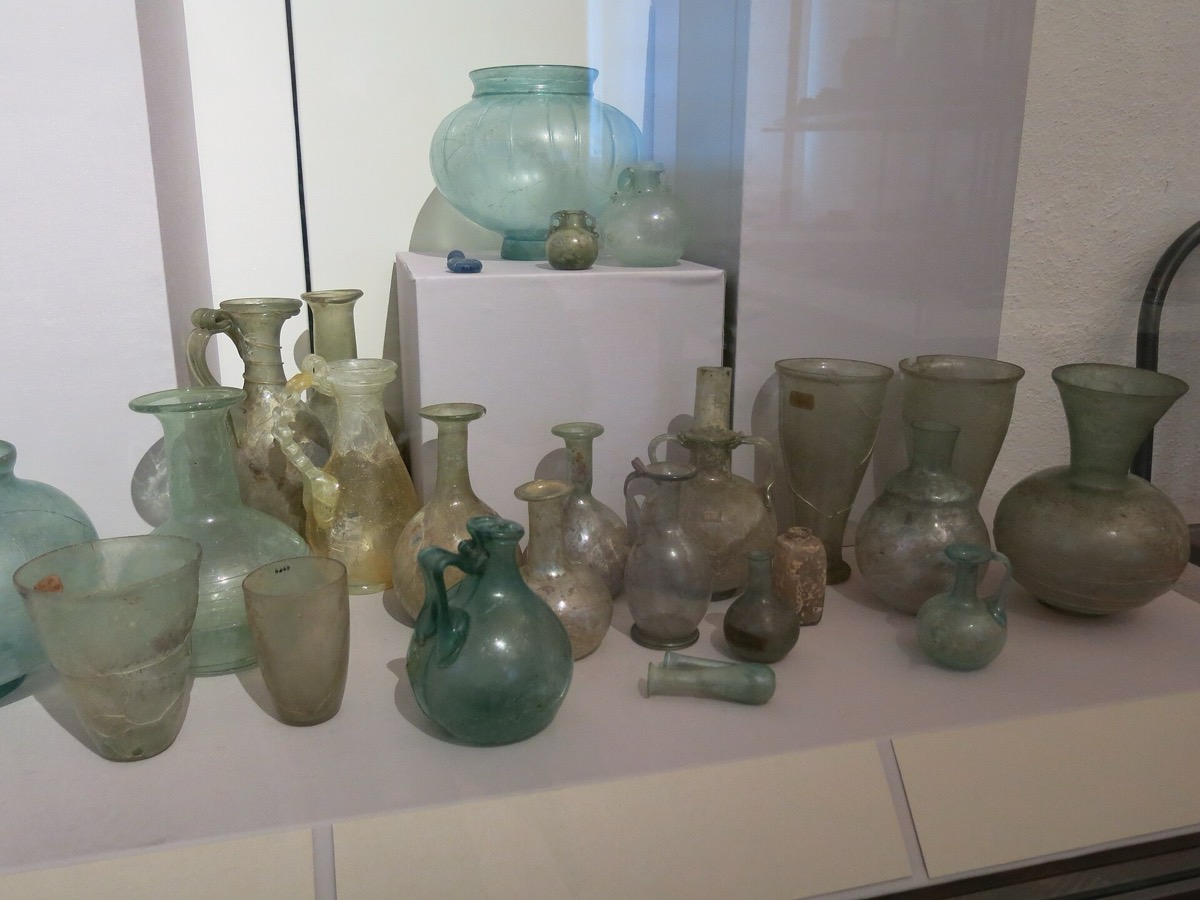 How can shards of Roman glass hint at ancient recycling?Rome
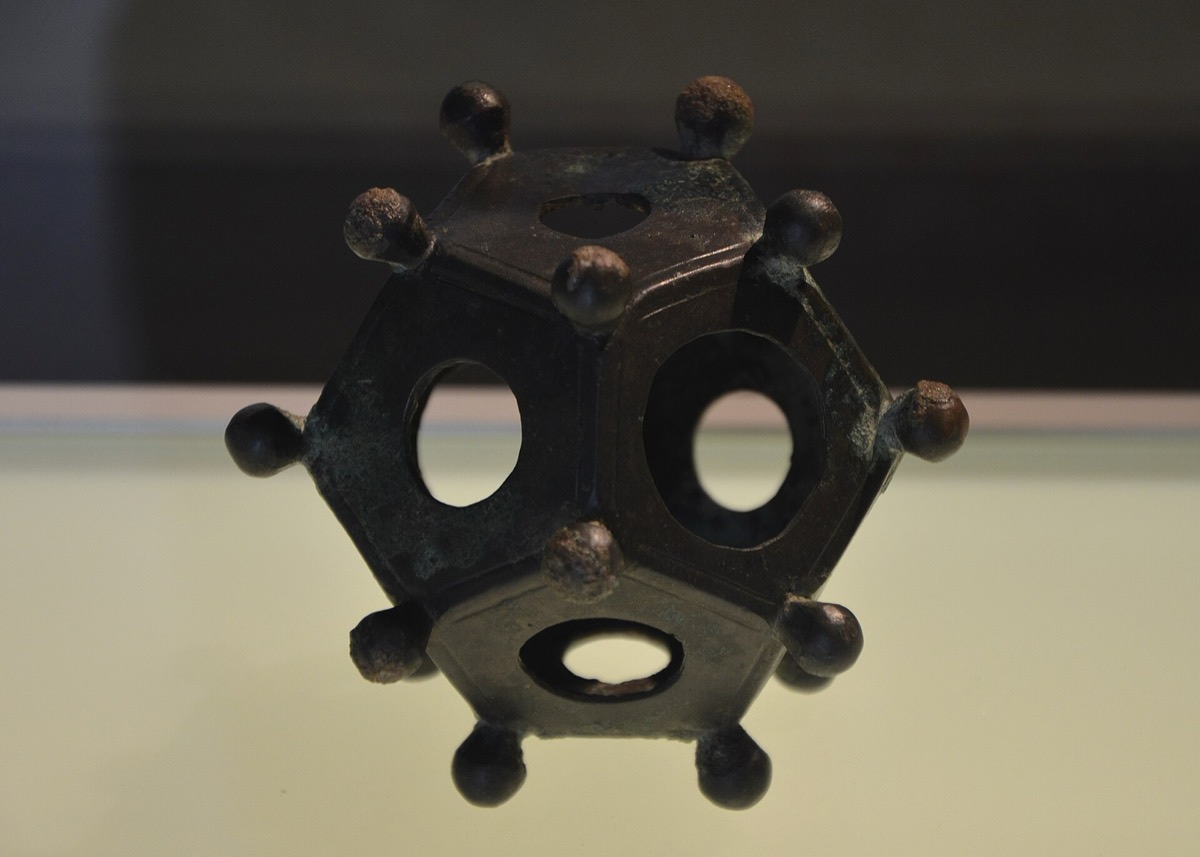 What was the Roman twelve-sided bronze object for?Rome