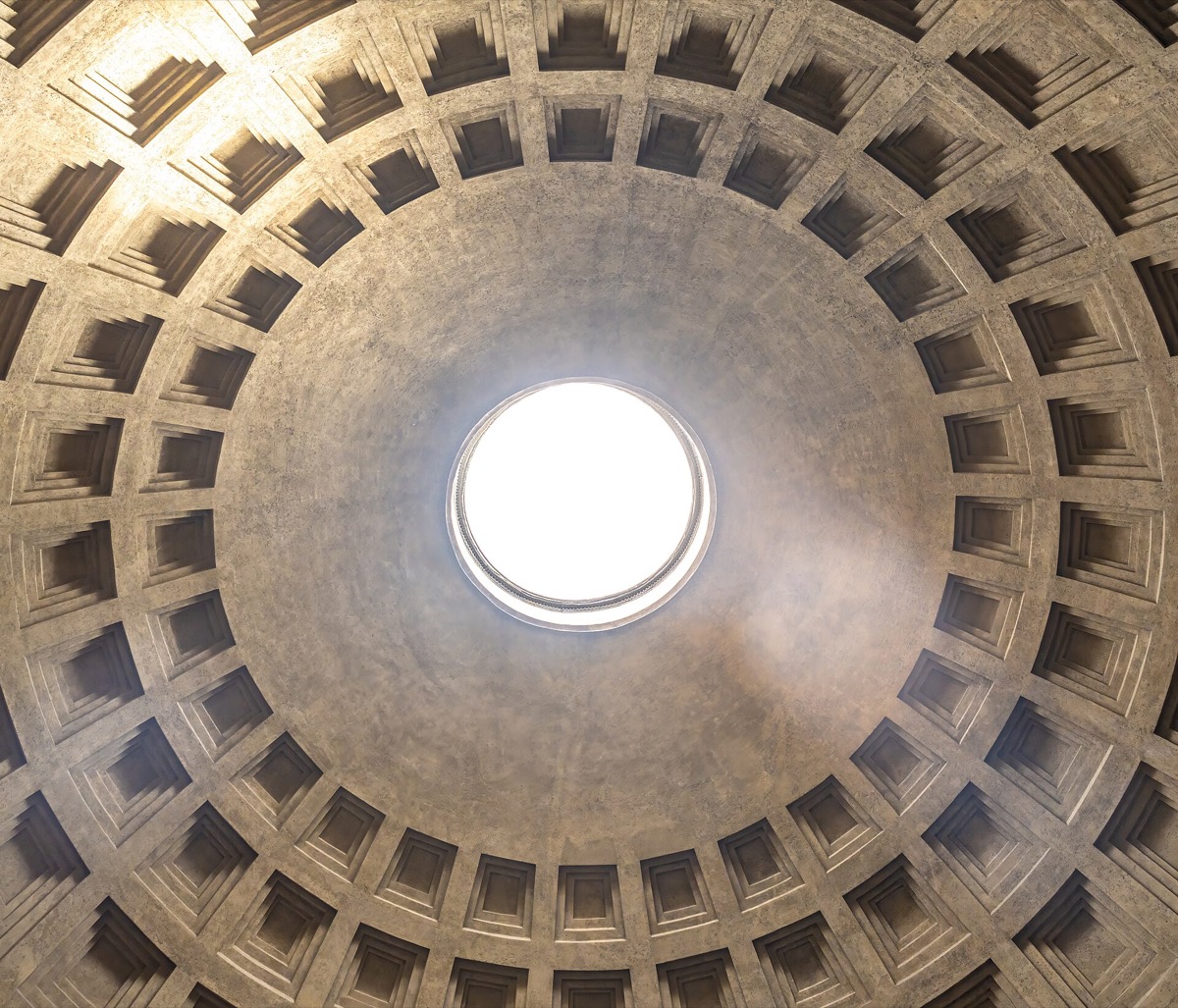
Roman concrete is scattered with small white lumps of unreacted lime, and for years they were taken as evidence of careless mixing. Except that this is the concrete that lasted two thousand years, lumps and all. So what are they doing?
Patching cracks. A 2023 study showed the Romans used , adding quicklime directly to volcanic ash and water at high temperature, which deliberately leaves reactive lumps behind. When a crack reaches one, water that seeped in dissolves calcium out of it, and the solution recrystallizes inside the crack and seals it before it can widen. , with no outside intervention at all.
The fact that opens the story is familiar: Roman structures like the Pantheon and harbour moles stand after two thousand years, while modern concrete needs repair within decades. The accepted explanation focused on the volcanic ash the Romans added to the mix.
Alongside the ash there was always a detail that looked like a flaw: small white lumps of unreacted lime, scattered through the concrete. For decades they were read as evidence of careless mixing or of poor raw material.
The 2023 study inverted that reading. The Romans mixed by a method called hot mixing, adding quicklime directly so the mix heats up sharply, and deliberately leaving lumps still able to react. When a crack reaches one, water that seeped in dissolves calcium out of it, and the solution recrystallizes inside the crack and seals it.
Rather than rest on interpretation, the team made modern concrete with the same , cracked it, and showed the crack closing. The significance is practical: making cement accounts for a substantial share of global carbon emissions, and concrete that lasts longer reduces how much has to be made. And the stands: nobody knows how many Roman structures collapsed and never reached us.
wat. The white lumps taken for careless mixing are exactly what seals the cracks.
wat wat
Making cement accounts for a substantial share of global carbon emissions. Concrete that lasts longer because it heals itself means less cement has to be made.
How do we know?
A team from MIT and Harvard analyzed ancient Roman concrete at the level of its microstructure, then made modern concrete with the same lime lumps and showed cracks closing in it.
What is still unknown
The durability of the Roman buildings that survive is subject to survivorship bias. Nobody knows how many Roman structures collapsed and never reached us.
Learn something?
Where to next
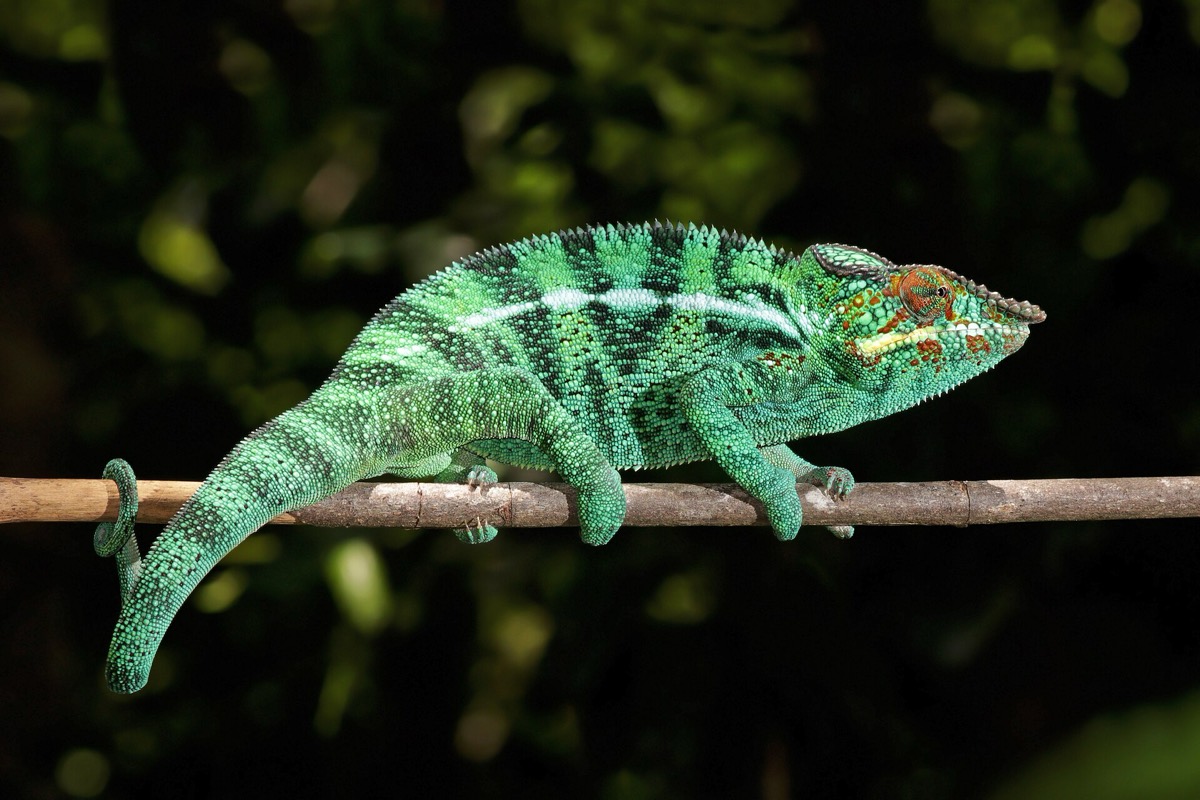 How does a chameleon change color without making any new pigment?materials
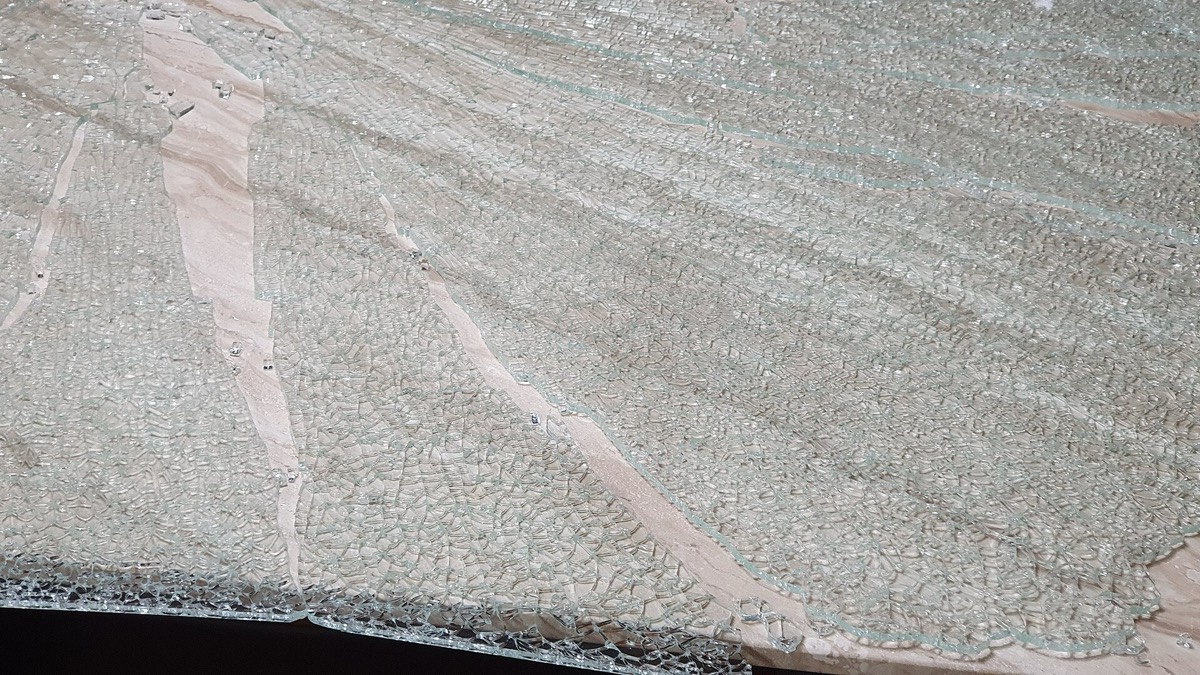 Why does a toughened window crumble into thousands of small pieces instead of long blades?materials
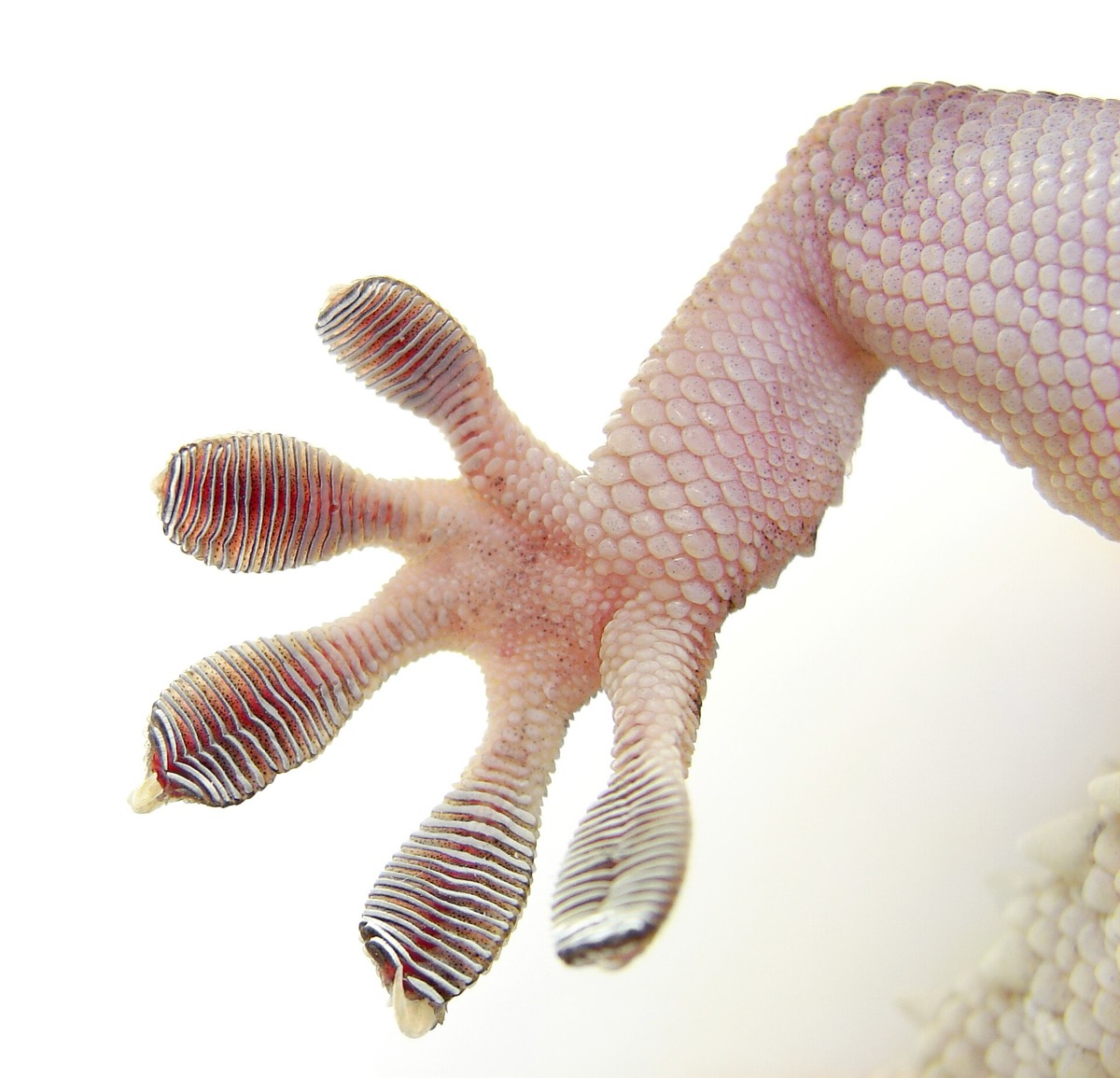 A gecko runs across a smooth ceiling with no glue. What holds each step?materials