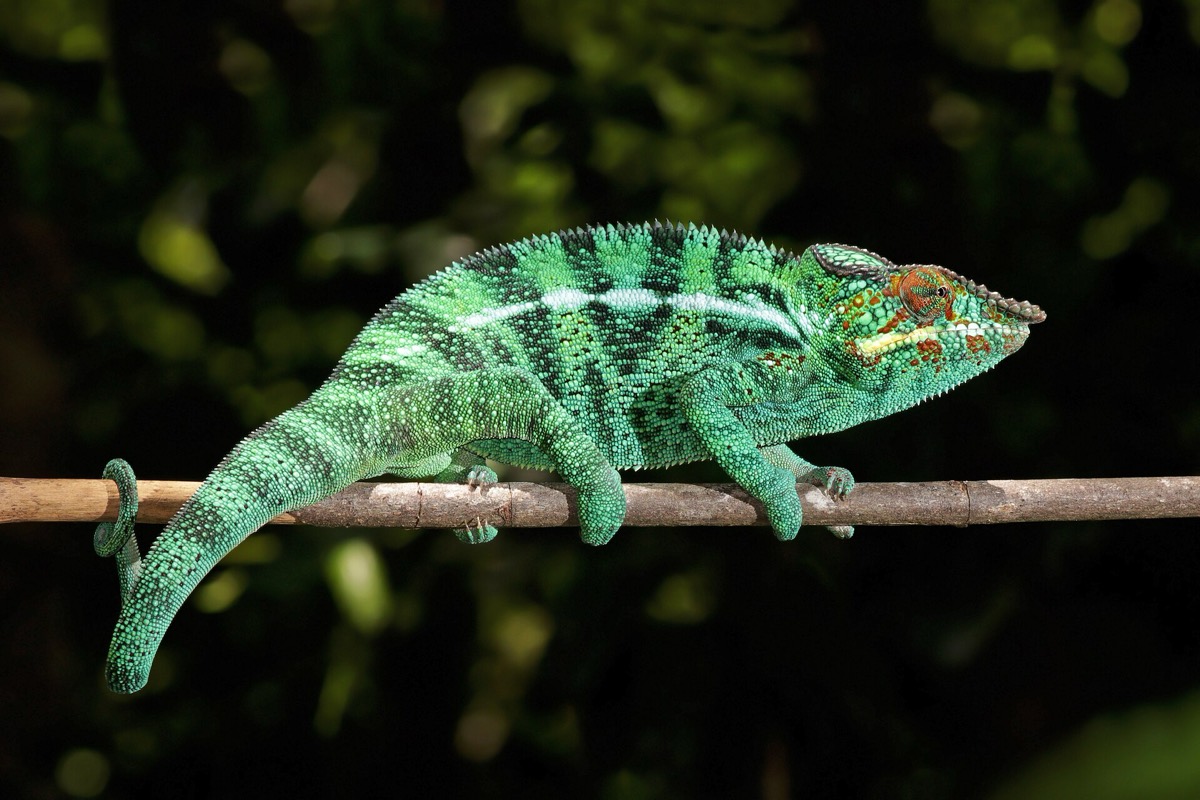
The standing assumption was that a chameleon changes color by moving pigments around in its skin. To check it, researchers photographed the skin under an electron microscope and measured the spacing of the crystals inside it while the animal was changing color. What did they see there?
A layer of cells holding an ordered lattice of nanometer crystals, and no pigment-shuffling mechanism. When the cell is stretched or relaxed the distance between the crystals changes, and with it the of light that comes back. The color comes from a physical structure and not from any coloring substance. It is the same effect that gives butterfly wings and peacock feathers their shine.
The familiar explanation is pigments moving around inside the cell, and it is partly right. A chameleon does have pigment layers, and they account for some of the tones, mostly the yellows and the dark ones. But the fast, dramatic change, green to yellow within seconds, came from somewhere else: .
The skin holds a layer of cells containing an ordered of tiny crystals. Light striking the lattice is reflected off several surfaces at once, and at one particular wavelength those reflections reinforce each other. Which wavelength depends only on the gap between the crystals.
And here is the trick: the cell can stretch or relax the lattice. A smaller gap pushes the color toward blue, and a larger one moves it toward yellow and red. The chameleon is not making a new color but tuning a distance, which is also why it can do it fast: nothing is manufactured, only moved. And what it mostly does with that speed is , not hiding.
The test itself combined two extremes: an electron microscope for the lattice spacings, and real-time measurement of the reflected color on living animals as they changed state. One precision is owed: the mechanism was described in a particular species, and different chameleons mix structure and pigment in different proportions. That same effect, incidentally, is what gives butterfly wings and peacock feathers their shine.
wat. Stretching the cell pushes the crystals further apart, and that is what moves the reflected color somewhere else.
wat wat
Structural color never fades and needs no pigment, which is why materials engineers are trying to copy it for displays and color-changing coatings.
How do we know?
An electron microscope gave the lattice spacing, and the team measured the reflected color on living animals as they shifted state.
What is still unknown
The mechanism was described in one particular species, and different chameleons mix structural color with pigments in different proportions.
Learn something?
Where to next
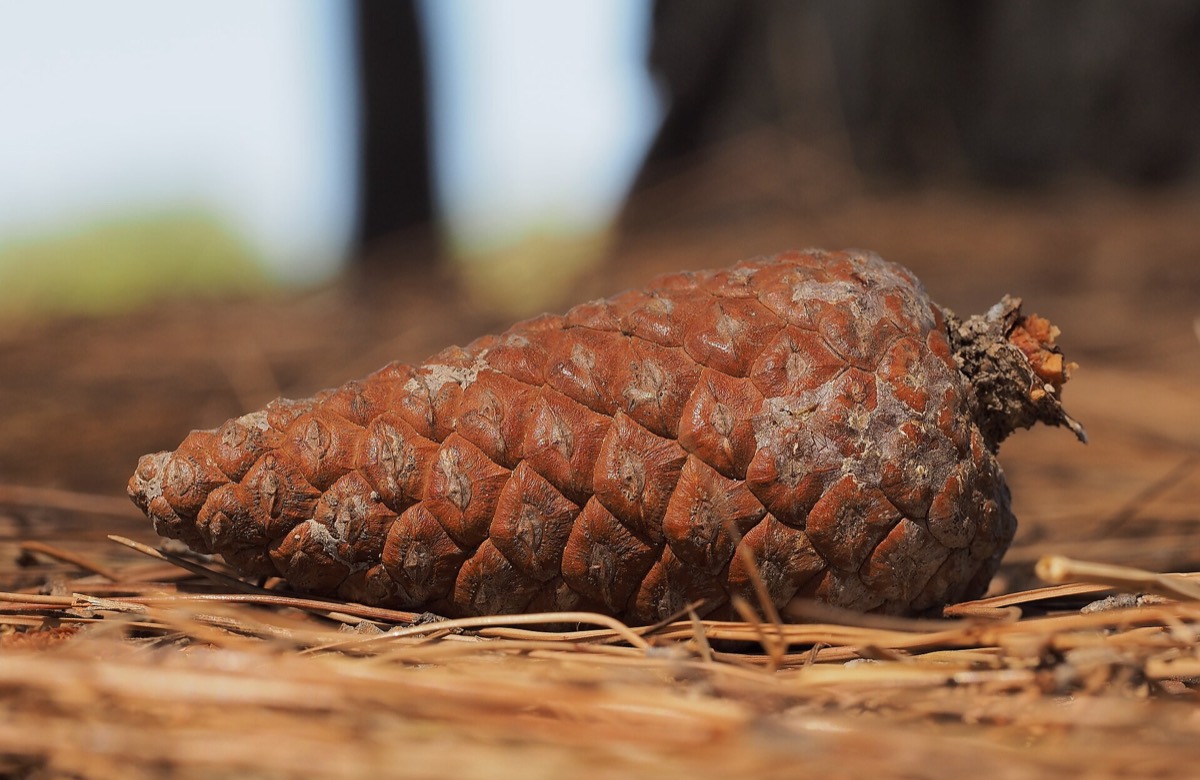 What opens the scales of a pine cone that has been dead for years?materials
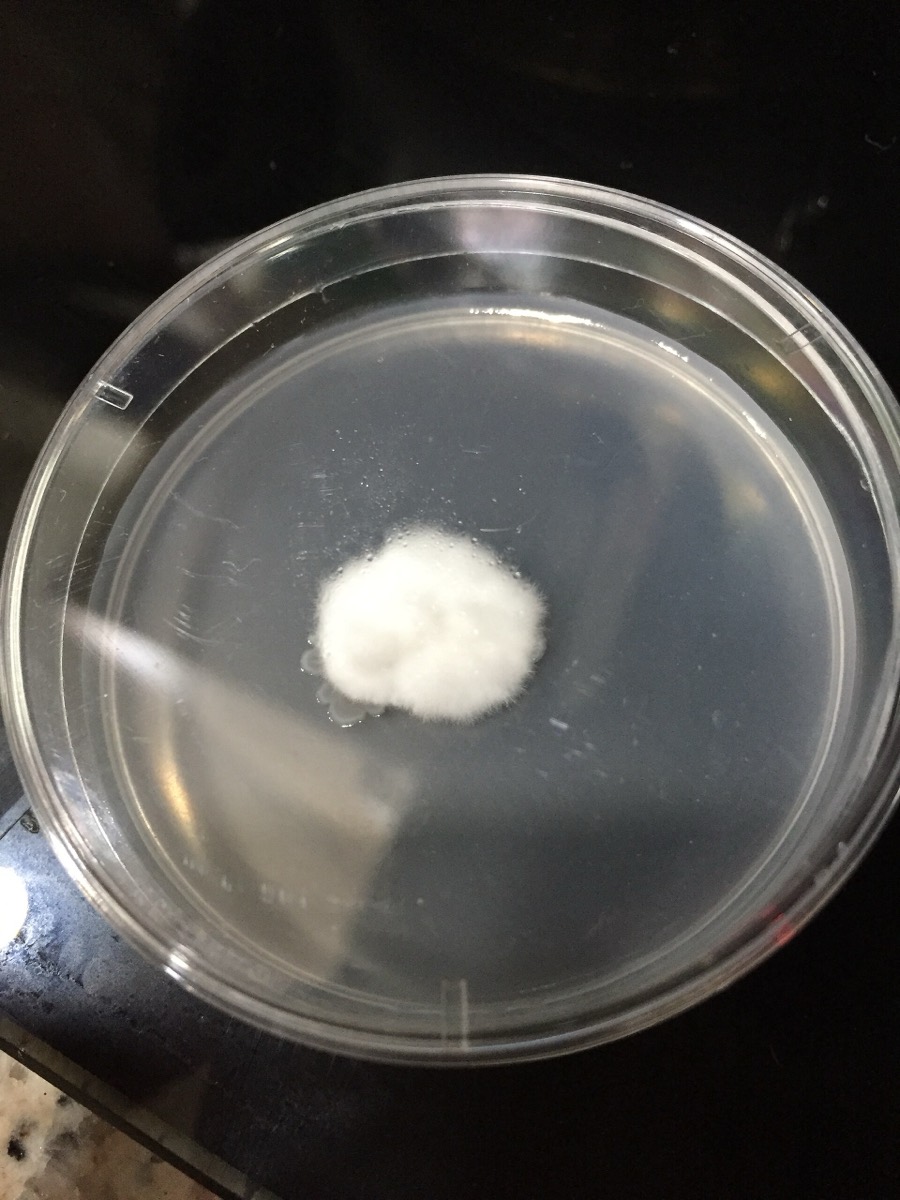 Could a building panel tell you it is damp?materials
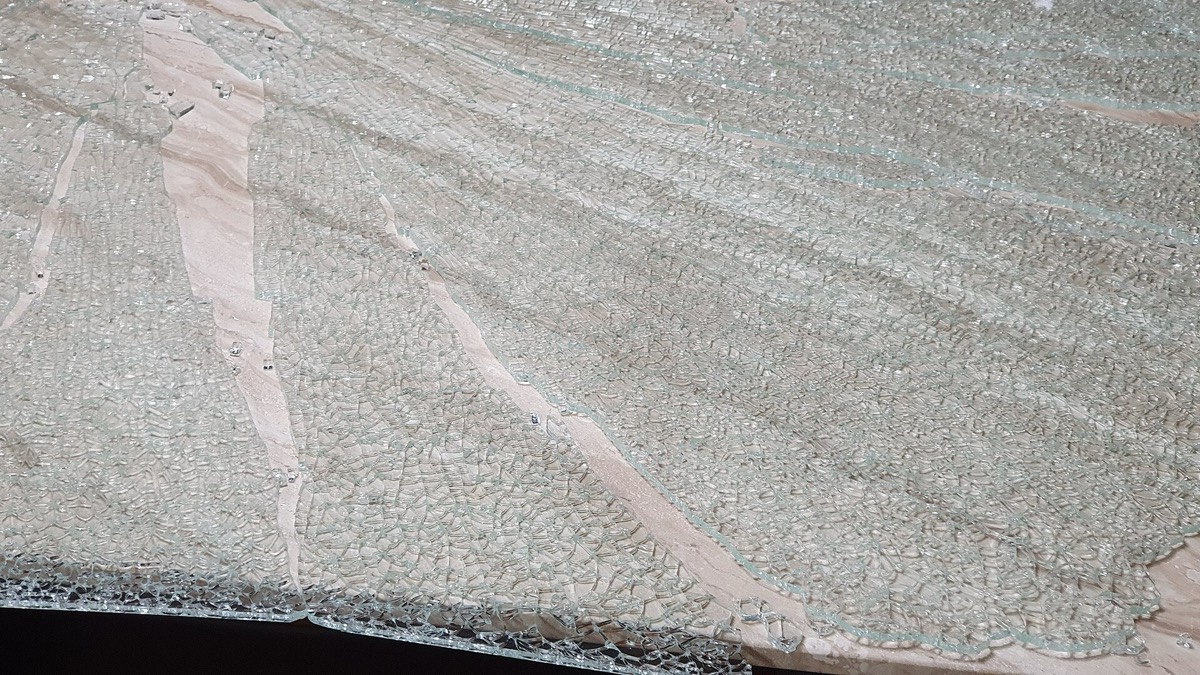 Why does a toughened window crumble into thousands of small pieces instead of long blades?materials