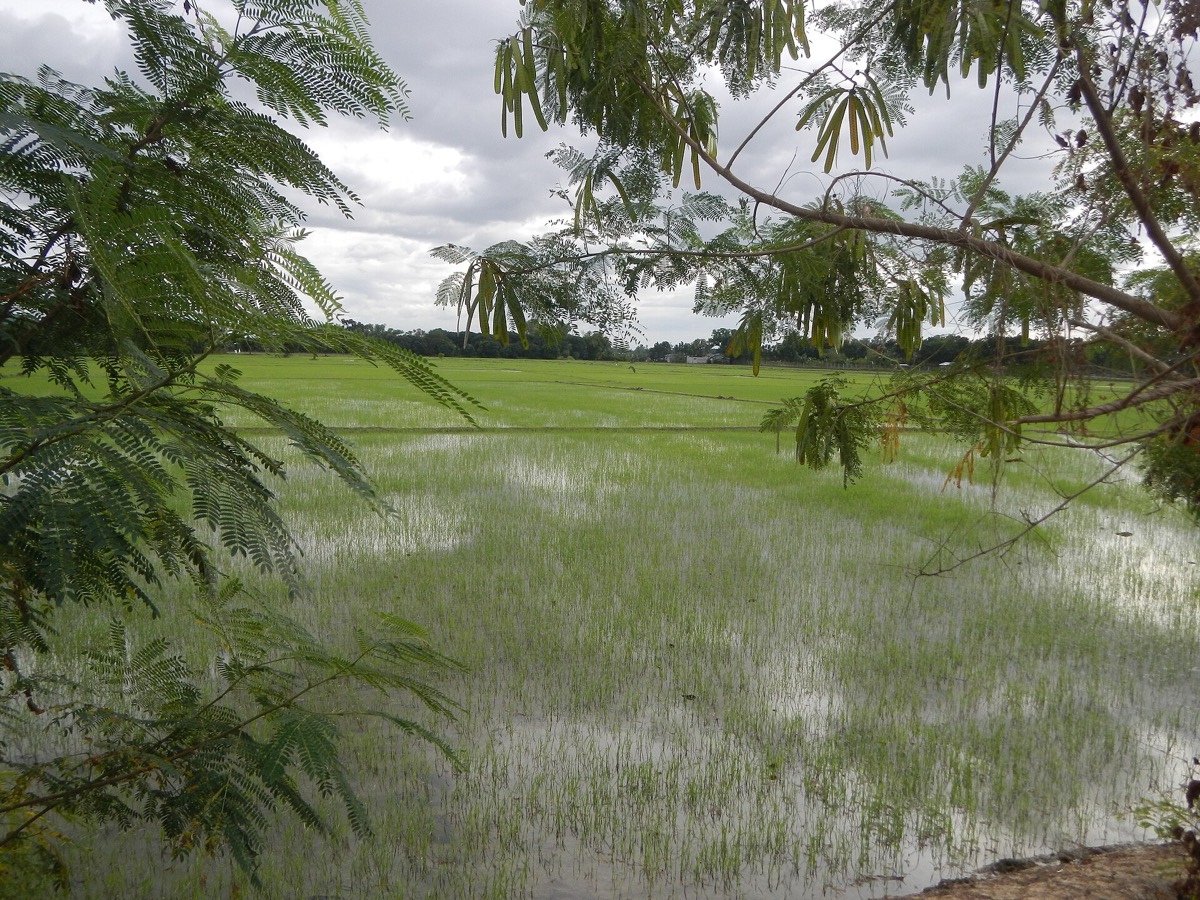
Rice systems provide a major source of calories for more than half of the world’s population, and they use more water than other major crops. Letting the soil go unsaturated during the season would cut that. Fear of losing yield is a large part of why farmers have not adopted it.
Only if the drying stays . Across 56 studies with 528 side-by-side comparisons, cut yields by 5.4 percent overall. Under mild drying, yields were not significantly reduced in most circumstances while water use fell 23.4 percent; under drying, yield losses reached 22.6 percent.
Rice systems provide a major source of calories for more than half of the world’s population, and they also use more water than other major crops. Alternate wetting and drying can reduce those water inputs, yet it has not been widely adopted, in part because of the potential for reduced yields.
The meta-analysis had two aims. One was to quantify the effect of the practice on rice yields and water use. The other was to identify the soil properties and management practices that favor yield while keeping water use low relative to .
The evidence base is substantial. The authors analyzed 56 studies with 528 side-by-side comparisons of alternate wetting and drying against a continuously flooded control, which is enough to split the results by how severely the soil was allowed to dry.
That split carries the answer. Overall yields fell by 5.4 percent, but under mild drying they were not significantly reduced in most circumstances, while water use dropped 23.4 percent. Severe drying cost 22.6 percent of yield, most sharply in soils with pH at or above 7 or carbon below 1 percent.
wat. Dry the field a little and the water bill falls; dry it a lot and the crop does.
wat wat
A quarter of the water for no measurable yield penalty is a rare trade, and the line between mild and severe is where it lives.
How do we know?
Carrijo and colleagues meta-analyzed paired comparisons of alternate wetting and drying against continuous flooding, and tested which soil properties and management practices predicted the outcome.
What is still unknown
Pooled field trials rather than whole farms, with the mild and severe thresholds defined after the fact.
Learn something?
Where to next
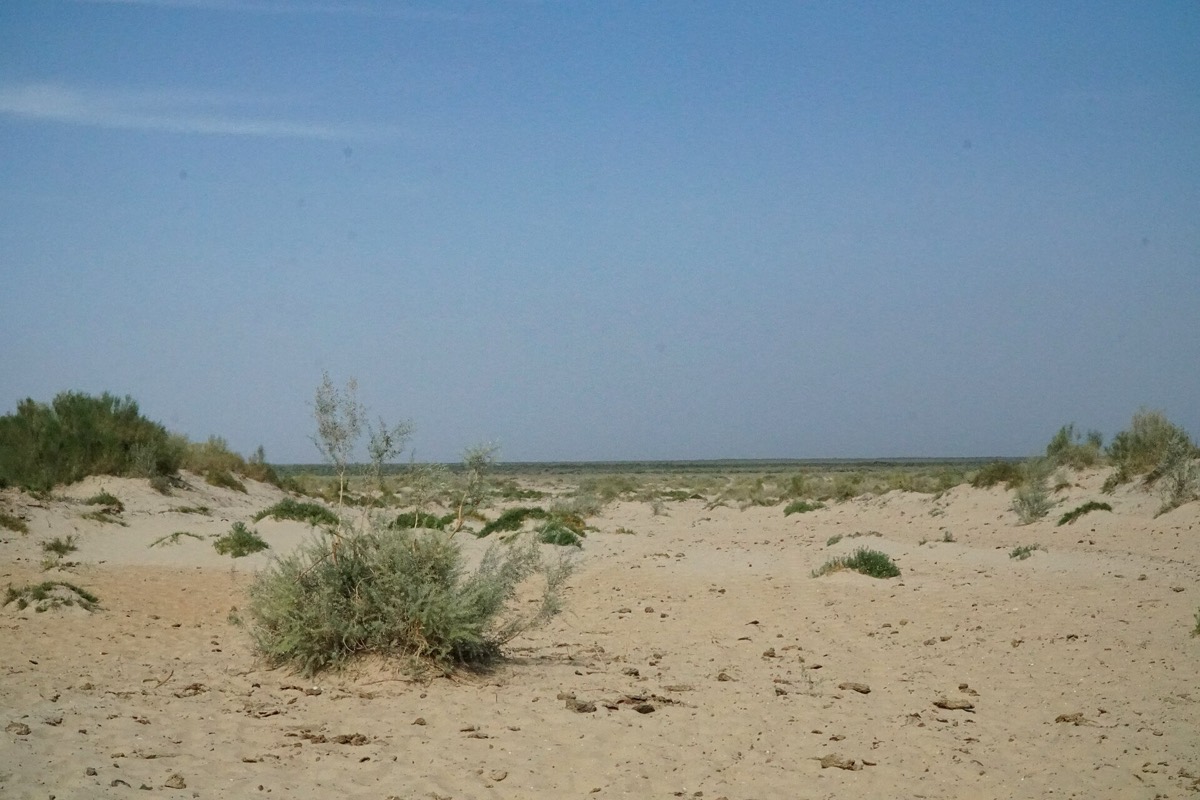 How does the world’s fourth-largest lake disappear?irrigation
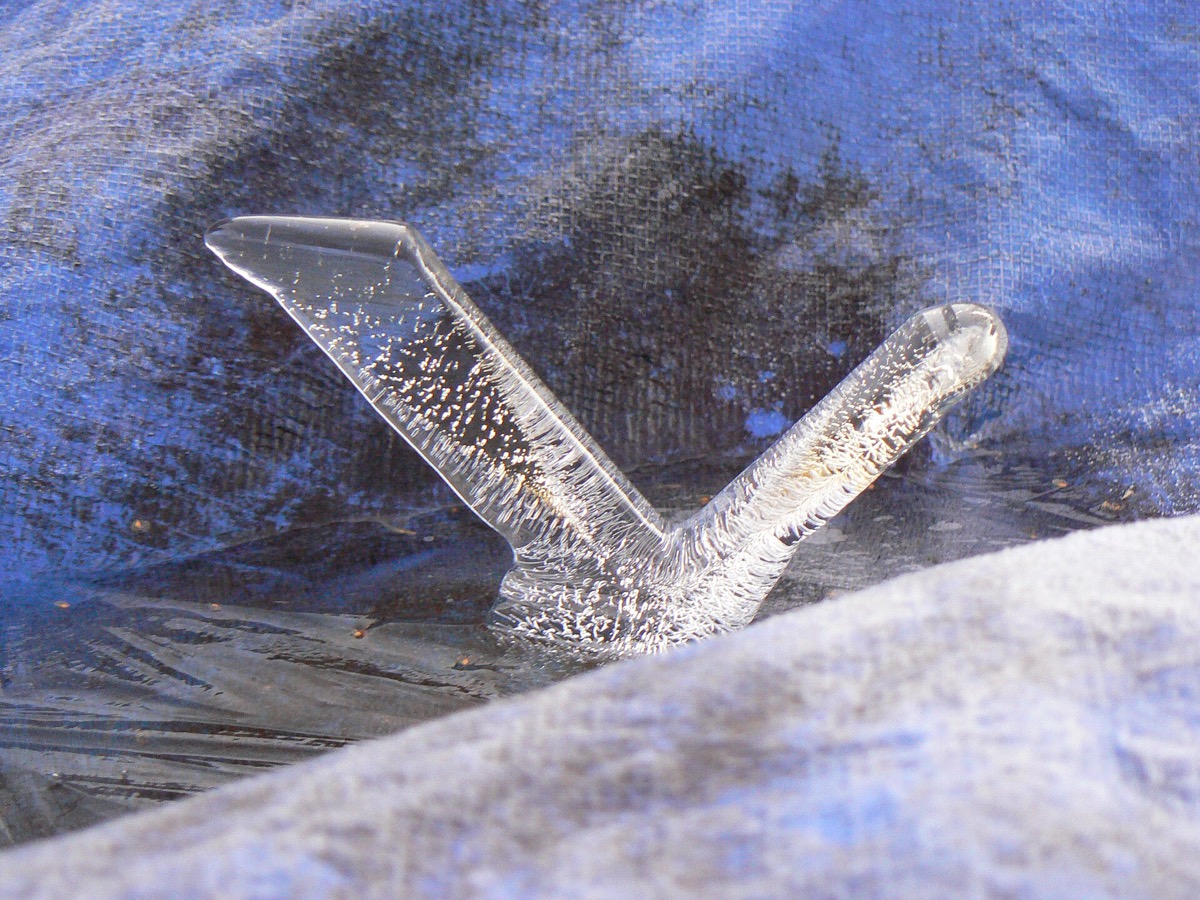 Why does a thin spike of ice sometimes grow out of an ice cube?water
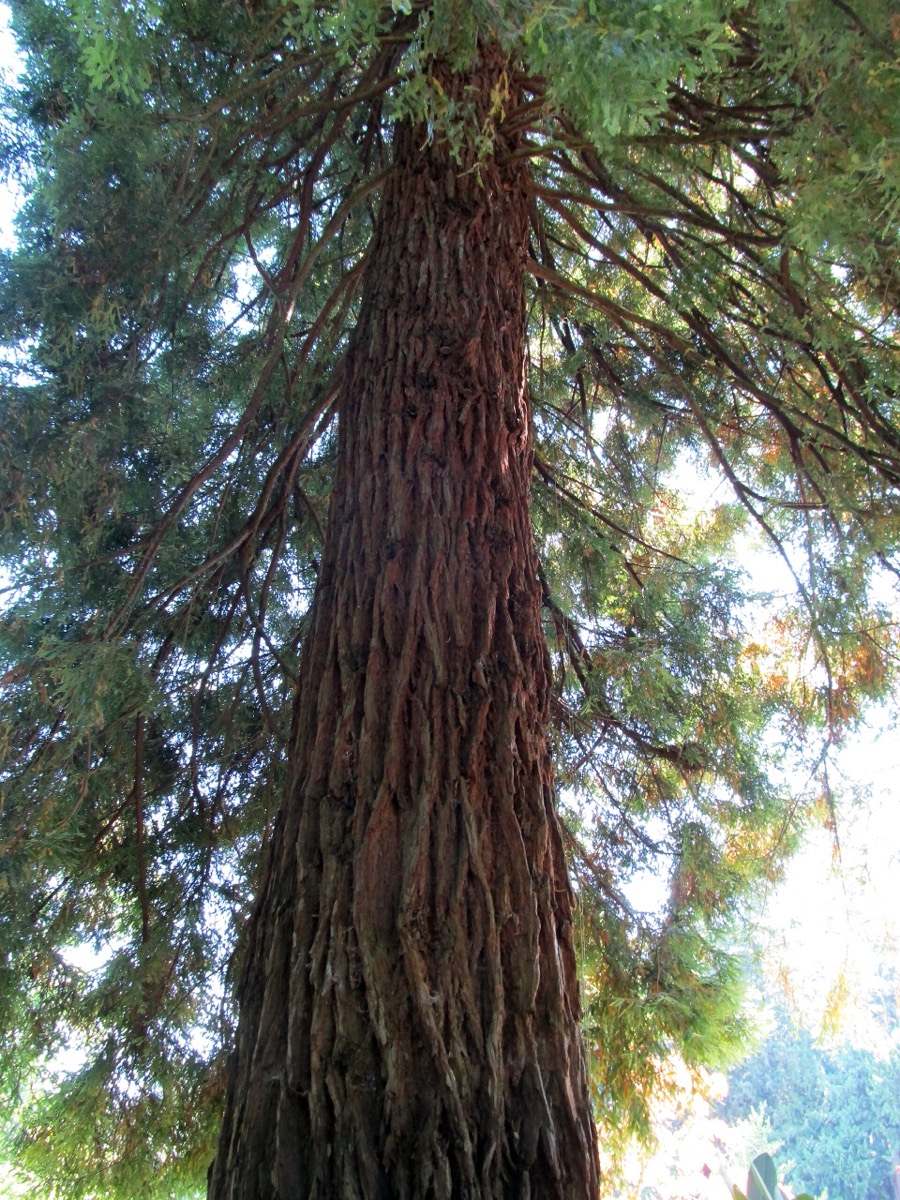 What sets the limit on how tall a tree can get?water