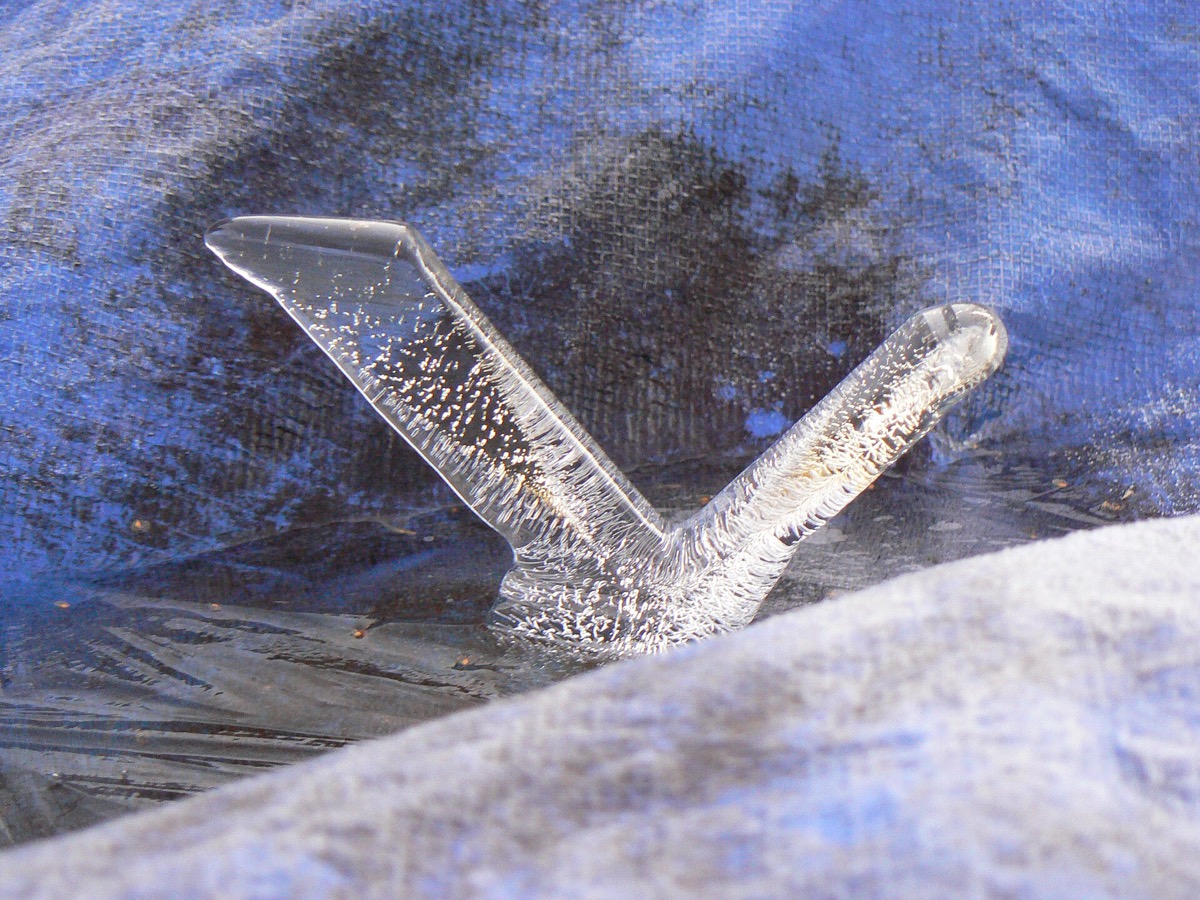
Because the water freezing last has nowhere to go but up. Libbrecht and Lui grew in the lab, between ten and fifty millimeters long, and worked out which conditions produce them. Under the best conditions about half the cubes in an ordinary ice cube tray grow one. Pure water helps. Dissolved salts almost stop it happening.
Water expands as it freezes. A cube freezes from the outside in, so the surface seals over except for one last open hole. The expanding ice underneath then pushes up through that hole, where it freezes around the rim and leaves the opening a little taller. Repeat and you get a hollow tube climbing out of the cube.
Open a freezer and you occasionally find a thin tower of ice standing on top of a cube. Libbrecht and Lui set out to produce them on demand. By freezing water under different conditions they measured how often ice spikes between ten and fifty millimeters long appeared. Four things varied: the air temperature in the chamber, air motion in the chamber, the amount of dissolved salt in the water, and the size and shape of the vessel.
The recipe turned out to be specific. Spikes are most likely when the air temperature is near minus seven degrees Celsius, when the water is pure, and when the air in the chamber is moving. Moving air matters because it promotes evaporative cooling at the surface. Under those optimal conditions, roughly half the cubes in an ordinary ice cube tray will form a spike.
With that in hand the authors examined the . Water expands as it freezes, so a cube sealing over from the outside leaves rising pressure below and one last open hole above. The density change forces supercooled water up through that hole, where it freezes around the rim and lengthens the tube. Nothing exotic is needed, only a sealed surface and an escape route.
The salt result is what the model had to account for. Even small quantities of greatly reduce the chance of a spike. The authors propose that dissolved solids concentrate at the tip of a growing spike and inhibit growth there, which would choke the tube before it gets far. Two cautions: this is a qualitative proposal rather than a direct measurement, and a controlled freezing chamber is not a kitchen freezer.
wat. The spike is the last of the water, squeezed out through the last hole left open.
wat wat
It turns a kitchen oddity into a test of a mechanism. If the spike really is built by water forced up a tube, then anything that interferes with freezing at the rim should suppress it, and dissolved solids do exactly that.
How do we know?
The authors froze water under controlled conditions and measured how often spikes formed against air temperature, air motion in the chamber, dissolved salt content, and the size, shape and material of the vessel.
What is still unknown
A laboratory study of a freezing chamber rather than a kitchen freezer, and the explanation of the salt effect is offered as a qualitative proposal rather than something the experiments measured directly.
Learn something?
Where to next
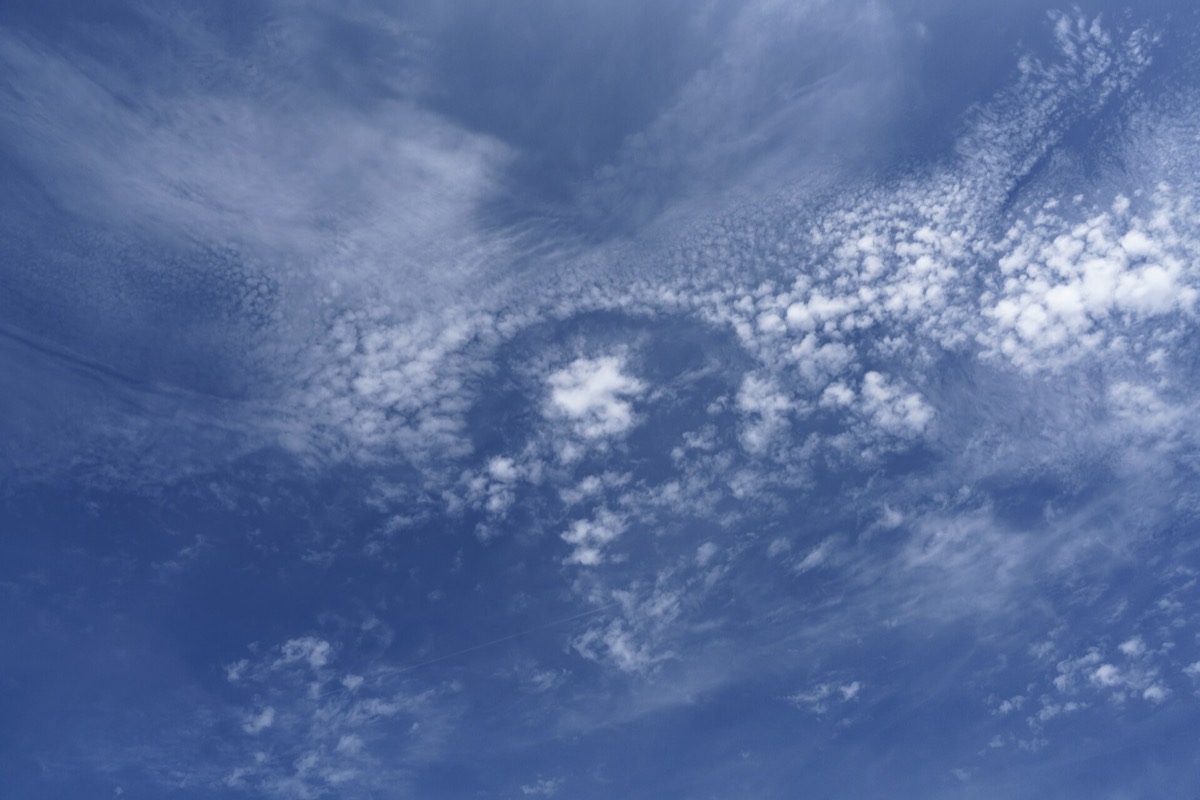 Who punches an almost perfect circle through a layer of cloud?ice
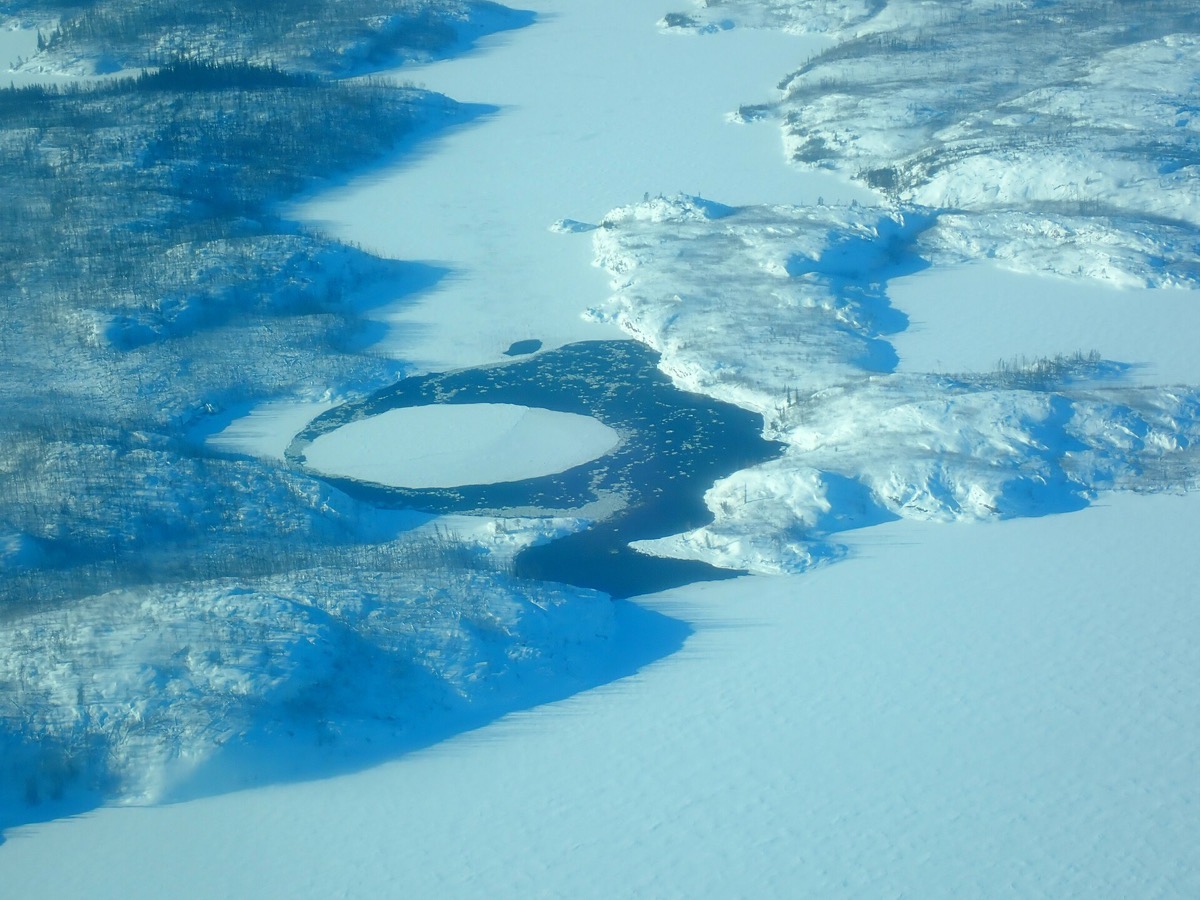 How does a round disk of ice start turning on still water?ice
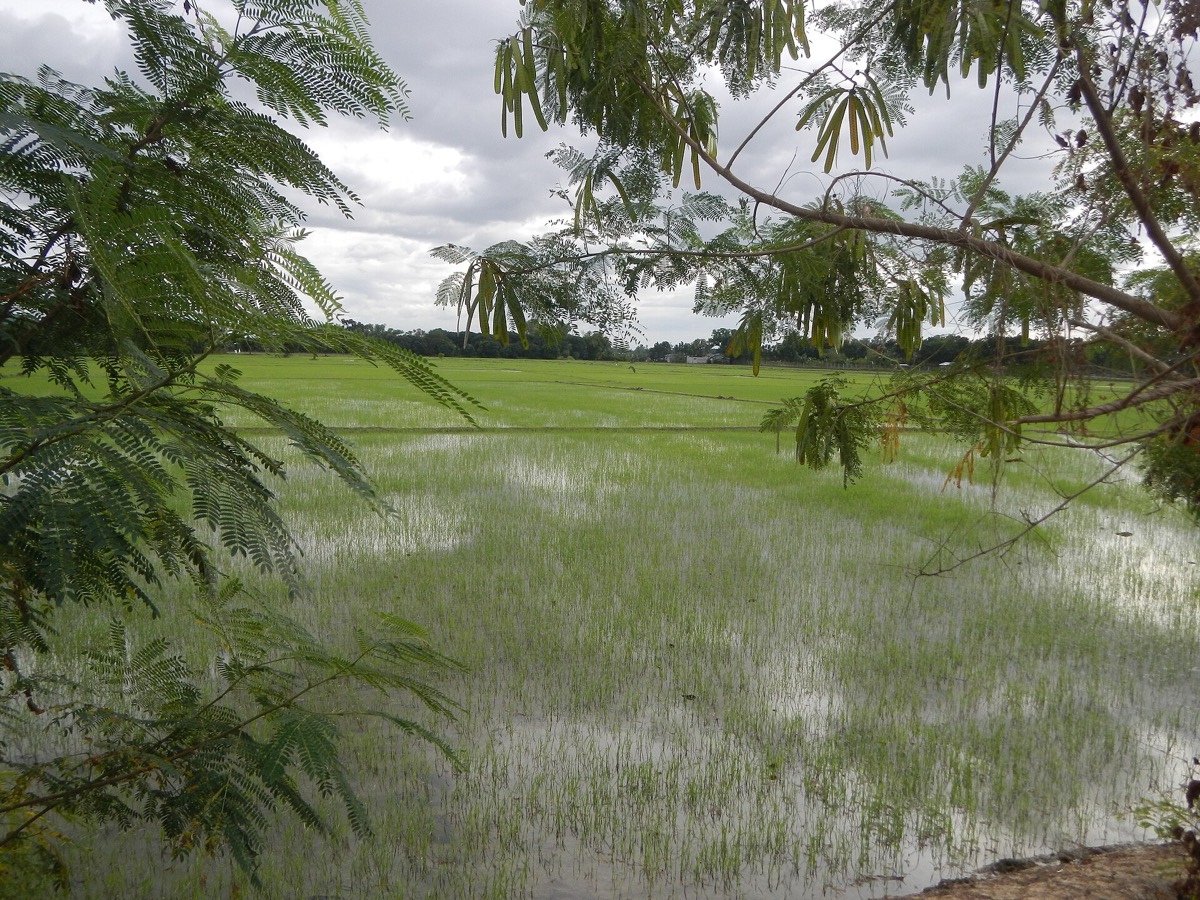 Can a rice field be left to dry out without losing the harvest?water