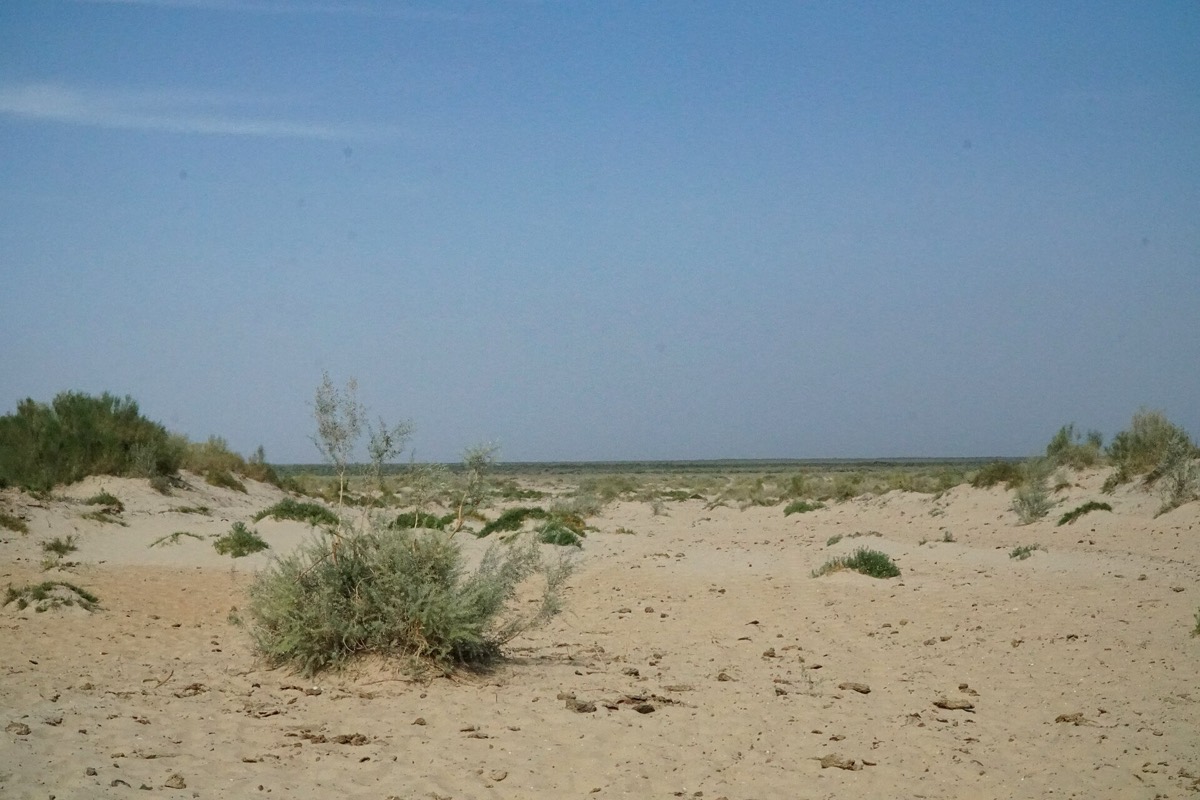
By having its rivers taken away. The shallow Aral Sea, straddling the border between Kazakhstan and Uzbekistan, was once the fourth largest body of on Earth. Its shrinkage began in the second half of the twentieth century, while the region was part of the Soviet Union, and continued into the twenty-first.
The cause is specific rather than climatic. Two rivers fed the lake, the in the north and the in the south, and both were diverted for irrigation. Those rivers were its main sources of inflowing water, so the diversion settled the outcome. The remnants now sit in the climatically inhospitable heart of Central Asia, east of the Caspian Sea.
The Aral Sea was a once-large saltwater lake of Central Asia, straddling the boundary between Kazakhstan to the north and Uzbekistan to the south. Shallow for its size, it was the world’s fourth largest body of inland water, and its remnants now nestle in the climatically inhospitable heart of Central Asia, east of the Caspian Sea.
Its demise is of great interest and increasing concern to scientists because of the remarkable shrinkage in its area and volume. That shrinkage began in the second half of the twentieth century, when the region was part of the Soviet Union, and continued into the twenty-first.
The cause Britannica names is primarily a decision rather than a trend. The riverine waters of the Syr Darya in the north and the Amu Darya in the south, the ancient Jaxartes and Oxus, were diverted for purposes of irrigation. Those two rivers discharged into the Aral Sea and were its main sources of inflowing water, which is why their diversion was decisive.
The basin itself long predates any of this. The Aral Sea depression formed toward the end of the , which lasted from about 23 to 2.6 million years ago. The hollow was partially filled with water during that process, some of it from the Syr Darya. One caution: this is an encyclopedia entry, so it gives the decades and the principal cause without apportioning the loss against other factors or quantifying the volumes involved.
wat. Take away both rivers and the fourth largest lake on Earth stops being a lake.
wat wat
Nothing exotic was required. Water that used to reach a lake was sent to fields instead, and a lake the size of a small sea went with it.
How do we know?
Britannica’s entry on the Aral Sea gives its former extent and position, the period over which the shrinkage occurred, the two diverted rivers responsible, and the geological origin of the depression the lake occupied.
What is still unknown
An encyclopedia entry rather than a hydrological study. It attributes the change primarily to irrigation diversion without apportioning it against other contributions, and gives the timeline in decades rather than measured volumes.
Learn something?
Where to next
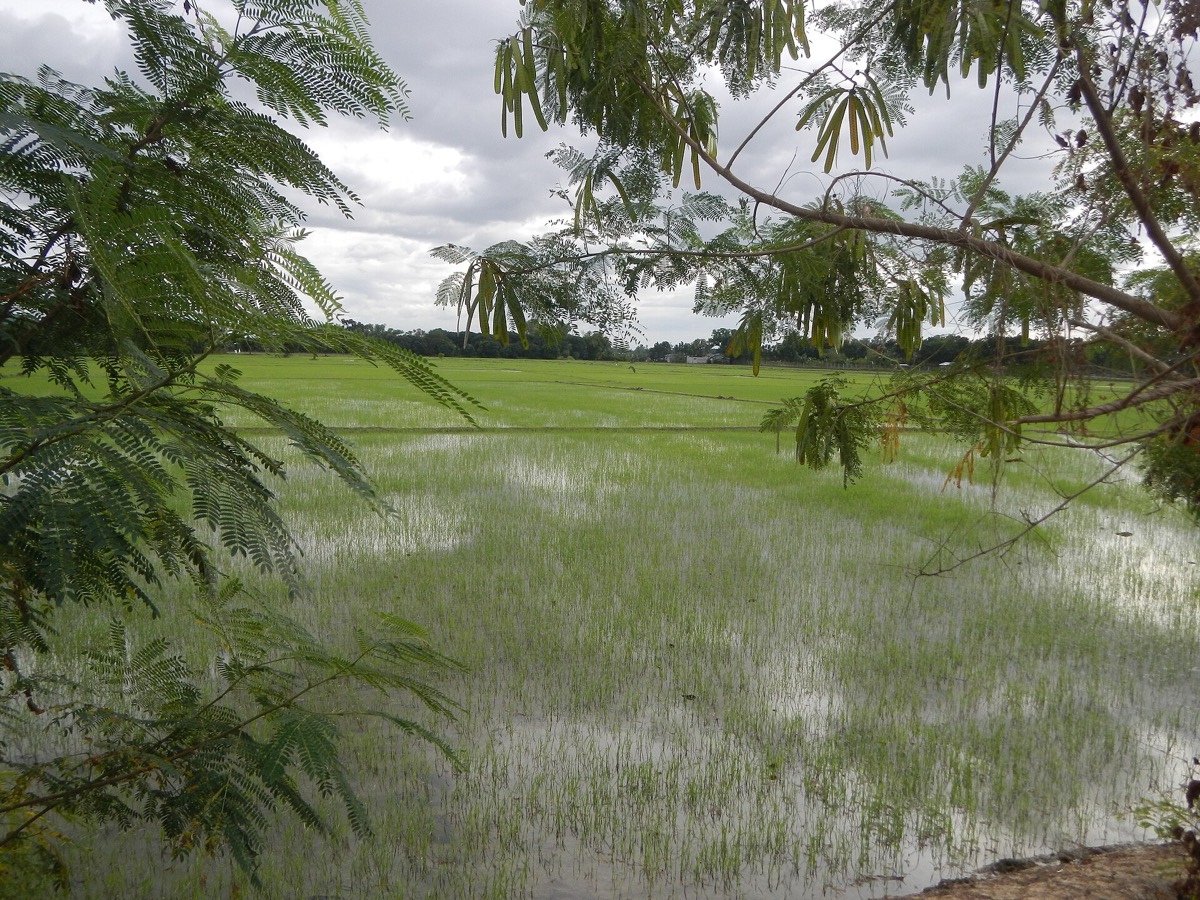 Can a rice field be left to dry out without losing the harvest?irrigation
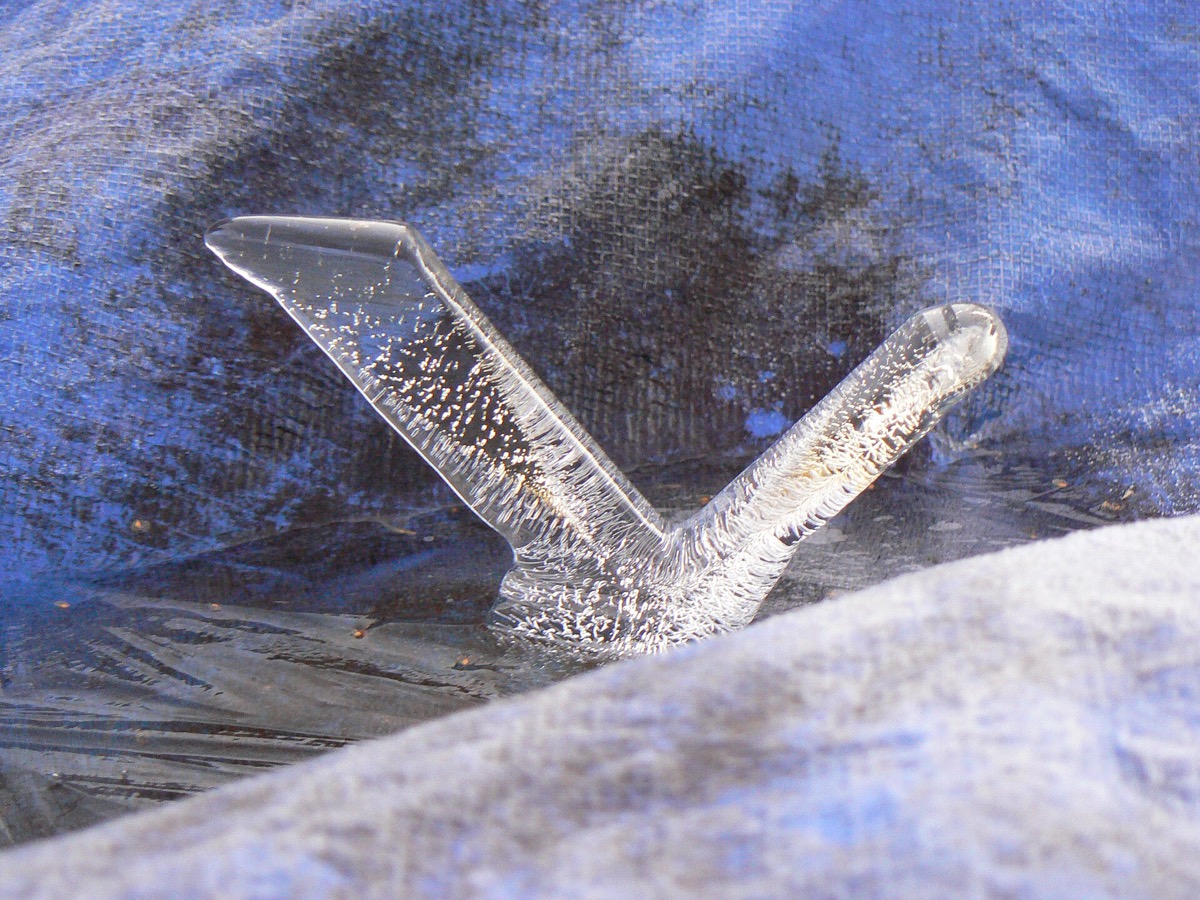 Why does a thin spike of ice sometimes grow out of an ice cube?water
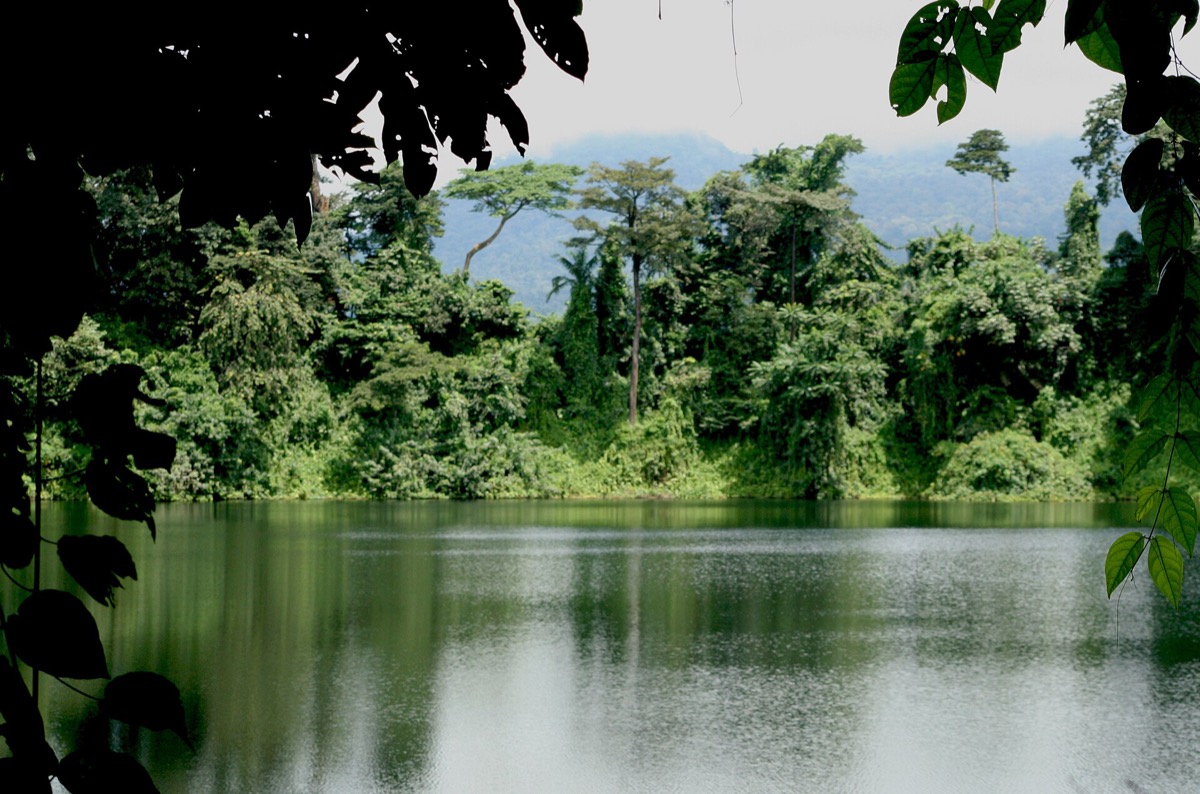 Can a lake suffocate the valley below it?lakes