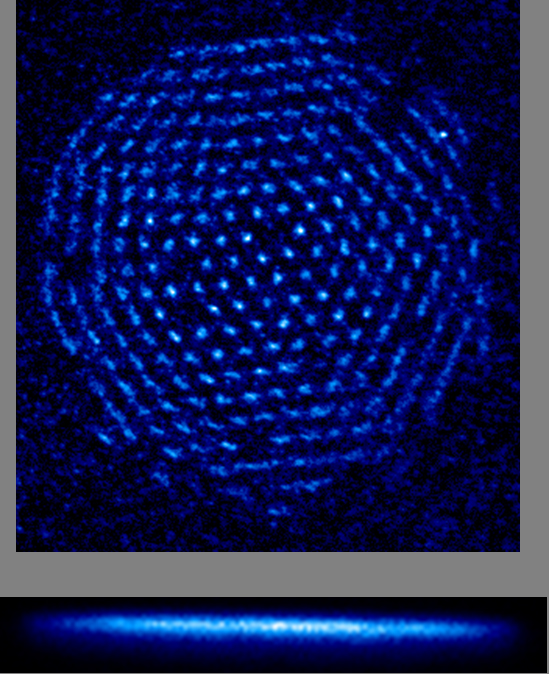
The best quantum computers today hold hundreds of interconnected , and they make an error roughly once in every thousand operations. A classical computer makes about one error for every quintillion calculations. That gap is not a matter of engineering polish. It comes from what a qubit must be if it is to be useful at all.
A qubit is exquisite but fragile. A stray electric or magnetic field, a temperature fluctuation, or even a can ruin a or an . Classical bits sit in one of two states and stay there. A qubit holds a delicate relationship that the surrounding world keeps trying to collapse. So quantum machines need error correction built in rather than added later.
Qubits are the units of quantum computing, and NIST describes them as exquisite but fragile. That pairing is the whole problem. A qubit is powerful because it can hold a superposition, and because it can be linked to other qubits through entanglement. Both of those are relationships with the rest of the machine, and relationships break more easily than facts.
The list of things that break them is short and mundane. A stray electric or magnetic field will do it. So will temperature fluctuations. So, remarkably, will a cosmic ray arriving from space and passing through the hardware. None of these is an exotic failure mode you could design around once and then forget about.
The numbers make the gap concrete. The best quantum computers today contain hundreds of interconnected qubits, and they make an error roughly once in every thousand operations. A classical computer, by contrast, makes around one error for every quintillion calculations. That is a difference of many orders of magnitude, and it is why so much quantum engineering is really error-correction engineering.
So fragility sets the agenda. Adding qubits is not the bottleneck people outside the field tend to assume it is. Keeping a qubit in the state you put it in, long enough to finish something useful, is the actual problem. Two cautions belong with the figures. This is an explainer page rather than a measurement paper, and its rates are rounded summaries of a field that moves quickly.
wat. A cosmic ray passing through the room is enough to spoil the state a qubit is holding.
wat wat
It reframes what the field is actually working on. The hard problem is not adding more qubits. It is keeping the ones you have from losing their state before a calculation finishes.
How do we know?
NIST’s explainer on quantum computing describes qubits as exquisite but fragile, lists the disturbances that ruin superposition or entanglement, and gives current error rates for the best machines alongside the classical comparison.
What is still unknown
An explainer page from a national measurement institute rather than a research paper, so the error figures are rounded summaries of a fast-moving field rather than measurements of any one machine.
Learn something?
Where to next
 Why does a reactor that has already been shut down still need cooling?physics
 Why does the cheese in a cacio e pepe sometimes seize into one lump?physics
 Why does a drop of water flee a very hot pan in particular?physics