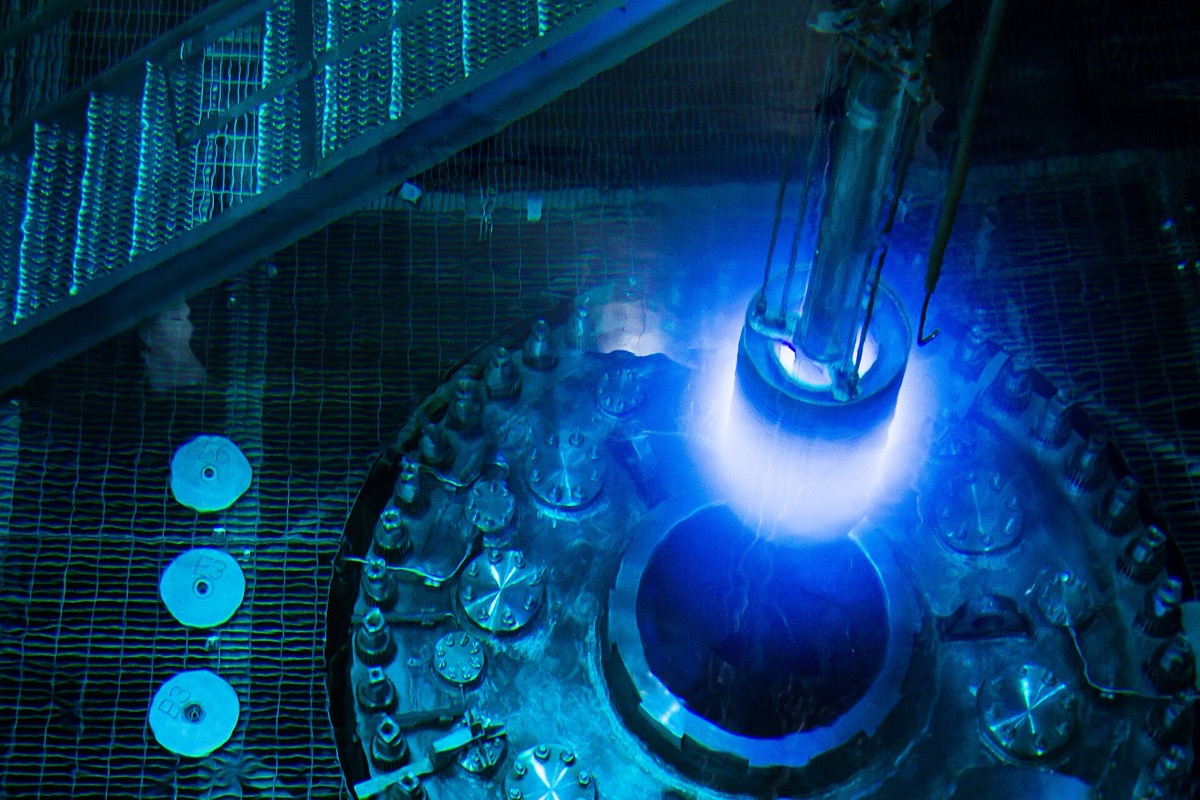
Stop the in a reactor and the fission stops at once. But the radioactive material it made while it was running does not vanish at the same moment, and it carries on decaying by itself. What does that leave behind, and why does it mean cooling for years?
Every decay releases energy, and energy inside a solid is heat. So the reactor keeps heating itself from the inside after it is switched off. Immediately after shutdown this is a few percent of the original output, which in a large reactor is tens of megawatts, and it falls away very slowly. Which is why spent fuel rods sit in pools of water for years. The blue glow in those pools is not the fuel but the water: .
Intuition says a reactor is like an engine: switch it off and it stops. The first half of that is entirely right. Control rods that absorb neutrons go in, the chain reaction is cut within seconds, and power production ends.
What does not end is what has already been made. Every nucleus that split left fragments behind, and many of those are radioactive themselves and decay at their own rates. Each such decay releases energy, and energy inside a solid is heat.
The order of magnitude is what makes this critical. Immediately after shutdown it is about six percent of the original output, which in a large reactor is tens of megawatts of heating without pause. It falls fast at first and then very slowly, which is why spent fuel rods lie in a for years.
That is exactly why a cooling failure after shutdown is a dangerous scenario, as at Fukushima: the reactors stopped as designed, and the tsunami destroyed the power supply to the pumps. What was left was with nowhere to go. The heat calculations depend on the fuel composition and the run time, so they are well-founded estimates and not one number. And the blue glow in the pools, incidentally, is the water.
wat. Right after shutdown the fuel is still producing a few percent of the original output, all of it as heat.
wat wat
It is why a cooling failure after shutdown is still a dangerous scenario, as happened at Fukushima when the reactors were no longer generating electricity.
How do we know?
Operators measure decay heat directly, in the temperature rise of the pool water, and calculate it from the known decay chains of the fission products.
What is still unknown
The rate of decay depends on the composition of the fuel and how long it ran, so decay-heat figures are well-founded estimates rather than a single number.
Learn something?
Where to next
 Why does the cheese in a cacio e pepe sometimes seize into one lump?physics
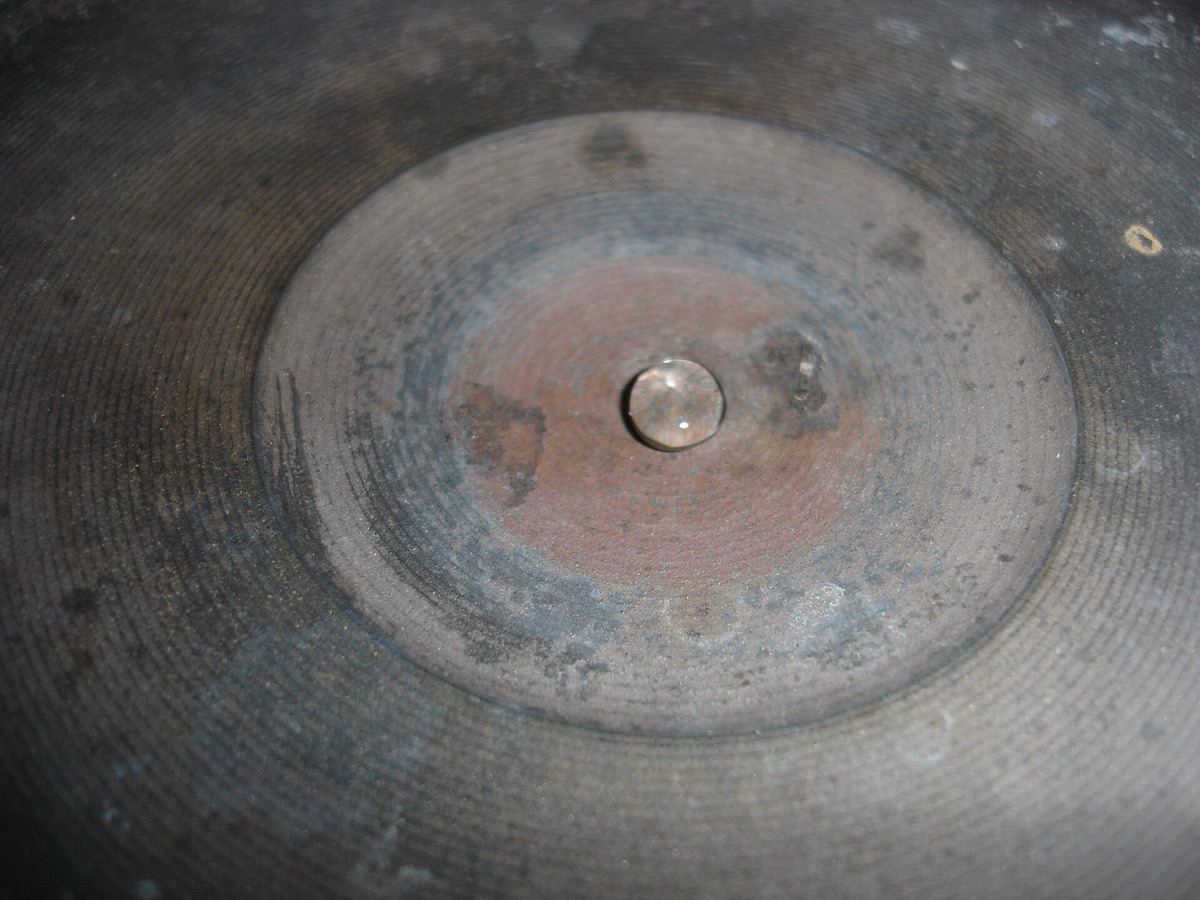 Why does a drop of water flee a very hot pan in particular?physics
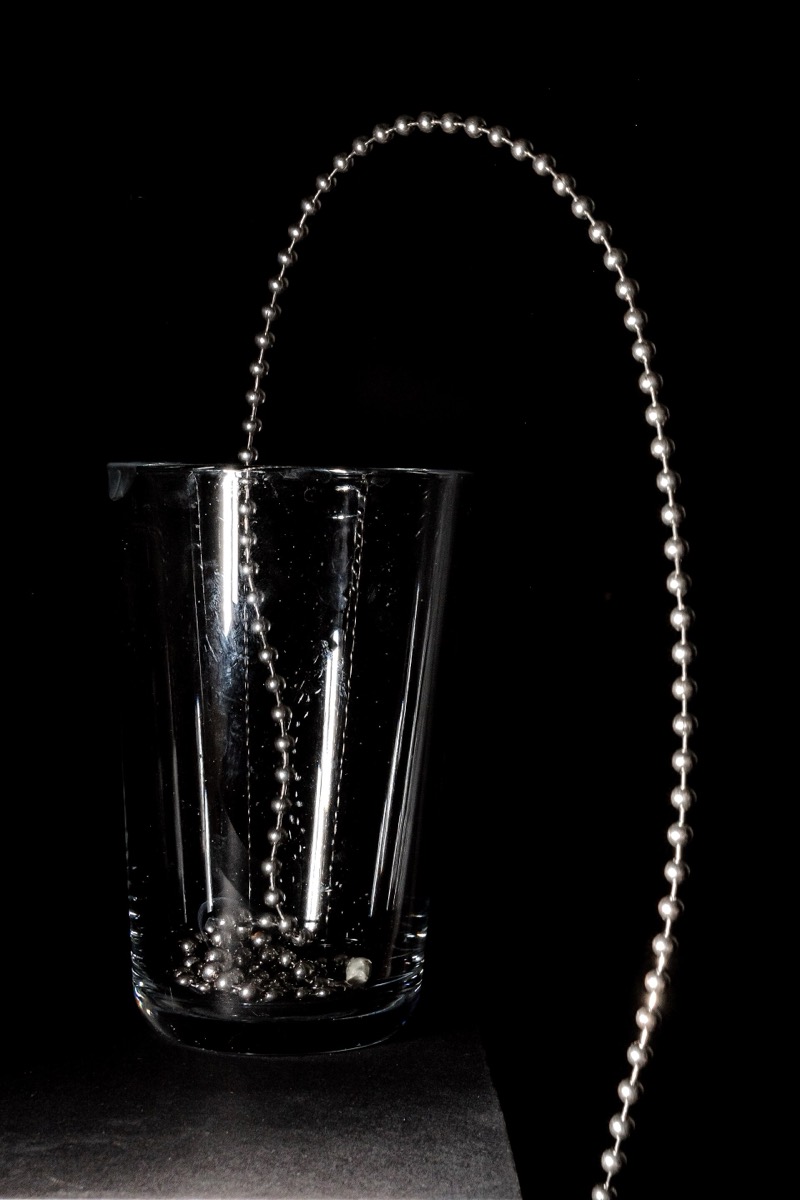 A chain pours from a cup to the floor. Why does it rise into the air first?physics