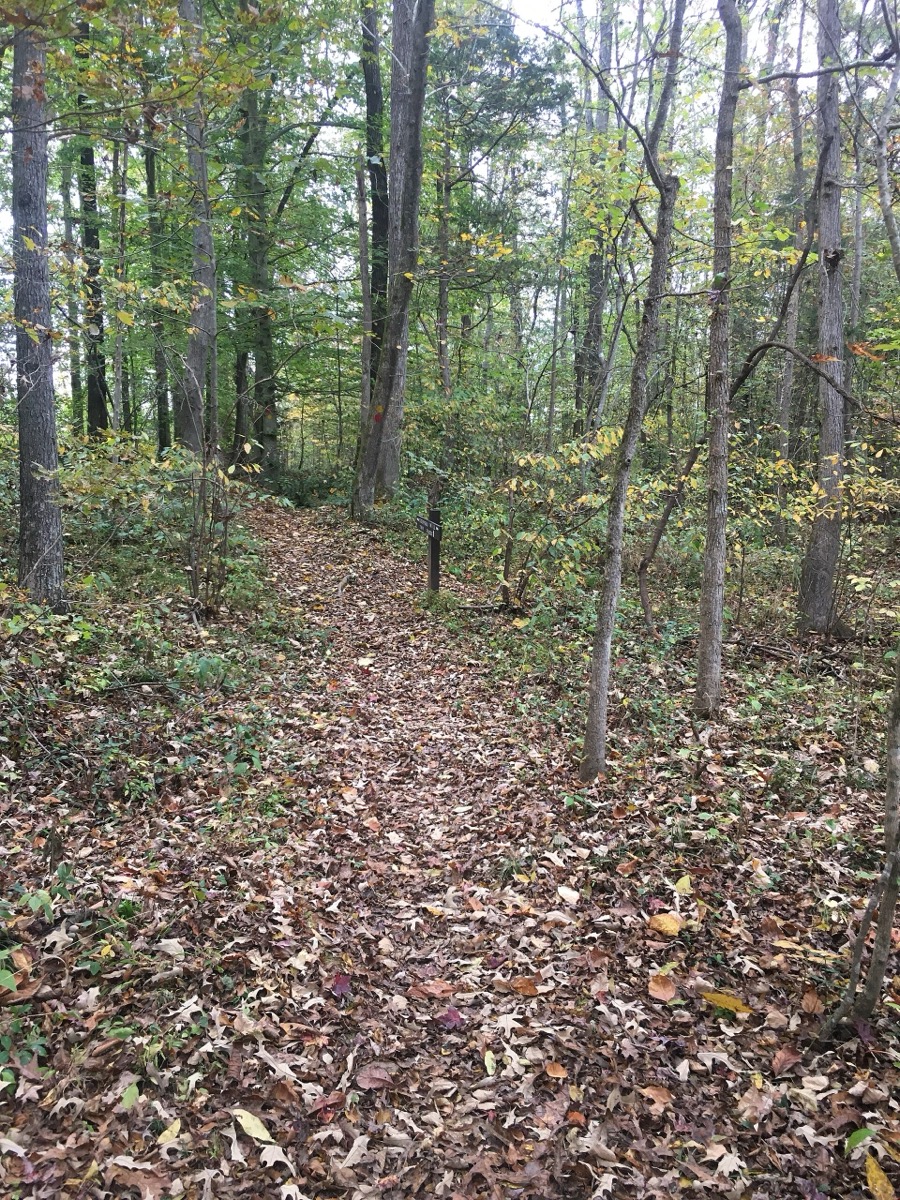
A gives more than a place to walk, and a visit to nature may contribute to . But a mental benefit appears in no budget, which makes it easy to ignore. How do you put a price on it at all?
About six trillion dollars a year, as a model estimate. The authors translated the benefit into a global economic value using visitor numbers and a health measure that takes into account. This is not money entering park coffers, and not a direct measurement of each visitor. It is , useful mainly as a sense of scale.
The value of a protected area is sometimes measured in entrance tickets, visitor spending or a management budget. Those do not necessarily include a contribution to health.
The authors calculated a global estimate of the mental benefit using visits and a measure that weighs years of life by their quality.
The resulting sum, about six trillion dollars a year, is very large relative to tourism income and the management budgets of reserves. Its purpose is to show the benefit may be substantial.
Even so, a global model is not a study that follows each visitor before and after a trip. The authors themselves call for more precise methods and for local tests.
wat. Six trillion dollars is a model estimate of the mental health value of visiting reserves, not income anyone measured.
wat wat
When deciding how much to invest in reserves, a health benefit is worth counting alongside tourism income.
How do we know?
The work built a global model combining visit data for protected areas with a standard valuation method from health economics.
What is still unknown
The estimate rests on generalizations across countries and people and on indirect health measures; it does not prove every visit has the same effect or value.
Learn something?
Where to next
 How much greenery in a neighborhood is linked to less mental distress?mental health
 Does a park make people happy, or do happy people choose the park?travel
 Why do people choose to visit a place tied to disaster or death?travel