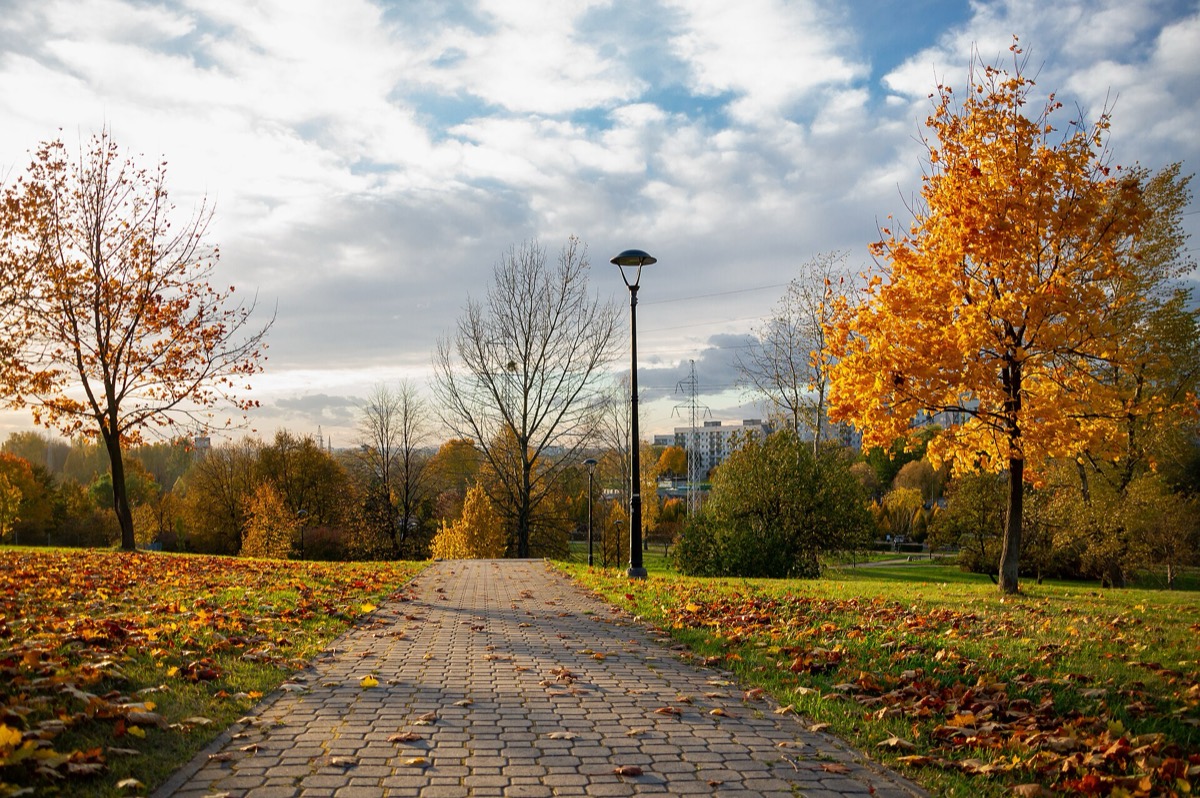
It is easy to ask whether a city has a park, and harder to measure what a person actually meets day to day in their own street. and the presence of birds in the afternoon were both measured, against the of depression, anxiety and stress. What was linked to what?
More greenery, less distress, in a graded way. More vegetation cover and more birds in the afternoon were linked to lower prevalence of depression, anxiety and stress. suggested thresholds of about 20% vegetation for depression and stress and about 30% for anxiety. These are observational links, and such as income can produce both.
The work examined five features of nature and did not get the same result for all of them.
Vegetation and bird abundance during the hours when people are awake stood out more than measures less visible in daily experience.
The threshold model does not say one more tree at a particular point prevents depression; it describes an average change in the data.
The next step is a natural experiment: measuring health before and after a green change in a neighborhood and comparing with a similar area. Until then income, housing quality and the choice of neighborhood remain live alternatives.
wat. Greener neighborhoods showed less distress, and the thresholds are an observational estimate rather than a medical prescription.
wat wat
Planning streets and trees may be part of a health environment, without requiring every person to travel to a nature reserve.
How do we know?
Health survey data were set against measurements of vegetation, birds and other features of nature in urban neighborhoods.
What is still unknown
Nothing here proves the vegetation caused the difference; income, housing quality and the choice of neighborhood can all play a part.
Learn something?
Where to next
 Does the shade in a city follow the money or the demographics?trees
 Which street trees actually feed the birds of a city?birds
 Why do city birds sing at a higher pitch?birds