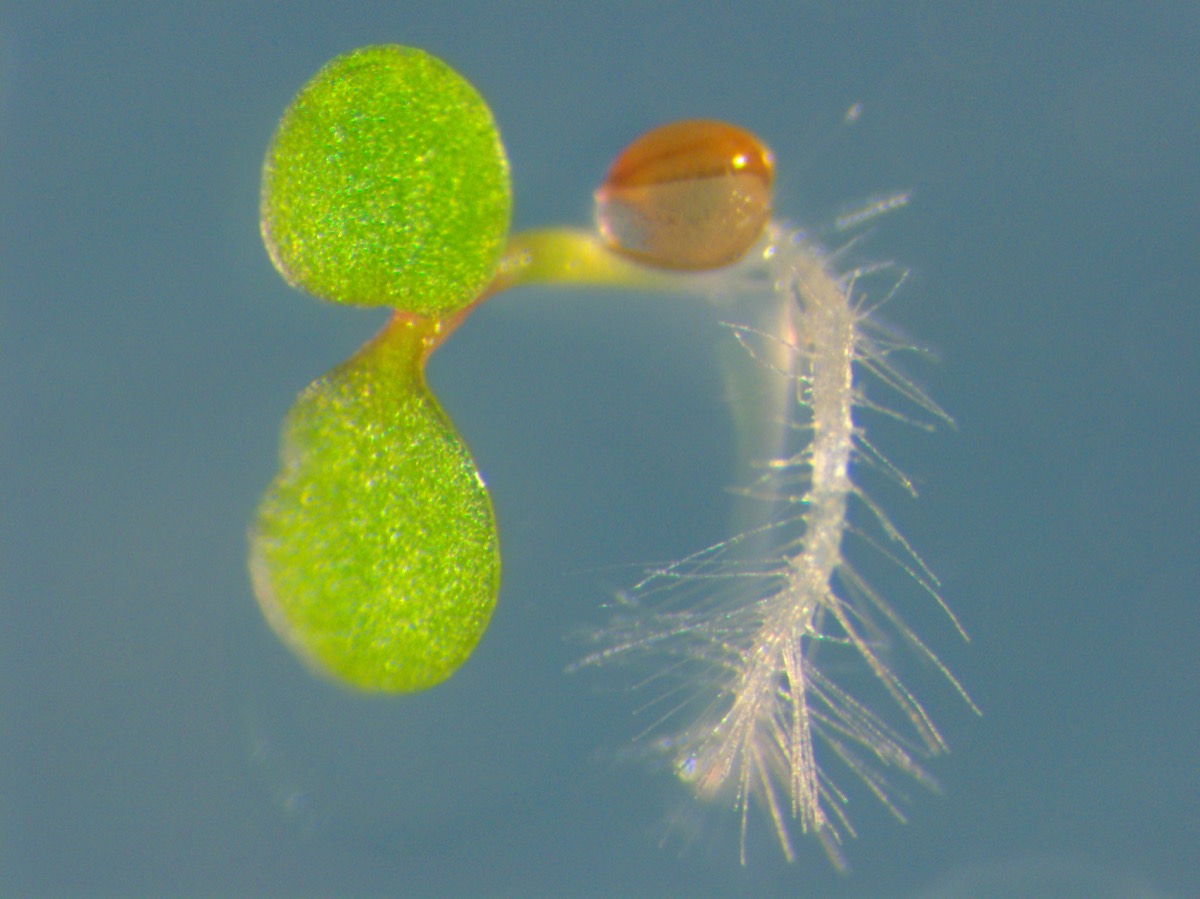
Sound has been shown to affect how plants germinate and grow, and it has never been clear what any of that is for in the field. A caterpillar chewing a leaf puts real acoustic energy into the tissue, so there is at least something to detect. Appel and Cocroft played recorded feeding vibrations to Arabidopsis rosettes, then let caterpillars loose on them. Does the warning get through?
It does, and the plant is selective about it. Rosettes pre-treated with the vibrations of caterpillar feeding carried higher levels of and defenses when Pieris rapae caterpillars were subsequently set on them, compared with untreated plants. The plants also discriminated: vibrations from chewing produced the response, while those from wind or from did not.
Sound influences plant germination and growth, which has been shown repeatedly, and the ecological significance of those responses has stayed unclear. Showing a plant reacts to a tone in a laboratory is a long way from showing the reaction does any work in a field.
Appel and Cocroft looked for a sound that would matter. An insect herbivore chewing a leaf generates acoustic energy in the tissue it is eating, which is both unambiguous information and available before the damage has gone far.
They pre-treated rosettes with recorded vibrations of caterpillar feeding, then let Pieris rapae caterpillars feed on them. The pre-treated plants carried higher levels of glucosinolate and anthocyanin defenses than untreated ones, meaning the vibration alone had prepared the chemistry.
The discrimination is what makes it ecologically meaningful rather than a curiosity. The plants distinguished the vibrations of chewing from those caused by wind or by insect song, responding only to the one that signals an actual attack. A vibration signaling pathway would complement the volatile, electrical and phloem-borne routes already known, and the authors propose it as a long distance mechanism contributing to systemic defense.
wat. A recording of chewing was enough to arm the plant, and a recording of wind was not.
wat wat
Plants already signal through volatiles, electrical activity and the phloem. A vibration channel would be a fourth, and the only one that works at the speed of sound through tissue.
How do we know?
Appel and Cocroft pre-treated Arabidopsis thaliana rosettes with recorded leaf vibrations from caterpillar feeding, from wind and from insect song, then measured chemical defenses after real caterpillar feeding.
What is still unknown
One plant species and one caterpillar, under playback in controlled conditions. Whether vibration matters against the background of a real field, full of wind and other insects, is not established here.
Learn something?
Where to next
 Can a plant tell its neighbors which insect is eating it?plants
 What do elephants hear through the soles of their feet?vibration
 How does a small beetle fire liquid at boiling point?insects