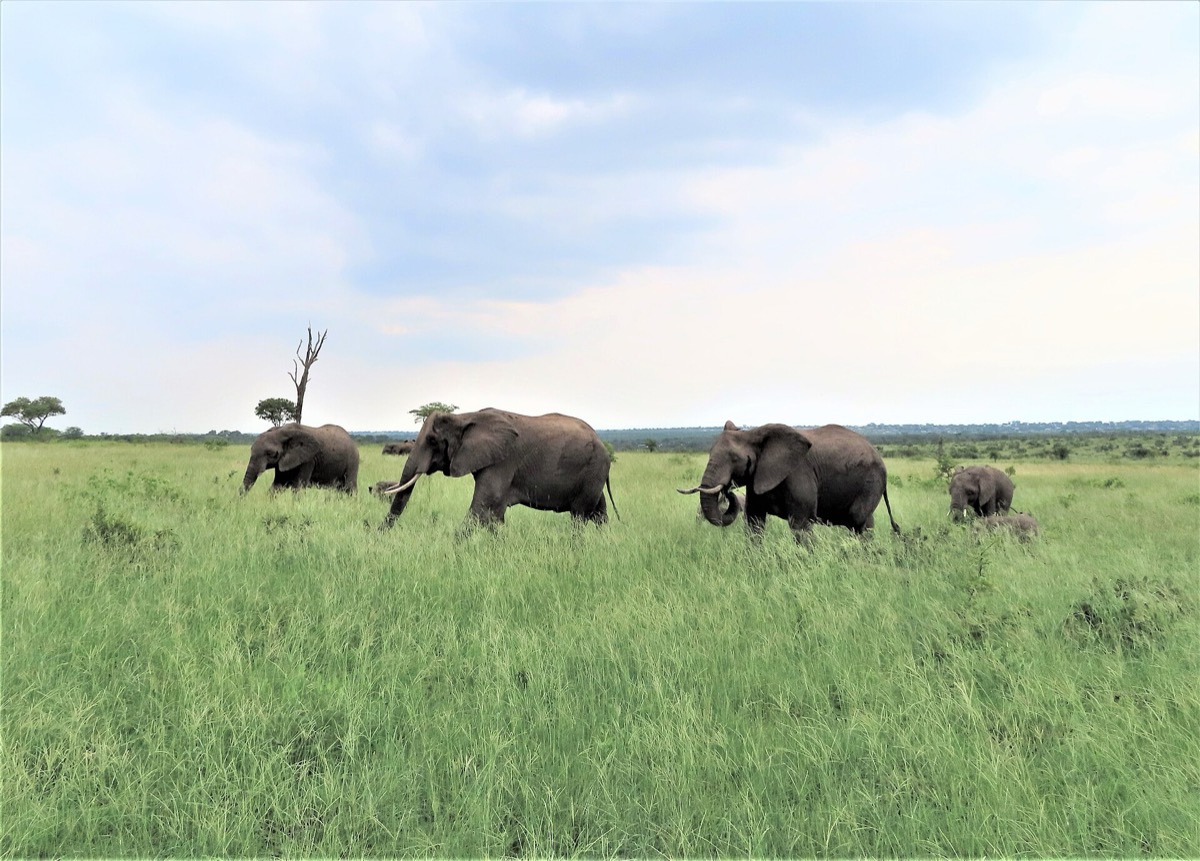
Elephants make sounds at very low frequencies, some of them below the threshold of human hearing. Waves like that fade slowly and travel kilometers, through the air and through the ground alike, where they are . An elephant that freezes in place and shifts its stance to press harder into the earth is doing something deliberate. What is it doing?
Listening, most likely. The elephant’s foot holds a thick pad of fat and structures sensitive to pressure, and the bone conducts the vibration upward to the inner ear. So the same call reaches a listener twice, once through the air and once through the ground, and the ground channel arrives first. An elephant that freezes and presses down like that has taken up , and that is how distant herds coordinate movement and pick up danger.
The first part of this is wave physics. Elephants make sounds at very low frequencies, some of them below our own threshold, which puts them in . A wave like that is long, so it fades slowly, bends around trees and hills instead of scattering, and reaches out for kilometers.
The second part is that the same wave travels in two media at once, in the air and in the ground. The ground channel is faster and loses less, so one call reaches a listener twice, and with a small time difference that could in principle yield a distance.
The third part is the organ. is a thick cushion of fat with structures in it sensitive to pressure, and the bone conducts the vibration upward to the inner ear. This is not hearing through air but bone conduction, a mechanism we have as well.
The field test took the direct route: play recordings of calls through the earth and see how the herd responds, while measuring how the vibrations spread. The unavoidable difficulty is that ears and feet are hard to separate, so some responses admit both readings. The practical significance is about noise: infrastructure and traffic inject vibration into exactly that channel.
wat. The ground carries the same call faster than the air does, so a distant herd gets the message twice, and the earth gets there first.
wat wat
It extends what animal communication is taken to be beyond the air, and it raises questions about what noise from infrastructure does to herds.
How do we know?
Researchers played recordings of elephant calls through the ground and watched how the herd responded, measuring at the same time how the vibrations spread across the site.
What is still unknown
In the field it is hard to separate reception through the ears from reception through the feet, so some of the responses can be read either way.
Learn something?
Where to next
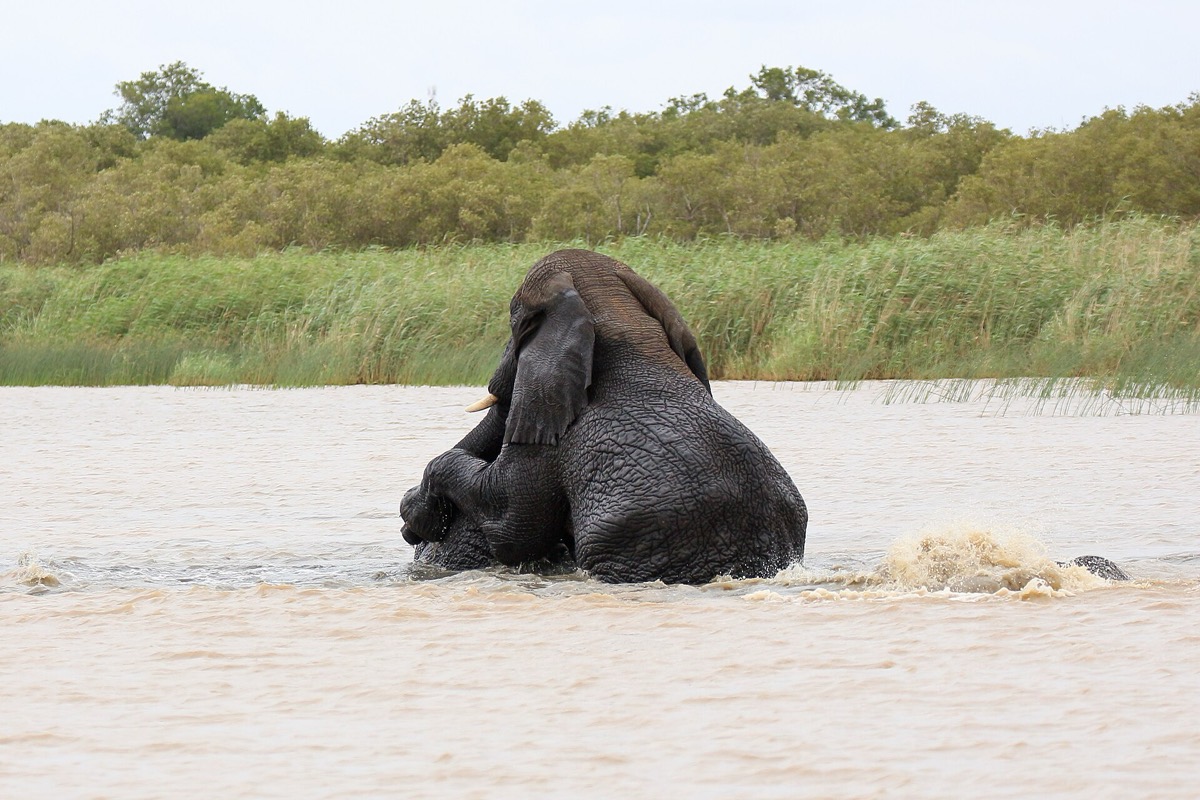 Do elephants call each other by name?elephants
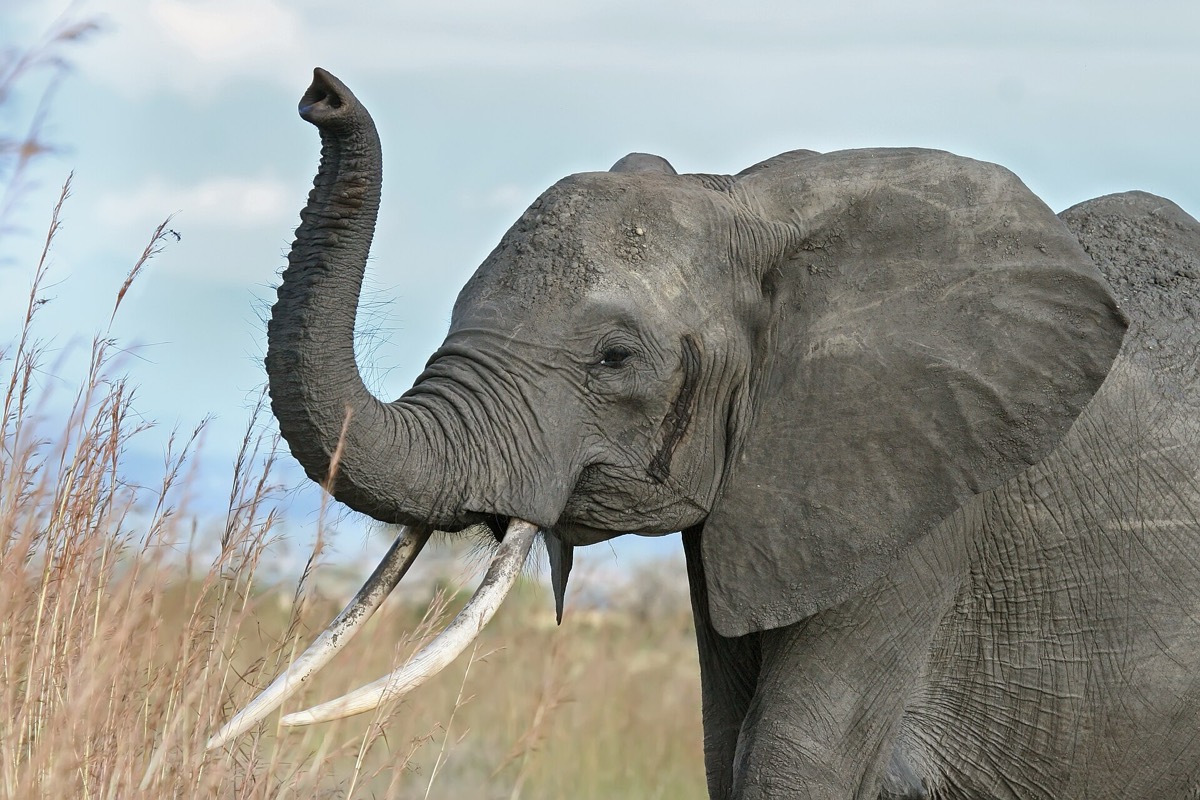 How does a group of male elephants decide it is time to leave?elephants
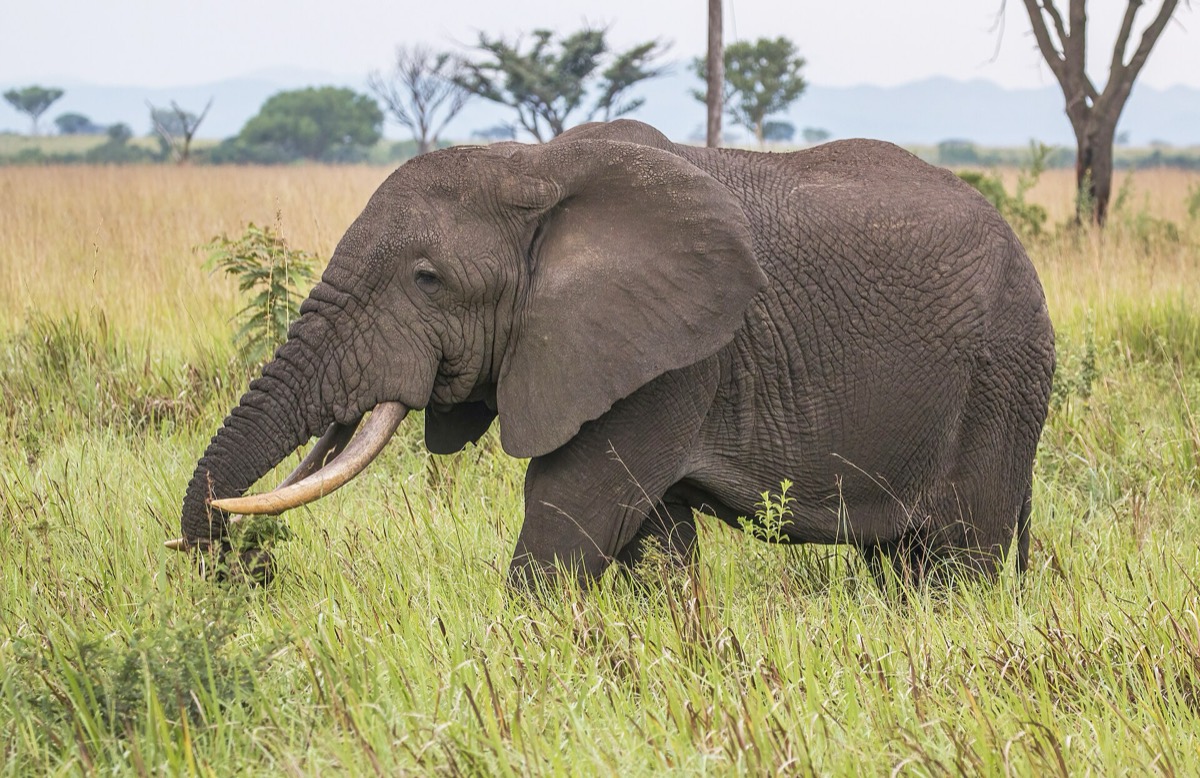 Why don’t elephants get more cancer than we do?elephants