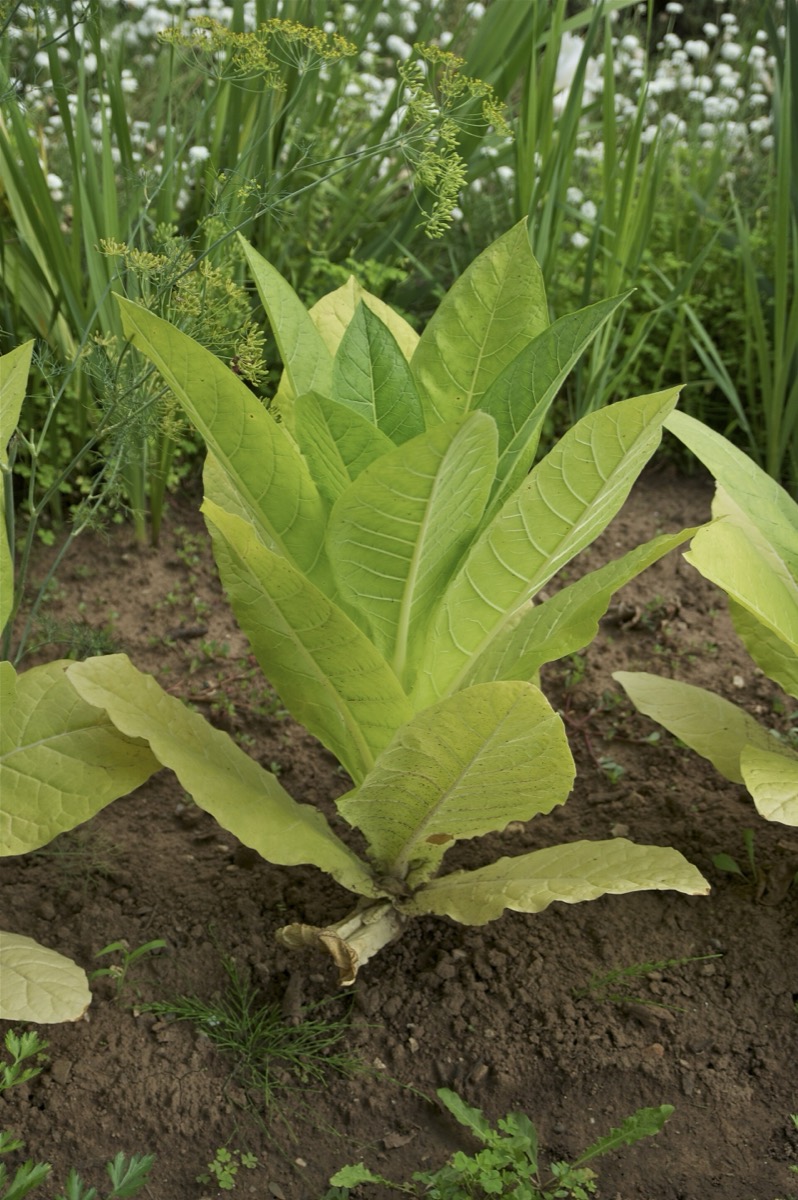
A damaged plant releases a blend of volatiles, and the blend differs by which herbivore is doing the damage. Neighboring plants pick those volatiles up and prepare their own defenses, which is well established. The attractive next step is that the neighbor reads the species from the blend and prepares for that insect specifically. Paudel Timilsena and colleagues tested it with a specialist and a generalist caterpillar. Does the message carry a name?
The warning gets through; the name does not. Plants exposed to produced two to four times more volatiles and after simulated herbivory than plants exposed only to constitutive volatiles. But the size of that response was the same whichever herbivore had primed it and whichever one challenged it. The volatiles a primed plant emitted depended only on the challenging species, not on the blend it had been primed with.
Plants produce species-specific blends of volatiles after damage, and neighboring plants respond to them. Those two facts invite a third: that the neighbor reads which herbivore is present from the blend and prepares a defense tailored to that insect.
Paudel Timilsena and colleagues tested it properly. Manduca sexta, a specialist, and Heliothis virescens, a generalist, induce distinct volatile profiles in Nicotiana benthamiana. Those profiles primed receiver plants, which were then challenged with simulated herbivory, meaning mechanical wounding plus , from one caterpillar or the other.
Priming worked, and worked well. Primed plants produced two to four times more volatiles and more jasmonic acid after the challenge than plants exposed only to the volatiles a healthy plant gives off. The neighbor is genuinely better prepared for having listened.
The specificity is what fails. Primed plants accumulated similar amounts of volatiles and jasmonic acid regardless of which herbivore had done the priming and which did the challenging. The volatile profile a primed plant emitted depended only on the species currently attacking it, not on the blend that had warned it. Feeding by either caterpillar neighbors for a general increase, and the species information in the signal goes unused.
wat. The neighbors hear that something is chewing and get ready. They do not hear what it is.
wat wat
It separates two claims that often travel together: plants do warn each other, and the warning is not species-specific, which is a much cheaper system to run.
How do we know?
Paudel Timilsena, Seidl-Adams and Tumlinson primed Nicotiana benthamiana with volatile blends from specialist and generalist caterpillar damage, then applied simulated herbivory and measured jasmonic acid and emitted volatiles.
What is still unknown
One plant species with two caterpillars under simulated herbivory, meaning mechanical wounding plus regurgitant rather than a live insect feeding over hours.
Learn something?
Where to next
 Can a plant tell the difference between wind and a caterpillar?plants
 How does a small beetle fire liquid at boiling point?insects
 A scorpion gave up its tail to escape. How does it live on with no anus?defense