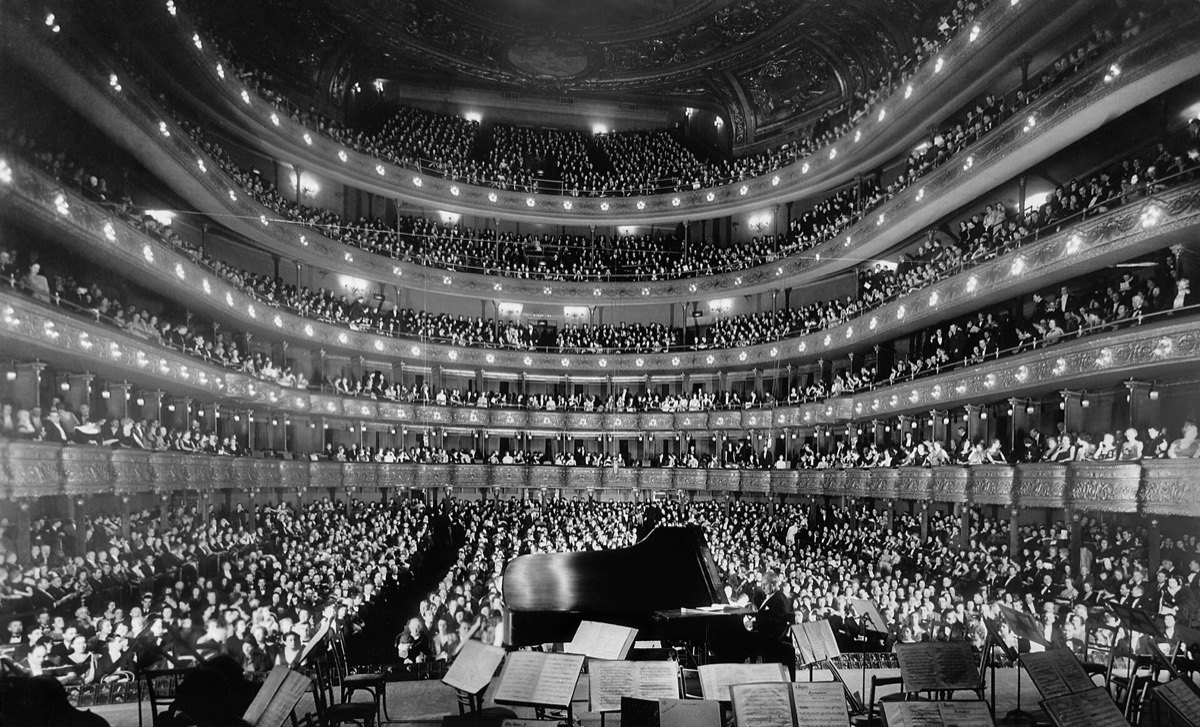
An audience at a concert hears the same music at the same moment, and each person experiences it alone in their own head. To find out whether the body responds together, heart rate, , and movement were recorded in a hundred and thirty-two listeners. What synchronized?
Patterns, not beats. Across three performances of the same , some of the measures changed similarly in many listeners at the same moments in the music. was stronger where listeners reported being moved or absorbed by the piece. There are no hearts beating in the same second here, and the timing of each breath was not shared.
All three concerts held the same works, so that musical responses could be compared under similar performances with different audiences.
The researchers found a match in measures such as heart rate, breathing rate and skin response, and in movement as well. In the timing of the breaths themselves, no match appeared.
After the performance the listeners were asked to describe how moved or absorbed they had been. The match in heart rate strengthened where the experience was described as moving or inspiring.
The finding fits the idea that music drives a whole audience in parallel. It does not require every participant to feel the same emotion or to influence one another directly.
wat. At concerts, listeners’ heart rates changed similarly in moving moments, and their breathing did not run on a shared timing.
wat wat
Music can create a shared response that is measurable, without assuming every listener experiences exactly the same thing.
How do we know?
Sensors tracked bodily measures in listeners at three public concerts, where the same ensemble performed the same works.
What is still unknown
These were particular chamber concerts with an audience that volunteered for measurement. A match in time does not mean one listener directly influenced another.
Learn something?
Where to next
 Does seeing the pianist change the heart rate of the audience?heart rate
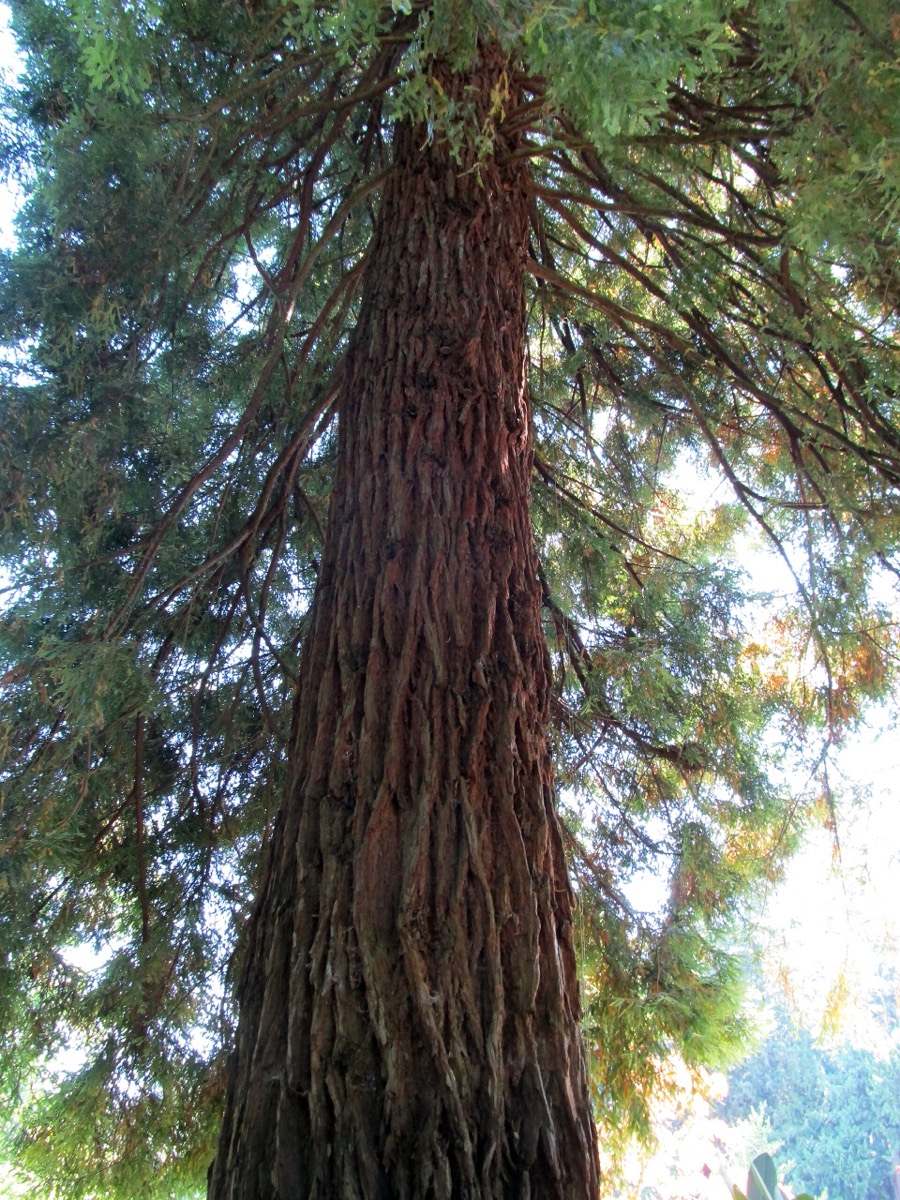 What sets the limit on how tall a tree can get?physiology
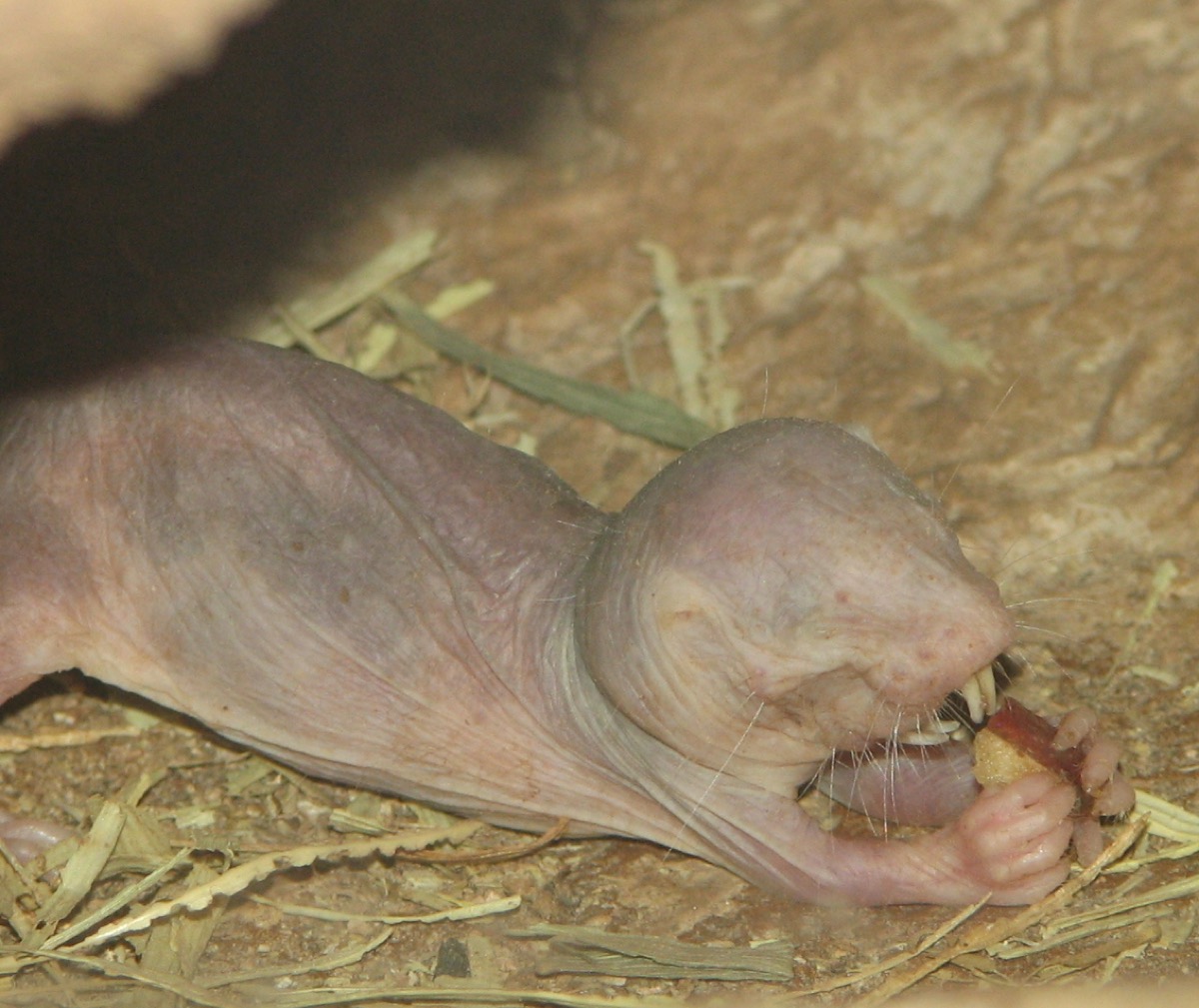 How does one rodent survive 18 minutes with no oxygen?physiology