
An audience hearing the same music does not have to feel the same thing, and the body may still answer the same moments at the same time. At piano concerts, researchers compared pieces the audience only heard against pieces it also watched, and recorded every heartbeat in the room. What changed?
Hearts rose and fell together more closely when the audience could watch. The effect is modest, it appeared only in the that rose above chance, and it gathered around clear in the music. Averaged over whole pieces it failed to predict how engaged the listeners said they had been. What this tracks is shared attention rather than shared pleasure.
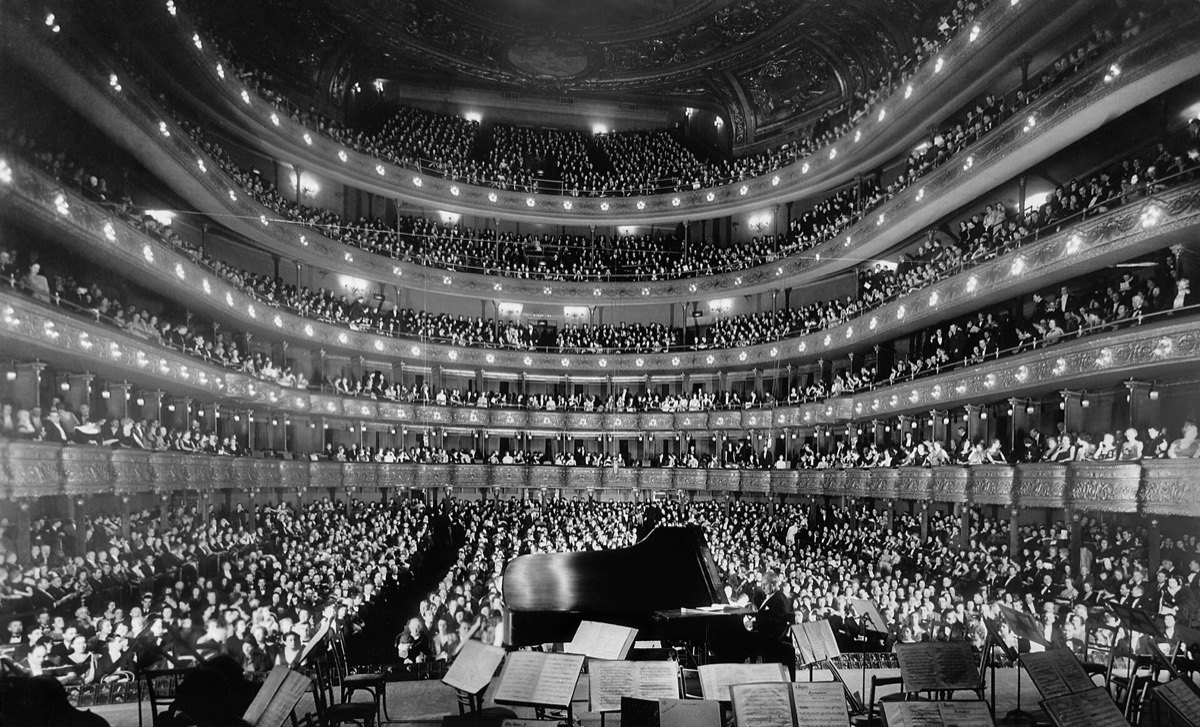
A live concert carries more than sound. Hands, posture and the presence of a performer on stage all add information that a recording of the audio alone withholds, and the question was whether that extra channel changes what an audience does physically.
The researchers recorded cardiac and respiratory signals from the audience and compared piano performances that were only heard with performances that were also seen. They asked how closely the heart rate of one listener tracked another at the same instant, rather than comparing average pulse.
Of the four measures, only the correlation family exceeded chance, and within it the inter-subject correlation of heart rate was higher when the players were visible. Resolved in time rather than averaged, it strengthened around important musical transitions, with the slowing and quickening typical of an .
The honest caveat is that the averaged measure did not move with what the audience reported about its own engagement. So this is not a simple score for enjoyment or for the quality of a performance. It is a trace of attention arriving together in a room, which is a narrower and stranger finding than the headline version.
wat. At the piano concerts studied, seeing the players drew audience heart rates together mainly at the seams between sections.
wat wat
What the audience sees on stage changes how the music is heard, and a bodily measure needs careful reading before anyone calls it enjoyment.
How do we know?
Czepiel and colleagues recorded heart and breathing signals from a live audience, and compared four kinds of synchrony between audio-only and audio-visual piano performances.
What is still unknown
Matching heart rates is not reading feelings. The time-averaged synchrony did not line up with what listeners reported, and the whole thing was tested on Western classical music in one concert format.
Learn something?
Where to next
 Do the same songs move us differently when the musicians are in the room?live music
 Do the hearts of a concert audience beat together?heart rate
 Is watching dance live, in a room full of people, different from watching a recording?audience