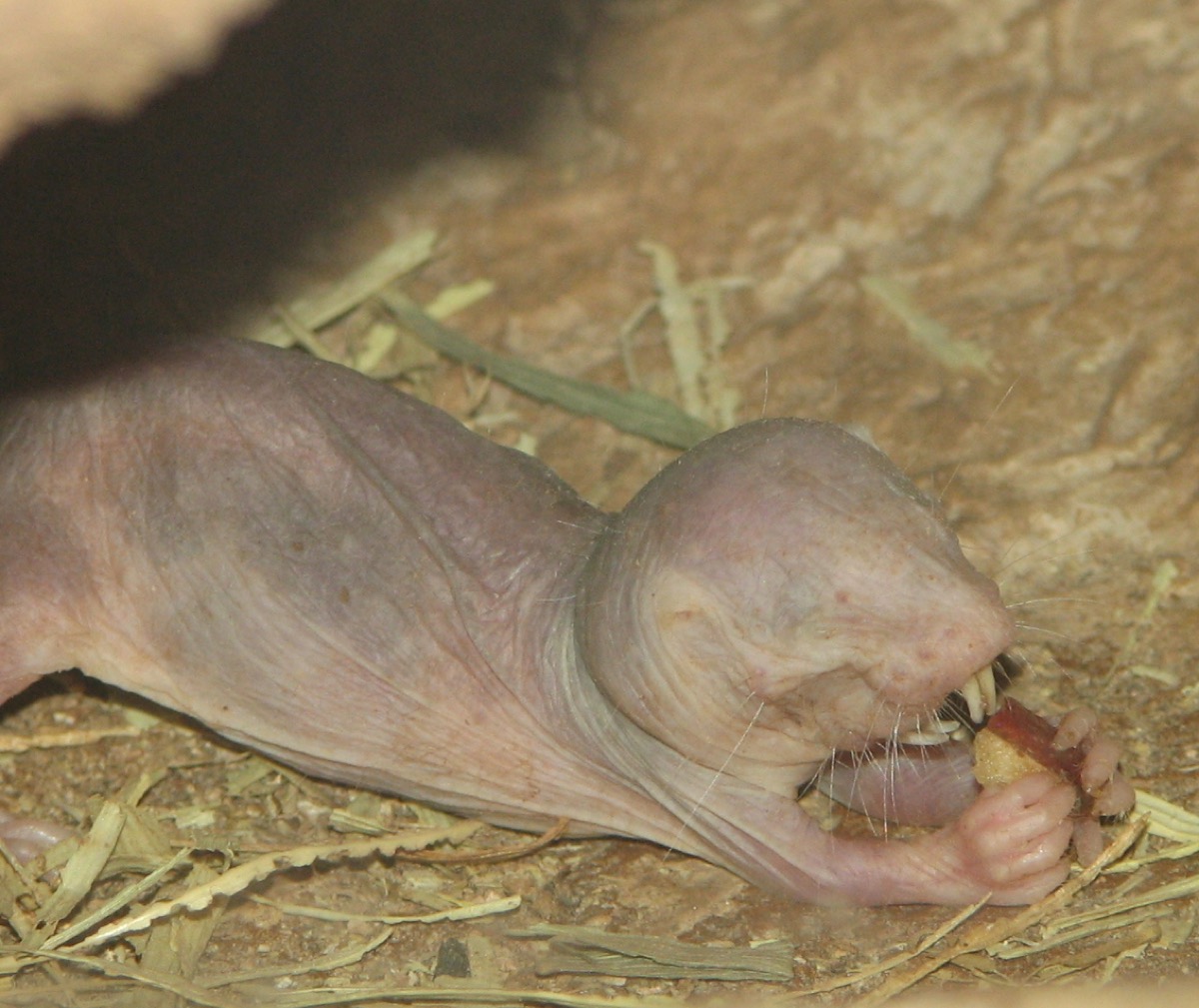
The lives in crowded burrows in Africa, in air low in oxygen and high in carbon dioxide. In any other mammal a complete absence of oxygen causes brain damage within a few minutes. What does it do differently?
It changes fuel. When the oxygen runs out entirely it switches its energy pathway over to , which carries it as far as eighteen minutes with no visible damage, and no other mammal comes close. The same burrow explains two further oddities: it is almost immune to cancer, thanks to an unusually long form of between its cells, and it feels no pain from acid or from capsaicin.
To make sense of all this animal’s oddities, start with the burrow. It lives in crowded colonies deep underground, in air low in oxygen and high in carbon dioxide, in darkness, under constant abrasion and in acidic air.
Three adaptations come out of that, and they look separate and are not. When the oxygen runs out entirely, the mole-rat switches its energy pathway from glucose to fructose, and survives as long as eighteen minutes with no visible damage. No other mammal comes close.
The second is a near-total resistance to cancer, thanks to an unusual form of hyaluronic acid of very high molecular weight, which fills the space between cells and stops them crowding together and dividing unchecked. The evidence is direct: strip it out of the cells, or disable the enzyme that makes it, and they turn as prone to going cancerous as any others.
The third is that it feels no pain from acid or from capsaicin, which also suits acidic air underground. The combination of longevity, cancer resistance and oxygen tolerance makes it a sought-after for aging and for protecting tissue in a stroke. The caveat stands: these are adaptations to very particular conditions, and nothing guarantees that what works in its cells works in human tissue.
wat. When the oxygen runs out it simply changes fuel, from glucose over to fructose.
wat wat
A combination of extreme longevity, cancer resistance and tolerance of low oxygen makes it a much-wanted model for studying aging and for protecting tissue during a stroke.
How do we know?
When researchers stripped the hyaluronic acid out of mole-rat cells, or disabled the enzyme that makes it, the cells became as prone to turning cancerous as ordinary ones.
What is still unknown
These defenses evolved for very particular living conditions, and nothing guarantees that a mechanism working in a mole-rat cell will work the same way in human tissue.
Learn something?
Where to next
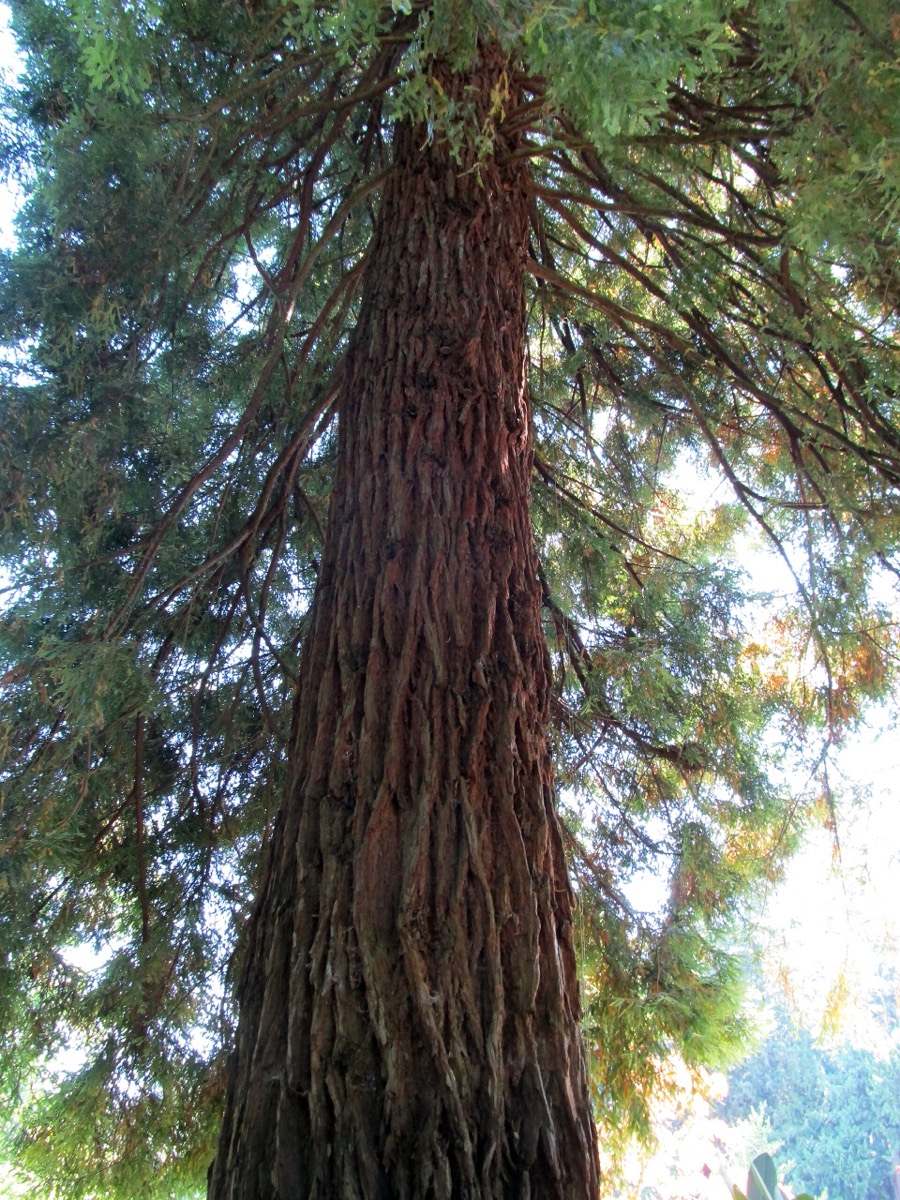 What sets the limit on how tall a tree can get?physiology
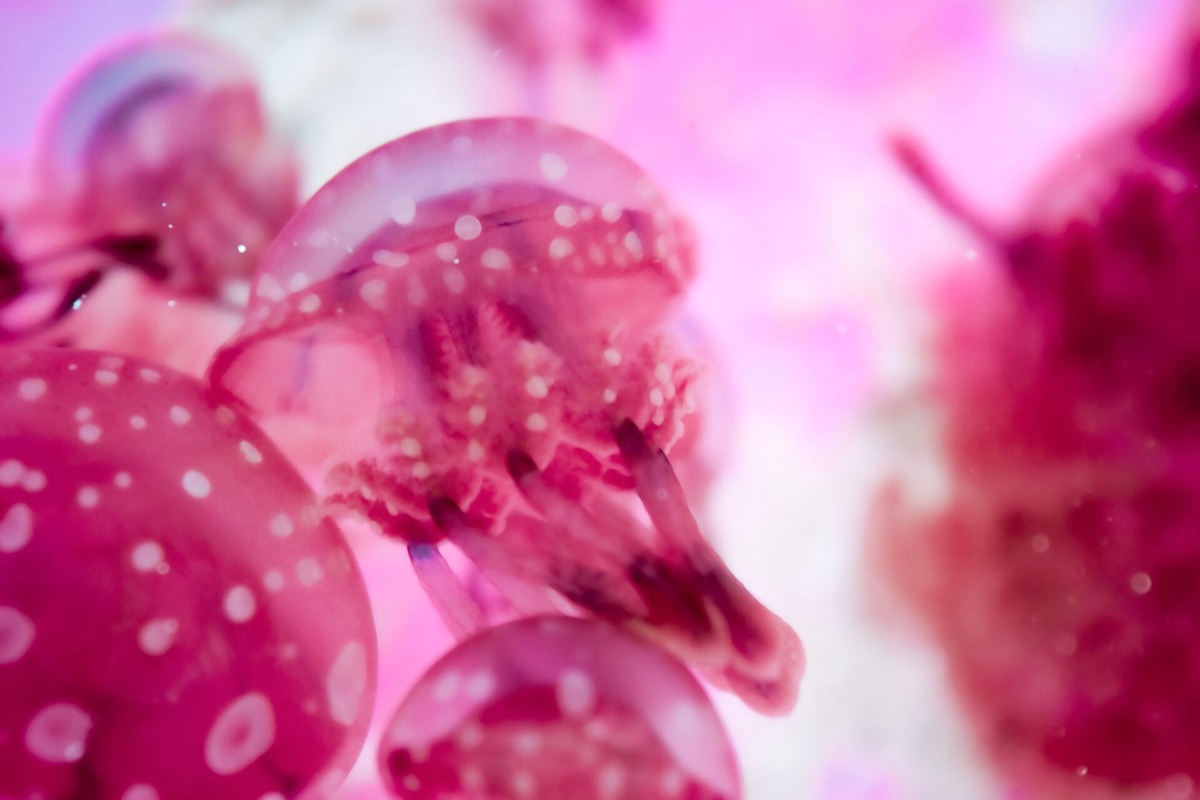 Is there an animal that can start its life over?aging
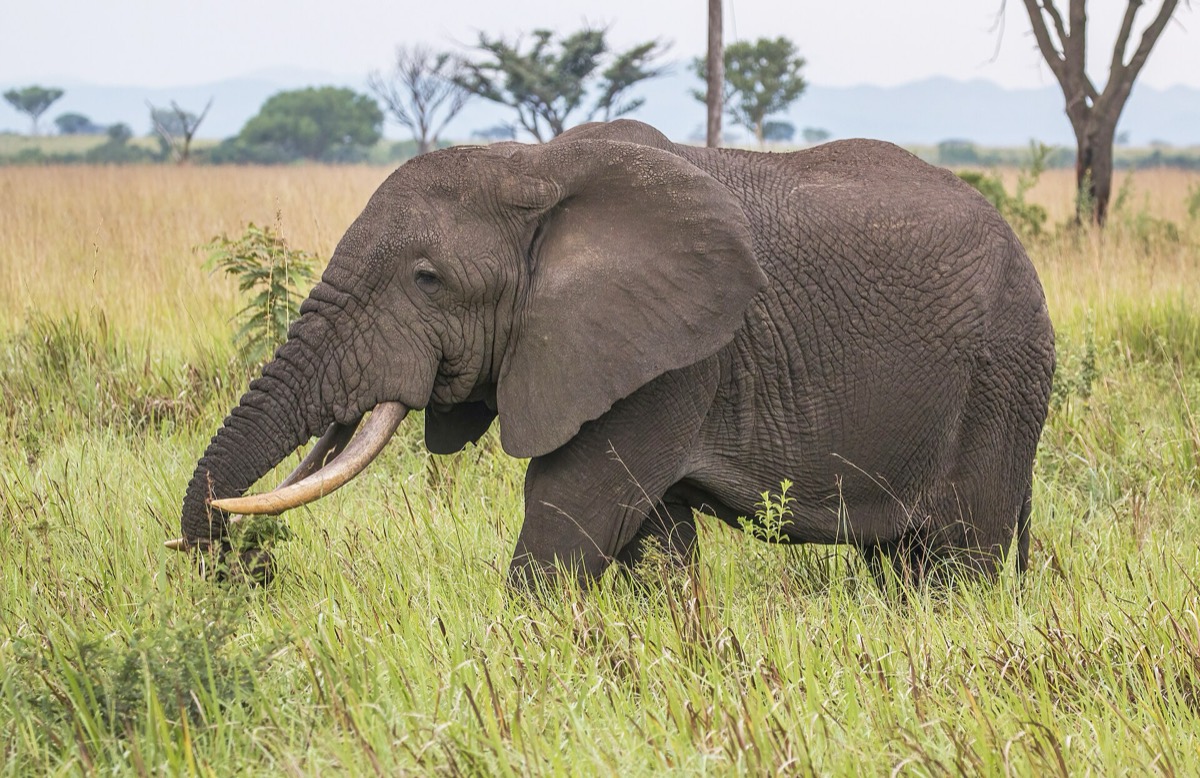 Why don’t elephants get more cancer than we do?cancer