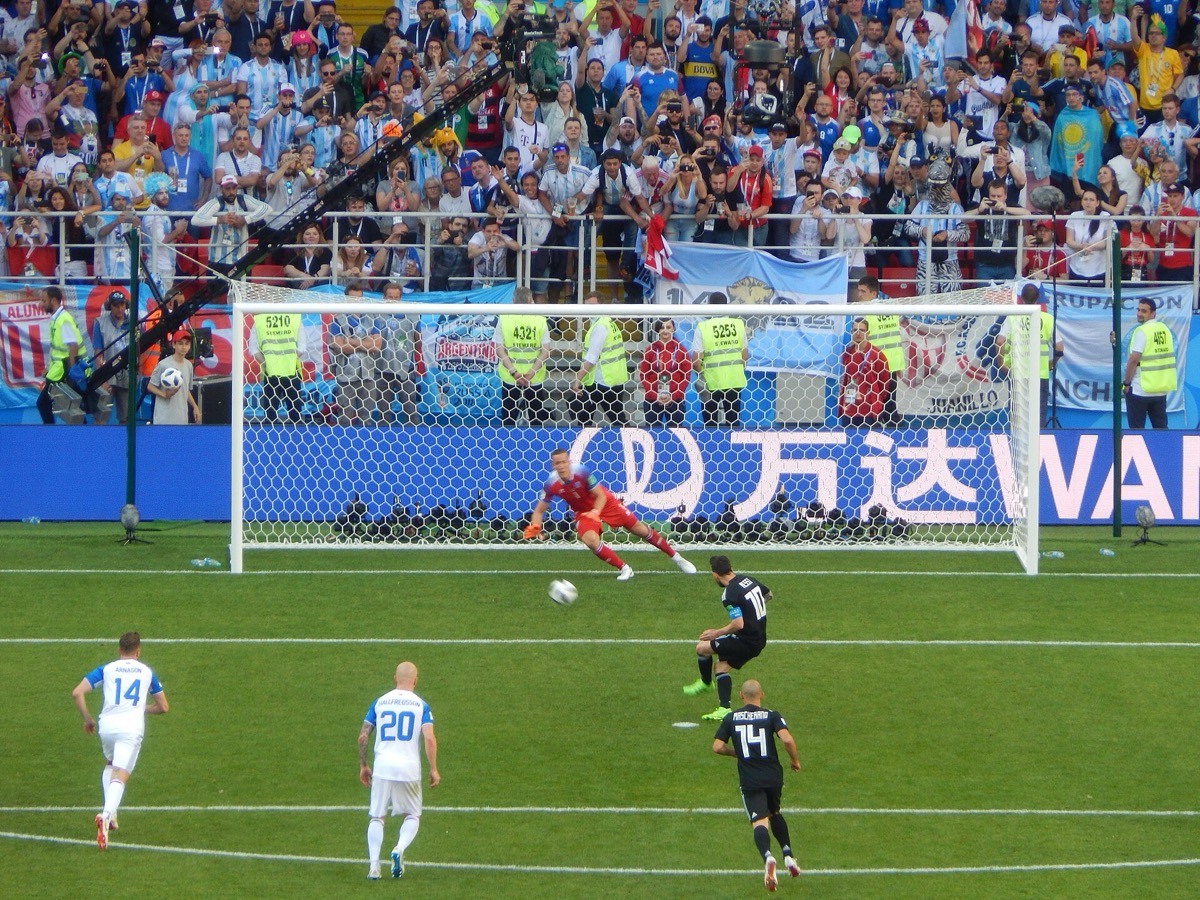
A keeper facing a penalty has to commit before the ball is struck, and the run-up is full of things to read. Most of what we know comes from players watching video clips and saying what they expect, which is not the same as diving. Whether the early information helps or hurts is what that gap hides.
Before the kicking action begins. Experienced goalkeepers moved earlier the earlier their view was cut off, and performed better in non- than in deception conditions. In deception trials, the available up until the taker initiated the kicking action actively hurt them, so the run-up was worse than nothing.
A pressing concern within the literature on anticipatory perceptual-motor behavior is the lack of clarity on how data observed under video-simulation constraints apply to actual performance, in which actions are coupled to perception. Capturing that requires experimental conditions.
The authors built such a setup. It varied how long the keeper could see the penalty taker’s actions, so as to test how easily experienced goalkeepers are fooled on a penalty kick in association football.
Keepers responded to what they were given. Irrespective of the penalty taker’s kick strategy, goalkeepers initiated movement responses earlier across consecutively earlier , and overall performance was better in non-deception trials than in deception conditions.
The useful finding is about which information to ignore. In deception trials, the kinematic information presented up until the penalty taker initiated the kicking action had a negative effect on performance. Keepers are therefore likely to benefit from not anticipating the outcome from the run-up, preferring the later information that emerges just before the kick.
wat. The run-up is where a keeper gets fooled; the kick is where the truth is.
wat wat
It tells a keeper which part of what they can see is worth trusting, which is the opposite of watch-everything advice.
How do we know?
Dicks and colleagues built an in-situ paradigm with real kicks rather than video, manipulating how much of the penalty taker’s action the keeper could see before responding.
What is still unknown
Experienced keepers in a controlled setting, with takers kicking to instruction rather than for a trophy.
Learn something?
Where to next
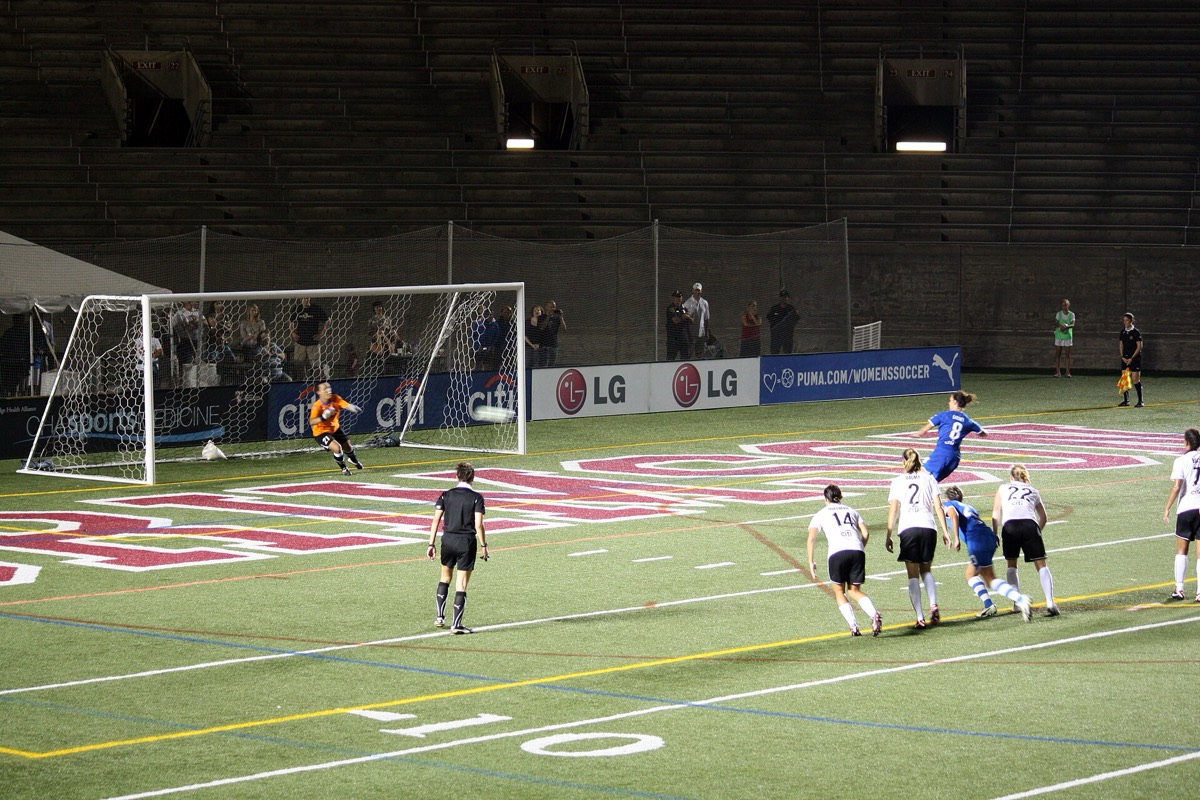 Where do the eyes go when you take a penalty under pressure?football
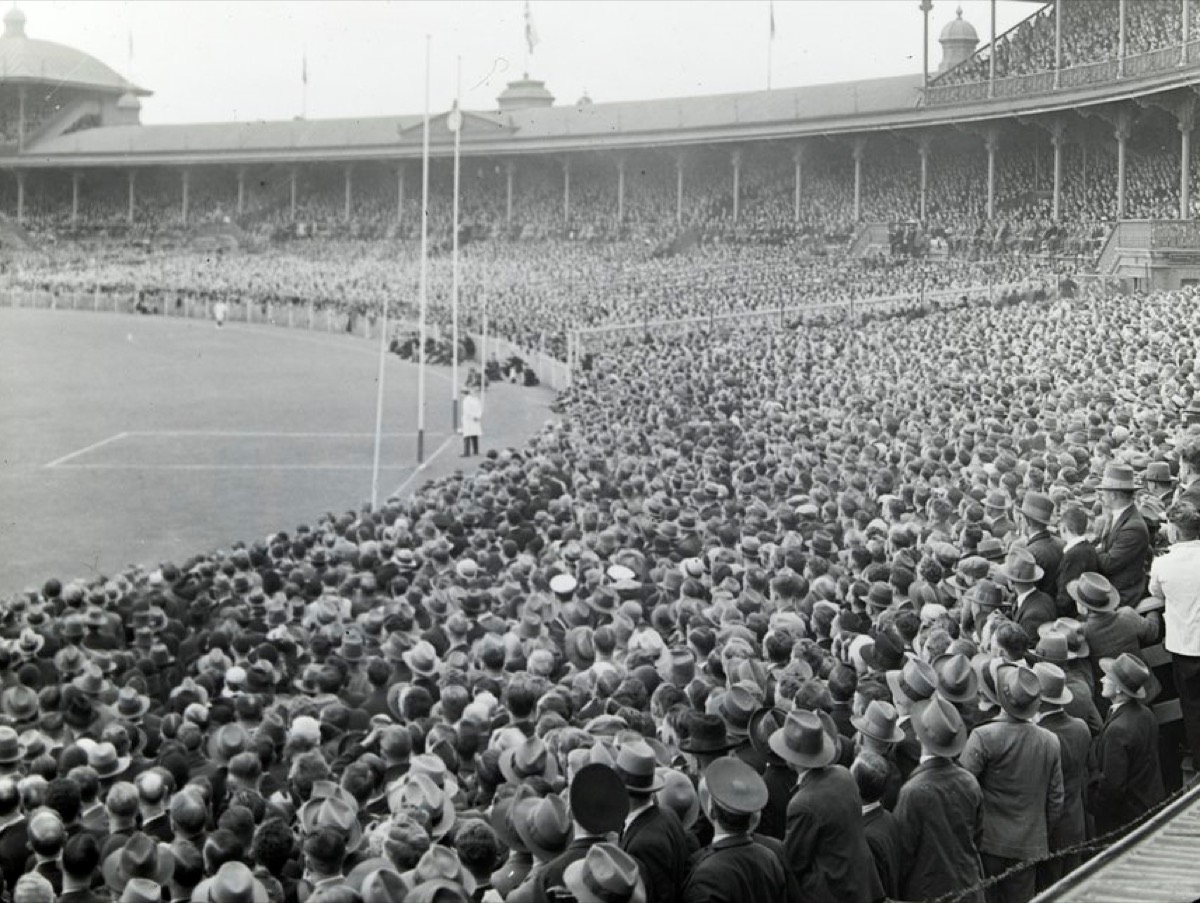 Is the crowd really the twelfth player?football
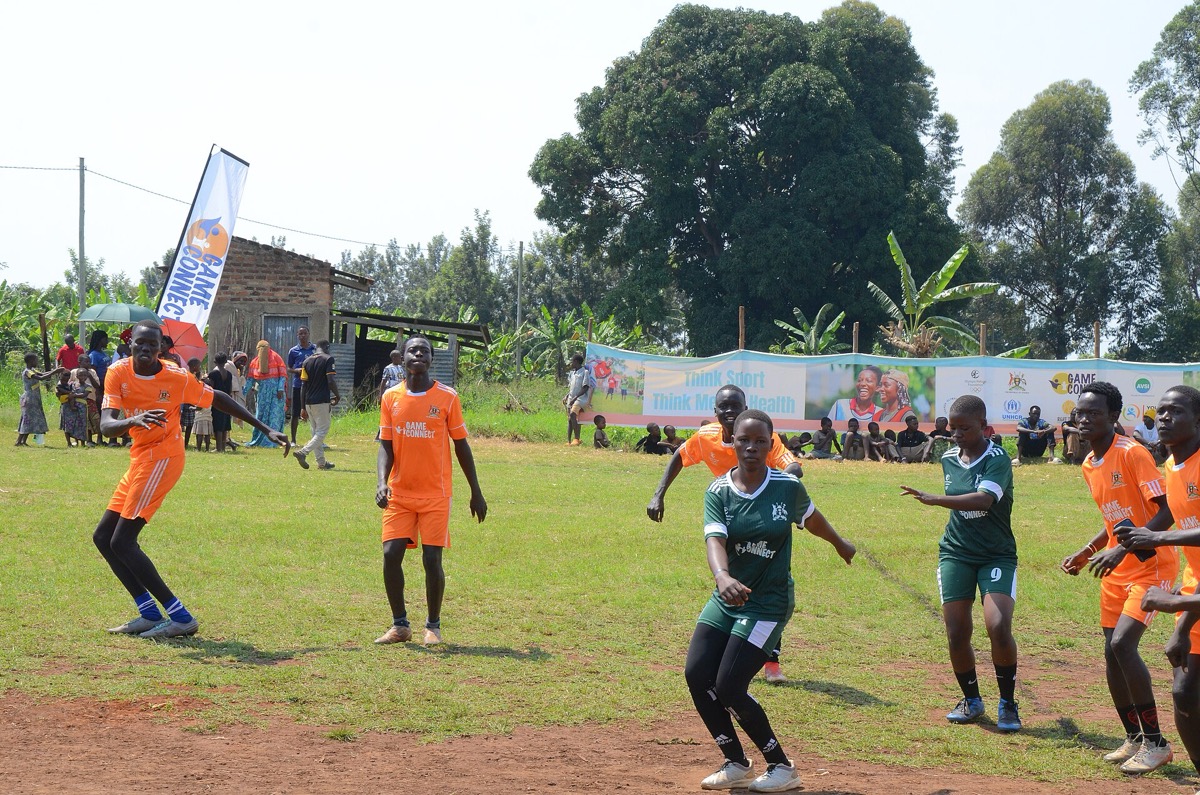 Can a regular warm-up prevent almost four in every ten injuries?football