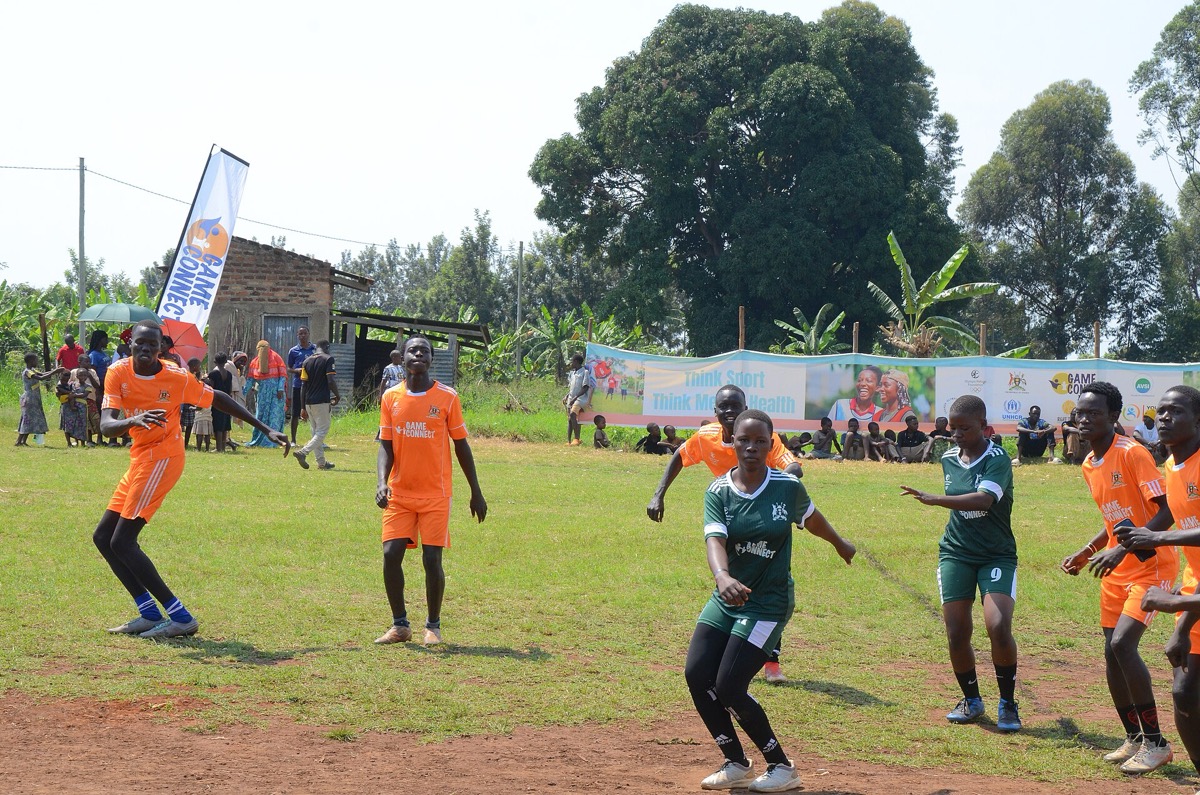
FIFA 11+ is not one stretch but a sequence of running, strength, balance and movement control done before training. Its older version, FIFA 11, showed no reduction in injuries. What did the new one do?
It cut the rate by 39%. A meta-analysis of trials in amateur football found that FIFA 11+, a before play, reduced the by that much, almost two fifths. The old FIFA 11 showed no reduction. The difference teaches that a name alone guarantees nothing: the exercises, the progression and the , meaning how regularly teams actually did the programme, are what decide.
What makes this review useful is that it did not pool everything into one average. It separated two programmes carrying a similar name: the older FIFA warm-up, and the more advanced version that replaced it. The six trials behind the comparison were , assigning whole squads. With all programmes pooled the reduction was about twenty-five per cent, and in the newer one alone it was far larger.
That separation is the finding. The old version showed no reduction in injuries, and the new one cut the injury rate ratio by about thirty-nine per cent, almost two fifths. The same name, the same general idea of warming up before training, and an entirely different result.
The difference is no mystery. The new programme is not one stretch but a sequence of running, core and leg strength, balance and landing technique, with progression in difficulty across a season. It does not bet on one exercise preventing every injury but works on several components in parallel.
And two caveats decide whether the number is relevant to you. First, it is a group average: it promises no particular player will stay uninjured. Second, everything depends on compliance, on how regularly and how fully teams actually did the programme rather than shortening it when time was tight. The trials were also mostly in amateur football.
wat. Version 11+ worked; the old version did not. The content of a warm-up matters more than the label.
wat wat
Prevention can fit into time already given to warming up, instead of waiting for an injury and treating it.
How do we know?
A systematic review pooled six cluster randomized trials and compared teams that performed the FIFA programmes with control teams.
What is still unknown
The trials were mostly in amateur football and depend on teams performing the programme regularly and accurately.
Learn something?
Where to next
 Which part of a warm-up actually prevents injuries?injuries
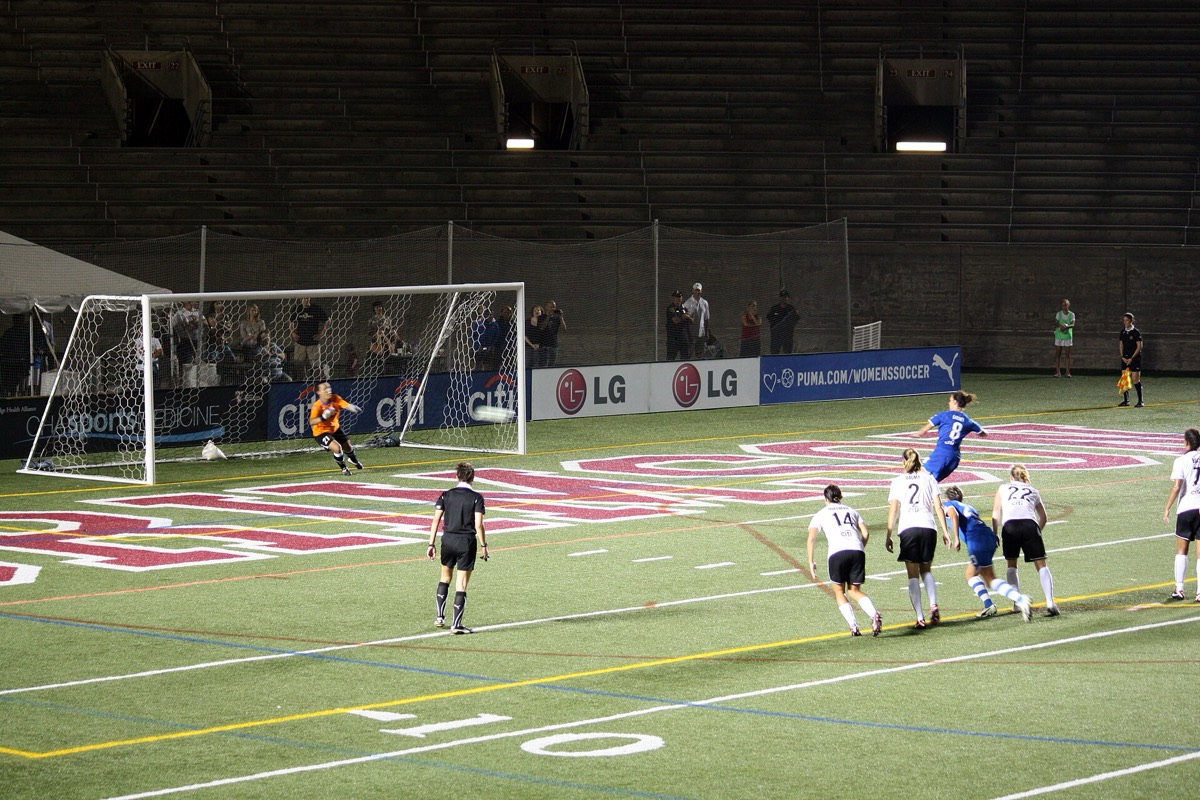 Where do the eyes go when you take a penalty under pressure?football
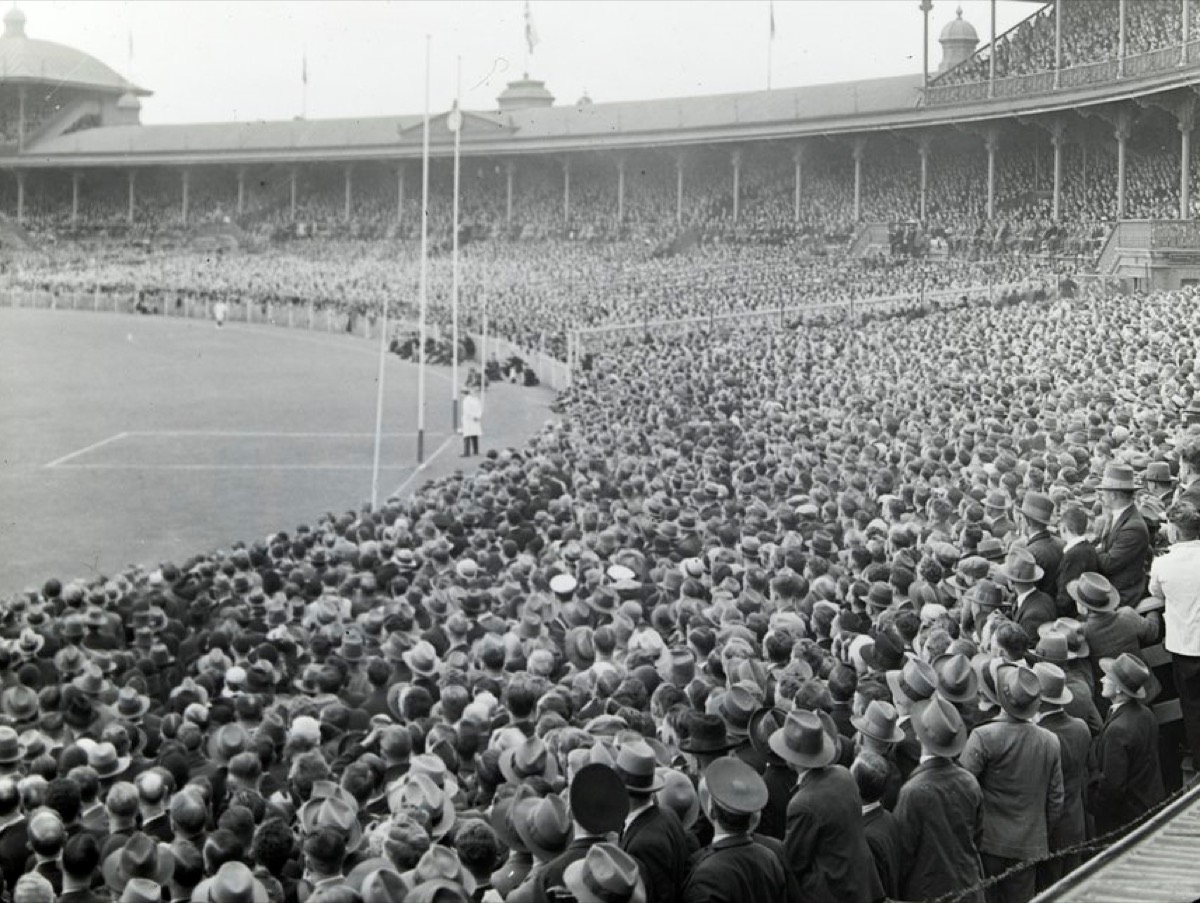 Is the crowd really the twelfth player?football