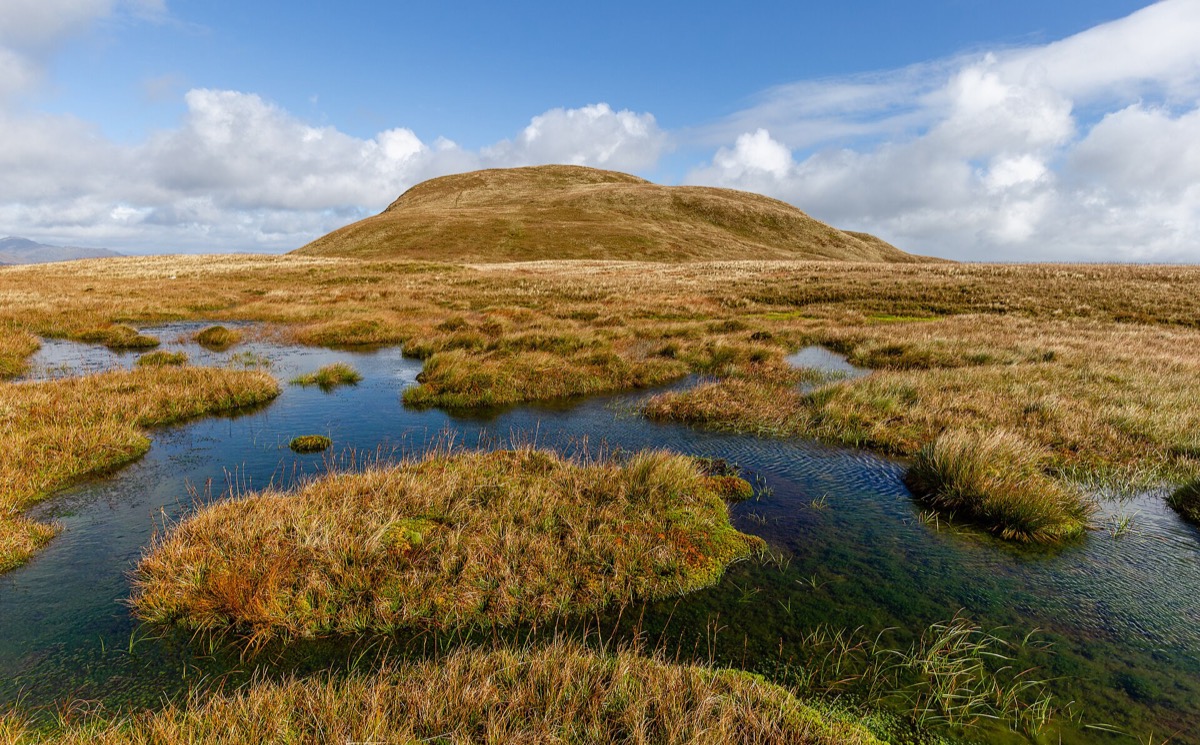
Forests are what anybody pictures when carbon storage comes up, and they are the subject of most of the pledges. are waterlogged ground where dead plant matter cannot fully decay, so it accumulates instead. They occur in almost every country and almost nobody campaigns for them. The UN Environment Programme puts the comparison in a headline, and the ratio is not close.
Twice the carbon of all the world’s forests, from about 3 percent of the land. Peatlands cover only about 3 percent of the planet’s land surface, while accounting for nearly half the world’s wetlands, and they store twice as much carbon as every forest combined. Around 15 percent of them have been , which covers less than 0.4 percent of the global land surface, and that drainage releases what the peat had been holding.
Peatlands are a type of wetland that occurs in almost every country on the globe, built on a simple accident of chemistry. Waterlogged ground stops dead plant matter from fully decaying, so it accumulates rather than returning to the air. They cover only about 3 percent of the planet’s land while accounting for nearly half the world’s wetlands.
The comparison UNEP leads with is the carbon. Peatlands store vast amounts of it, twice as much as all the world’s forests. Conserving, protecting and restoring them is therefore a way to reduce emissions and revive an essential ecosystem. Its role as a natural heads a long list of services.
They have not been treated that way. UNEP attributes severe overexploitation to a lack of appreciation and awareness, through drainage, agricultural conversion, burning and mining for fuel. About 15 percent of the world’s peatlands have been drained, covering less than 0.4 percent of the global land surface, which has released huge amounts of greenhouse gases from the carbon stored in peat soils.
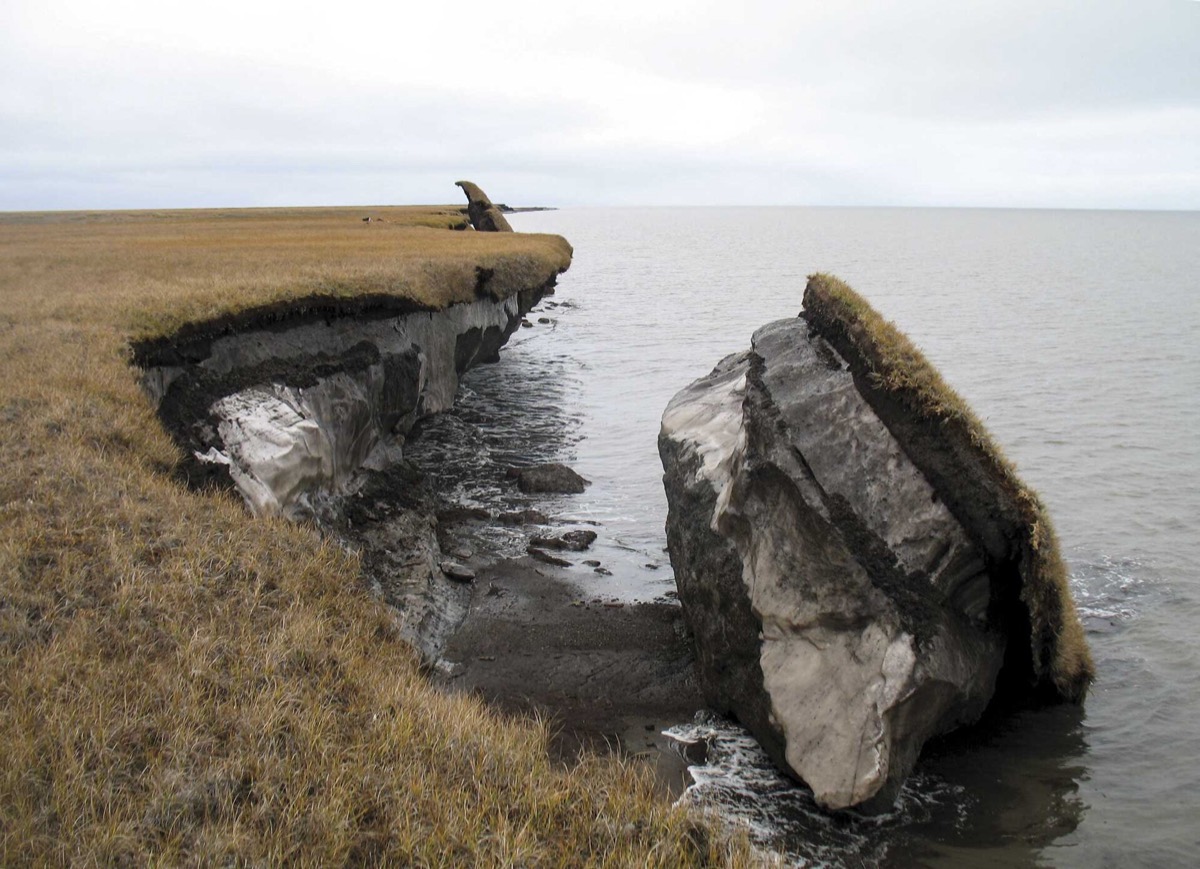
The accounting is stark. When drained or burned, peatlands go from carbon sink to carbon source, releasing centuries of stored carbon. Carbon dioxide emissions from drained and burned peatlands equate to 10 percent of all annual fossil fuel emissions. UNEP’s peatlands expert Dianna Kopansky notes that these emissions can and should be avoided, and that 35 percent of wetlands have been lost since 1970. She also flags in the frozen north as an emerging concern should the ice protecting them melt.
wat. Peatlands hold twice the carbon of every forest on Earth, and the drained fraction already emits a tenth of what fossil fuels do.
wat wat
The emissions figure is the one to keep. Carbon dioxide from drained and burned peatlands equates to 10 percent of all annual fossil fuel emissions, from a drained area amounting to less than half a percent of the planet’s land.
How do we know?
UNEP sets out the figures for peatland extent and carbon storage, the share drained, and the resulting emissions, quoting its own peatlands expert Dianna Kopansky and describing the Global Peatlands Initiative.
What is still unknown
A UN agency story published for World Wetlands Day, which is advocacy as well as information. The figures are presented without the underlying studies attached, and the permafrost peatland concern is described as an emerging issue rather than a measured one.
Learn something?
Where to next
 Does the Amazon still absorb more carbon than it releases?carbon
 What comes out of the frozen ground of the north when it thaws?carbon
 Can planting trees warm a place rather than cool it?carbon