
On Valentine’s Day in 1990, turned around and photographed the planet it had left. The picture is famous for what it shows, which is almost nothing: Earth as a speck inside a band of scattered sunlight. The number that gives it meaning is the distance.
3.7 billion miles, or 6 billion kilometers, from the Sun. Earth is visible as a bright speck within the just right of center, appearing softly blue as in the version published in 1990. The image gave the title of his book and the line: that’s here, that’s home, that’s us.
The Pale Blue Dot is a photograph of Earth taken on Valentine’s Day 1990 by NASA’s Voyager 1, at a distance of 3.7 billion miles, or 6 billion kilometers, from the Sun.
What it contains is minimal and exact. Earth is visible as a bright speck within the sunbeam just right of center, and it appears softly blue, as in the original version published in 1990.
The picture became an argument. It inspired the title of Carl Sagan’s book Pale Blue Dot: A Vision of the Human Future in Space, in which he wrote: look again at that dot, that’s here, that’s home, that’s us.
Thirty years later it was rebuilt rather than replaced. An was released in 2020 using modern image-processing software, processed by JPL engineer Kevin M. Gill with input from two of the image’s original planners, Candy Hansen and William Kosmann, while attempting to respect the original data and the intent of those who planned the images.
wat. Earth from 6 billion kilometers out is a speck inside a sunbeam.
wat wat
It is the only photograph taken expressly so that people could see the scale they live at.
How do we know?
NASA records the date, the spacecraft, the distance and the provenance of the image, including the 2020 reprocessing for its thirtieth anniversary.
What is still unknown
This is a NASA image record, so it fixes the facts about the photograph rather than making any claim beyond them.
Learn something?
Where to next
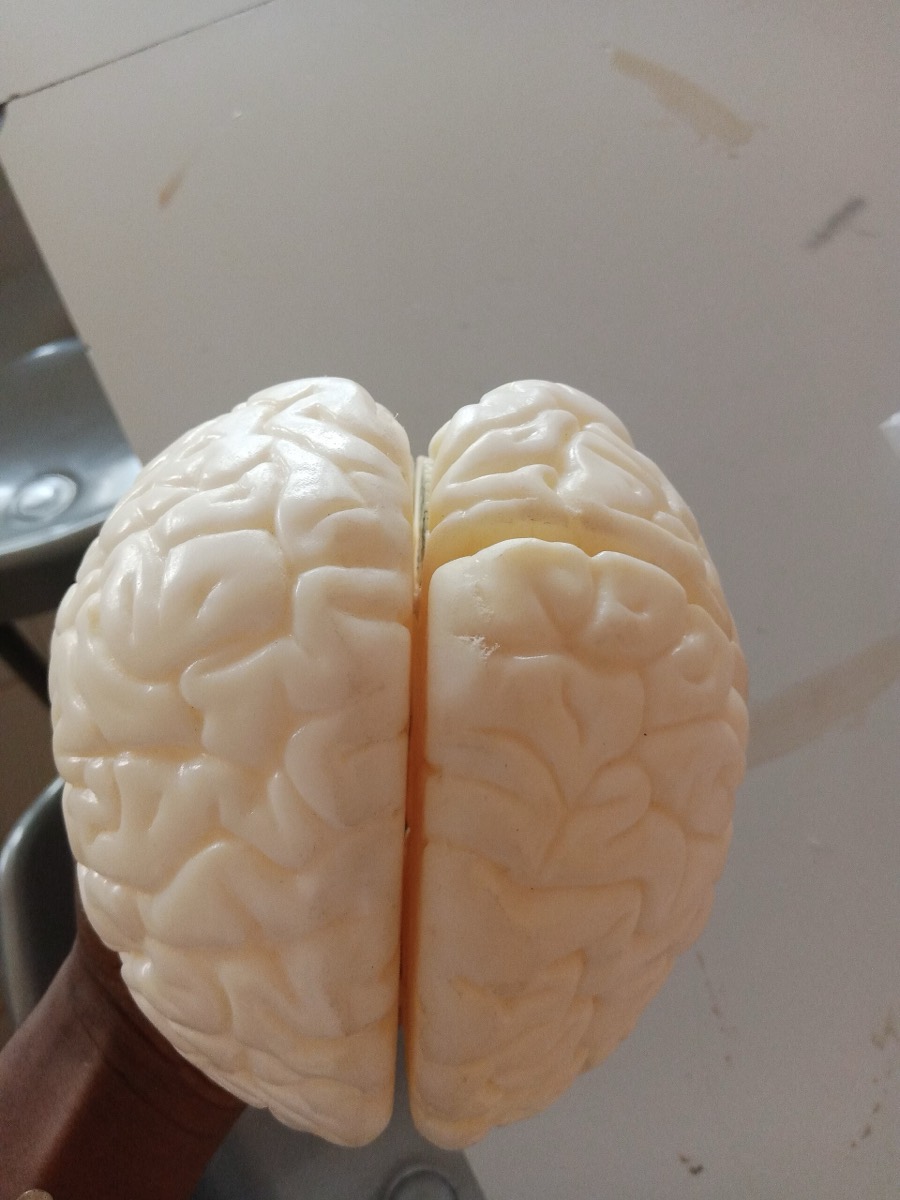 Are some people really "right-brained" and others "left-brained"?imaging
 How do you find paint that is no longer there?imaging
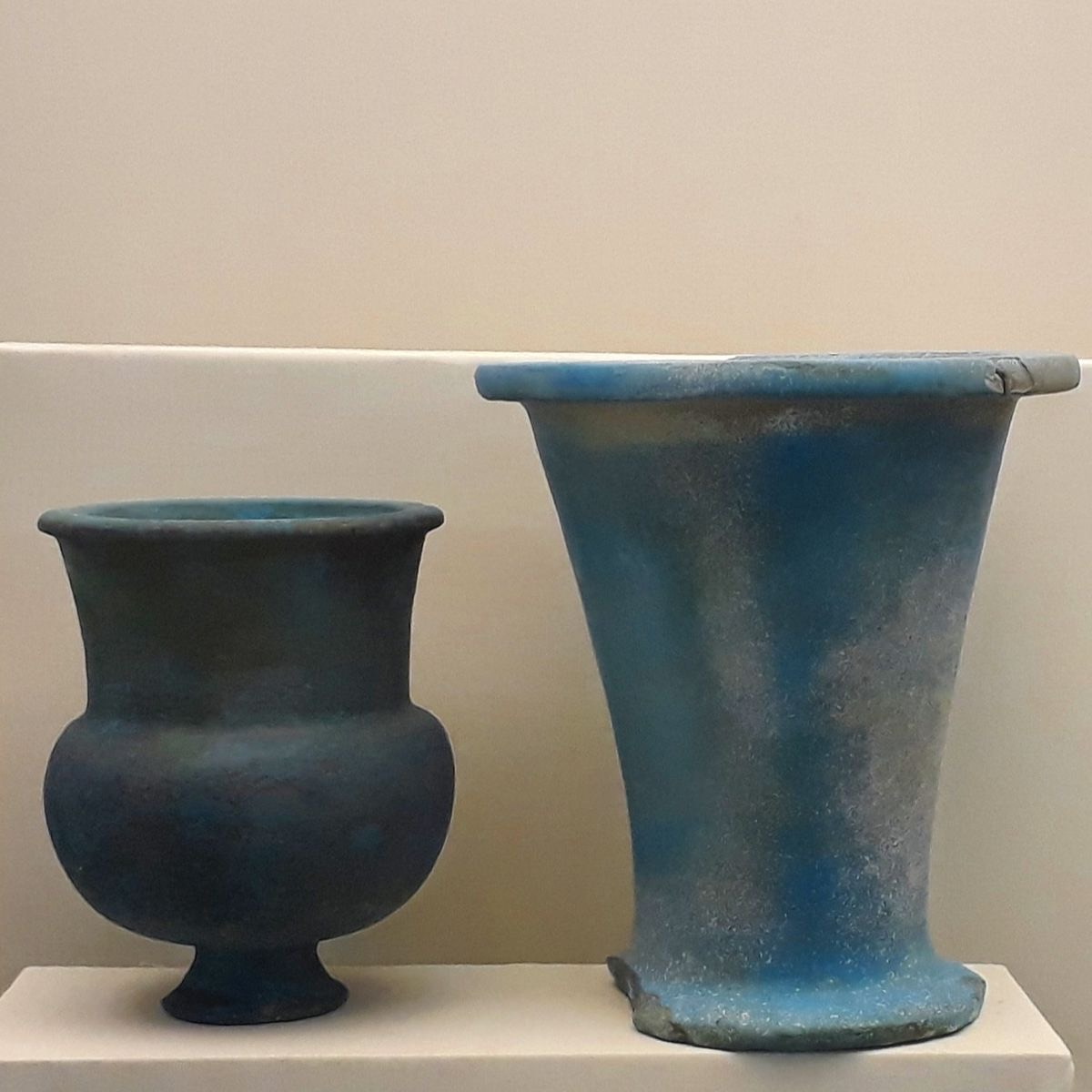 How do you find a color that has worn away?imaging