turn up in every known society, and what they do for the people who hold them has been argued over for a century. Field observers have long suspected that the effect reaches the audience and not only the performers. offers a way to look for it without asking anyone how they felt.
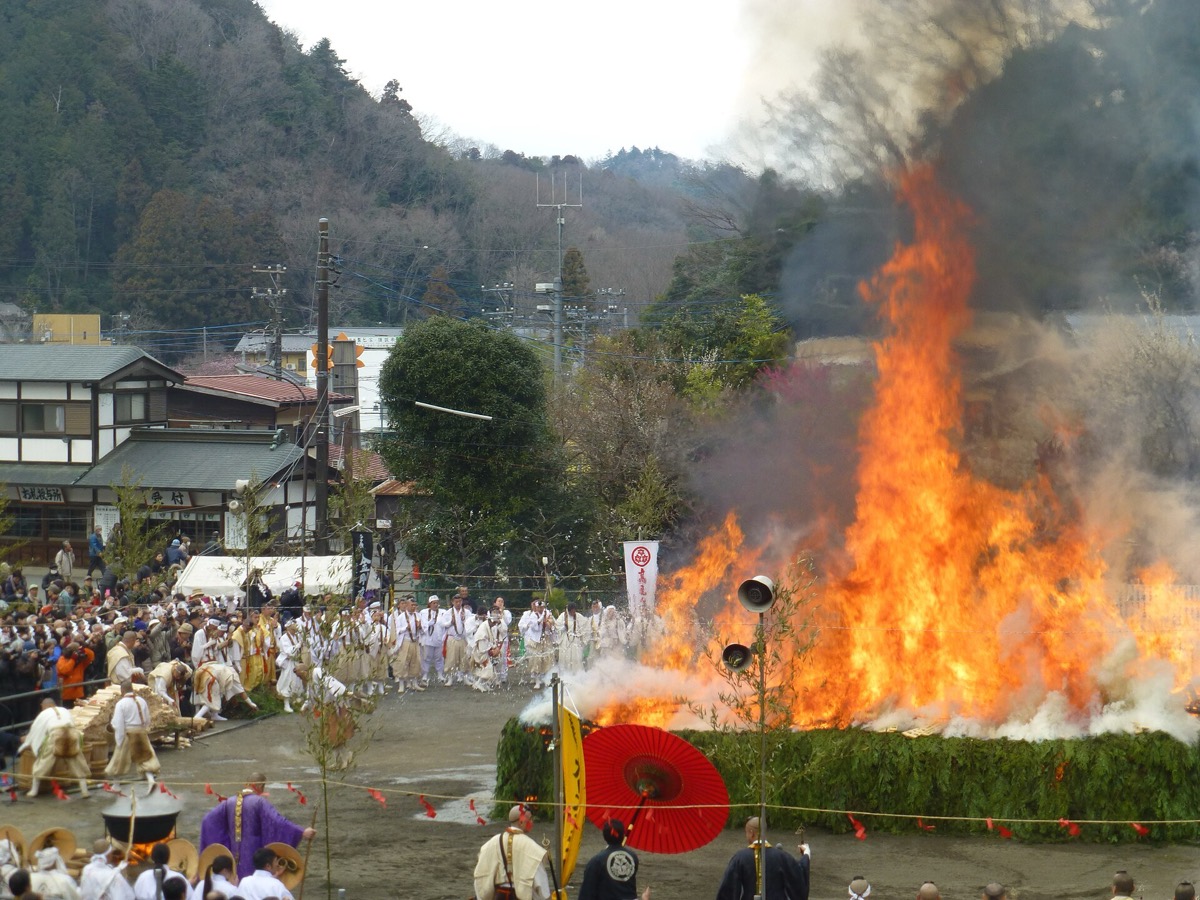
Their relatives’ hearts did. In a Spanish fire-walking ritual, heart rate data from 38 of the people present showed fine-grained commonalities between fire-walkers and the spectators related to them. Unrelated spectators in the same crowd showed no such match, and the walkers and the watchers were doing entirely different things with their bodies.
Collective rituals are present in all known societies, but their function is a matter of long-standing debates. Field observations point to greater social cohesion, and to effects that are not limited to those actively performing but reach the audience as well.
This study looked for that reach in the body. The authors report physiological effects of synchronized arousal in a Spanish fire-walking ritual, between active participants and , but not between participants and other members of the audience.
Arousal was assessed by heart rate dynamics, with nonlinear mathematical analysis applied to data from 38 of the people taking part. went on individual records and the cross-recurrence version on pairs, which identified fine-grained commonalities of arousal through a ritual lasting half an hour.
The mediating mechanism may therefore be informational rather than bodily, because participants and related observers behaved very differently: one group walked across hot coals and the other sat and watched. It links field observations to a physiological basis and offers a way to quantify social effects on human physiology during real-world interactions.
wat. Across the coals, only family matched the walker’s heart.
wat wat
It gives a physiological handle on something ethnographers could previously only describe.
How do we know?
Konvalinka and colleagues recorded heart rate through a ritual lasting half an hour and compared pairs of people using recurrence quantification analysis, which looks for shared structure over time rather than a shared average.
What is still unknown
One ritual in one town, and shared arousal rather than any particular feeling.
Learn something?
Where to next
What happened to the pulse of the spectators at a firewalking ritual?ritual Can a painful ritual raise generosity toward a community?ritual
 Does walking in step actually make us cooperate?ritual