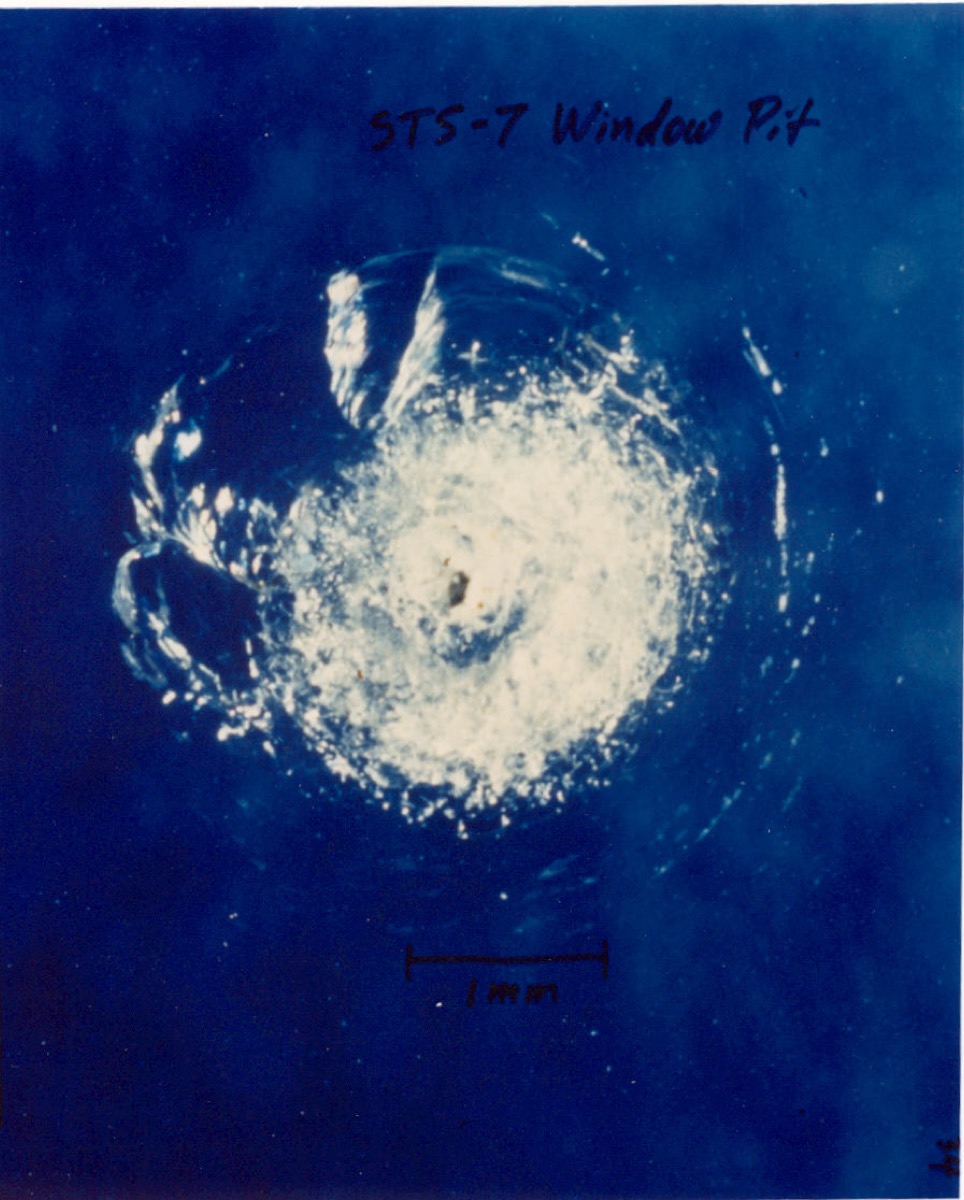
Most space debris large enough to cause a catastrophic collision, meaning larger than 10 cm, comes from the more than 500 on-orbit fragmentation events in spaceflight history. Launches add to the population. The worrying part is what the population does on its own once it is dense enough.
The debris itself. Simulations indicate that within a few decades collision fragments will dominate, at least in orbits around 800 to 1,400 km, and this will be true even if all launch activity stopped now. Fragments hit intact objects, those fragments hit other intact objects, and the process runs away.
Space debris is defined as all non-functional artificial objects in Earth orbit or re-entering the atmosphere, and human-made debris dominates the natural meteoroid environment except around millimetre sizes. More than 6,000 launches have placed around 10,000 satellites in orbit, of which about 6,000 remain and only some 3,900 still work.
Most of the dangerous population was not launched as such. The majority of catalogued objects originate from on-orbit break-ups, more than 500 events, plus fewer than 10 known on-orbit collisions.
The simulations point somewhere worse. Within a few decades generated collision fragments will start to dominate, at least in orbits around 800 to 1,400 km. That holds even if all launch activities were discontinued now. The run-away process is known as the , and it starts where debris is dense and too thin to clean up.
The counter-measures are known and demanding. Successful of all spacecraft would limit break-ups, and adoption of effective disposal strategies above 90 percent would help contain growth for traditional satellites. For large constellations in low orbit, a stable evolution needs a of at least 95 percent.
wat. Stop every rocket today and the collisions keep multiplying.
wat wat
A process that continues without new launches cannot be fixed by launching less.
How do we know?
ESA’s Space Debris Office answers this directly in its FAQ, drawing on long-term simulations of the environment and on studies run across all 13 member agencies of the Inter-Agency Space Debris Coordination Committee.
What is still unknown
Long-term simulations, extrapolating current trends rather than observing the cascade.
Learn something?
Where to next
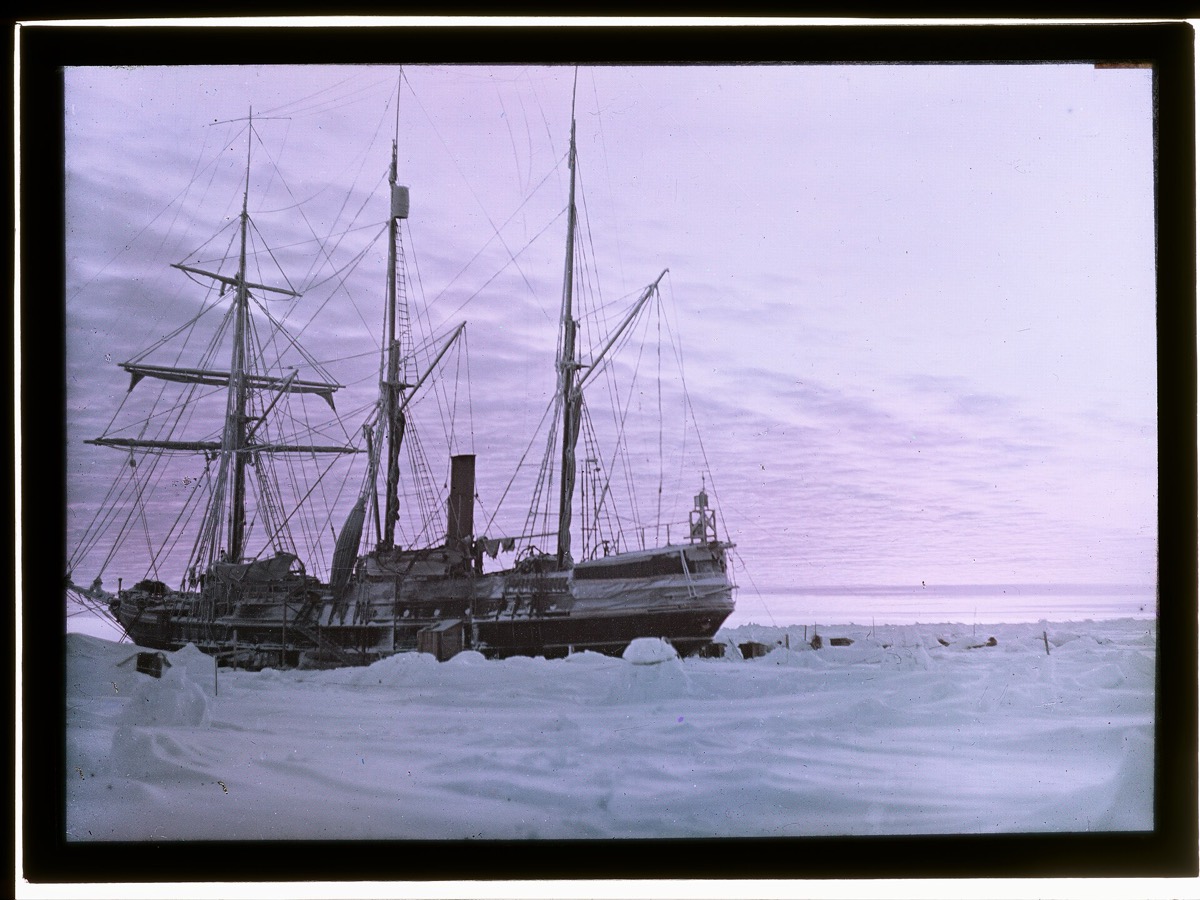 How do you find a ship that sank under moving ice a century ago?satellites
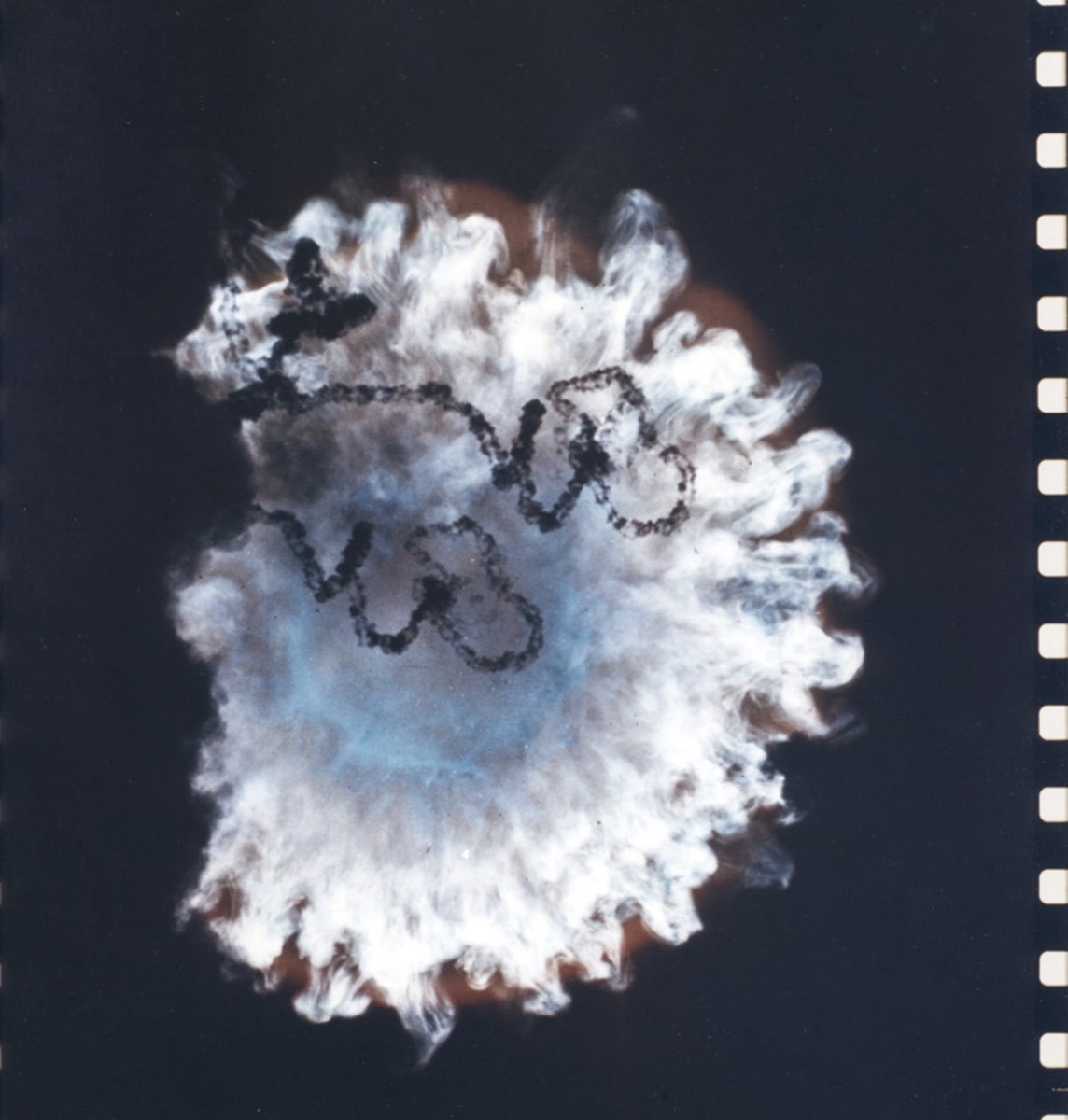 What happened when a country detonated a nuclear weapon four hundred kilometers up?satellites
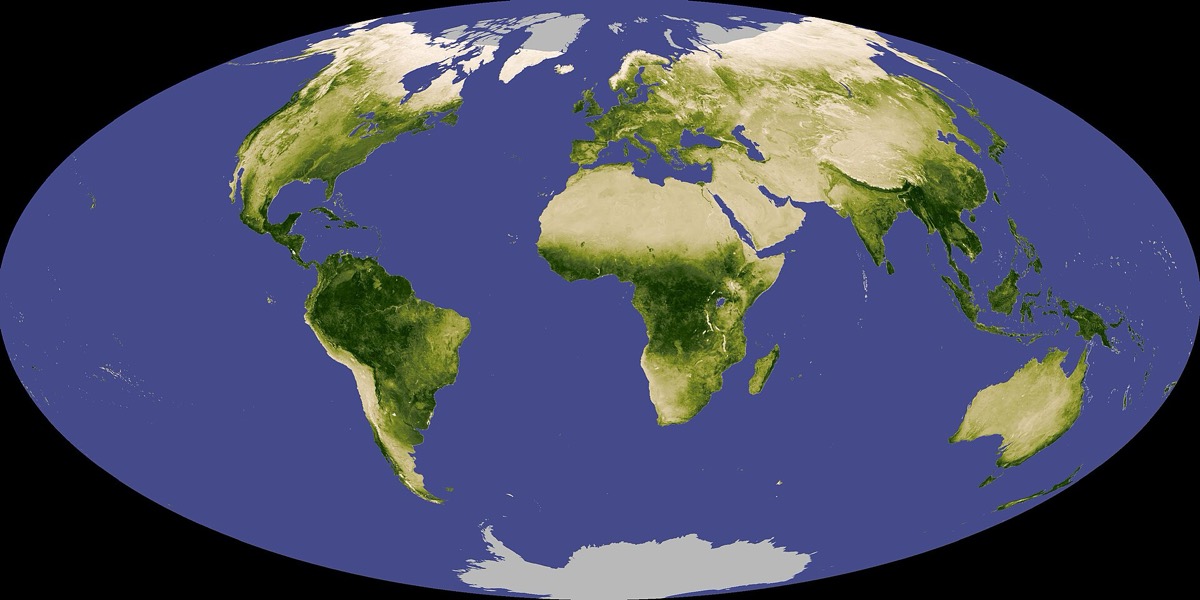 Has the Earth been getting greener, and if so why?satellites