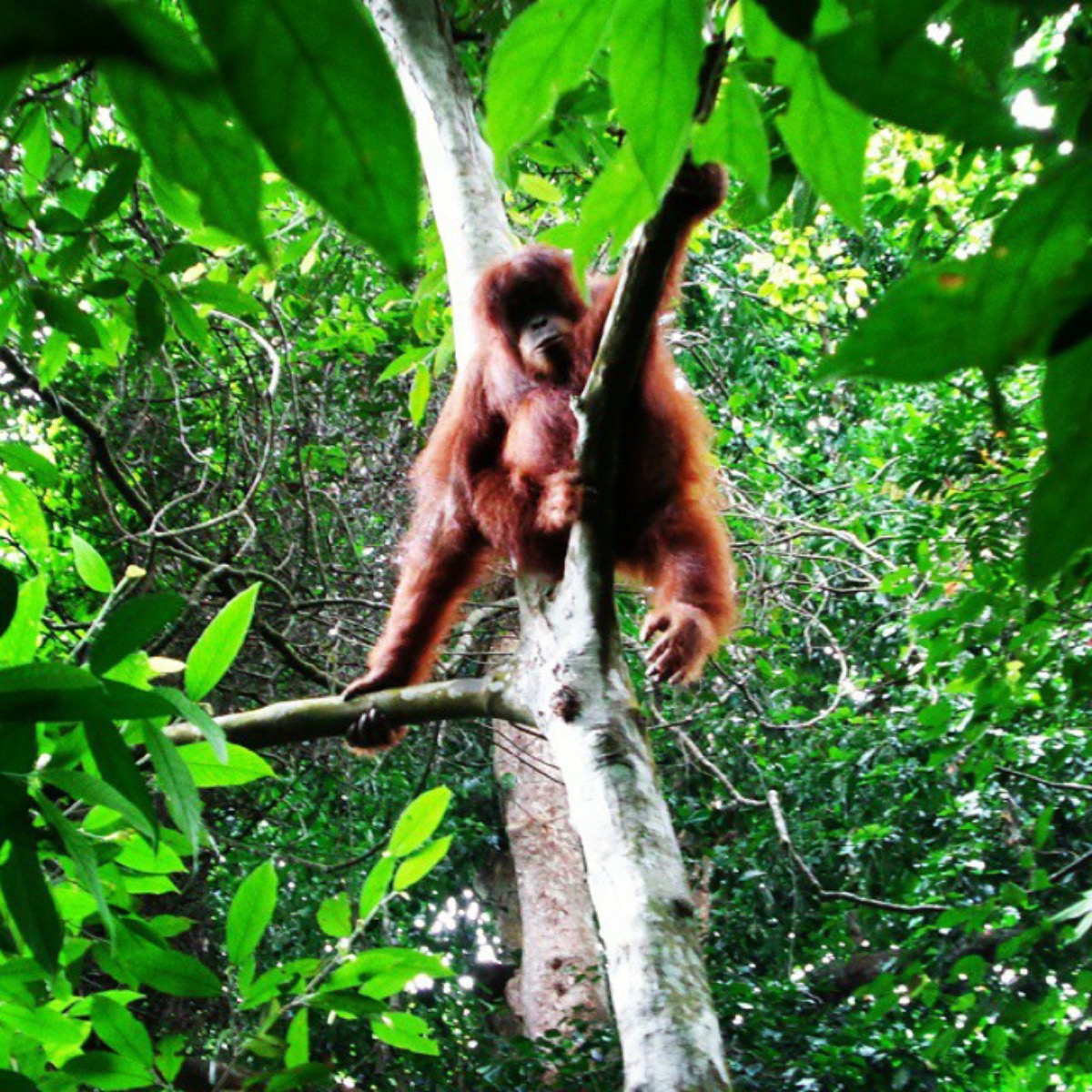
turns up across the primates in forms like swallowing whole leaves, chewing bitter pith and rubbing fur, and all of those are things an animal does to itself generally rather than to an injury. Active treatment of a wound has exactly one prior report, in chimpanzees. Then a male Sumatran orangutan at a research site took a facial wound, and observers watched what he did over the following days. What did he reach for?
A specific , applied deliberately. Three days after the injury he selectively ripped leaves from Akar Kuning, , chewed them, and repeatedly applied the juice to the wound on his face. He finished by covering the wound completely with the chewed leaves. The plant and its relatives are used in traditional medicine across Southeast Asia, and their chemistry includes compounds with antibacterial and anti-inflammatory activity.
Self-medication is documented across African great apes, orangutans, gibbons and a range of monkeys, in forms like whole leaf swallowing, bitter pith chewing and fur rubbing. Documenting it systematically is hard, because nobody can predict when an animal will do it. Only one prior report covers active treatment of an actual wound, in chimpanzees.
A male Sumatran orangutan at a research site sustained a wound on his face. Three days later he began ripping leaves off a liana, selectively, leaving the rest of the plant and the other plants around him alone.
He chewed the leaves and applied the resulting juice to the wound, repeatedly. As a last step he covered the wound entirely with the chewed leaf material, which amounts to a dressing. The sequence is specific enough that it is hard to read as grooming or as accident.
The plant was Fibraurea tinctoria, known locally as Akar Kuning and used in traditional medicine across Southeast Asia for dysentery, diabetes and malaria. Published chemical work finds furanoditerpenoids and in it, compounds with antibacterial, anti-inflammatory, antifungal and antioxidant activity of direct relevance to a healing wound. It remains one observation of one animal, and the authors present it as such.
wat. He chose one liana out of a forest, chewed it, painted the juice on, and then dressed the wound with the pulp.
wat wat
It is the first systematically documented case of a wild animal treating a wound with a plant known to carry biologically active compounds, which puts a floor under how old wound care might be.
How do we know?
Laumer and colleagues observed a wild male Sumatran orangutan after a facial injury, recorded which plant he selected and what he did with it, and drew on published chemical analyses of that species.
What is still unknown
One animal, one wound, one occasion. Nothing here shows the orangutan understood the plant would help, and a single observation cannot separate a treatment from a coincidence.
Learn something?
Where to next
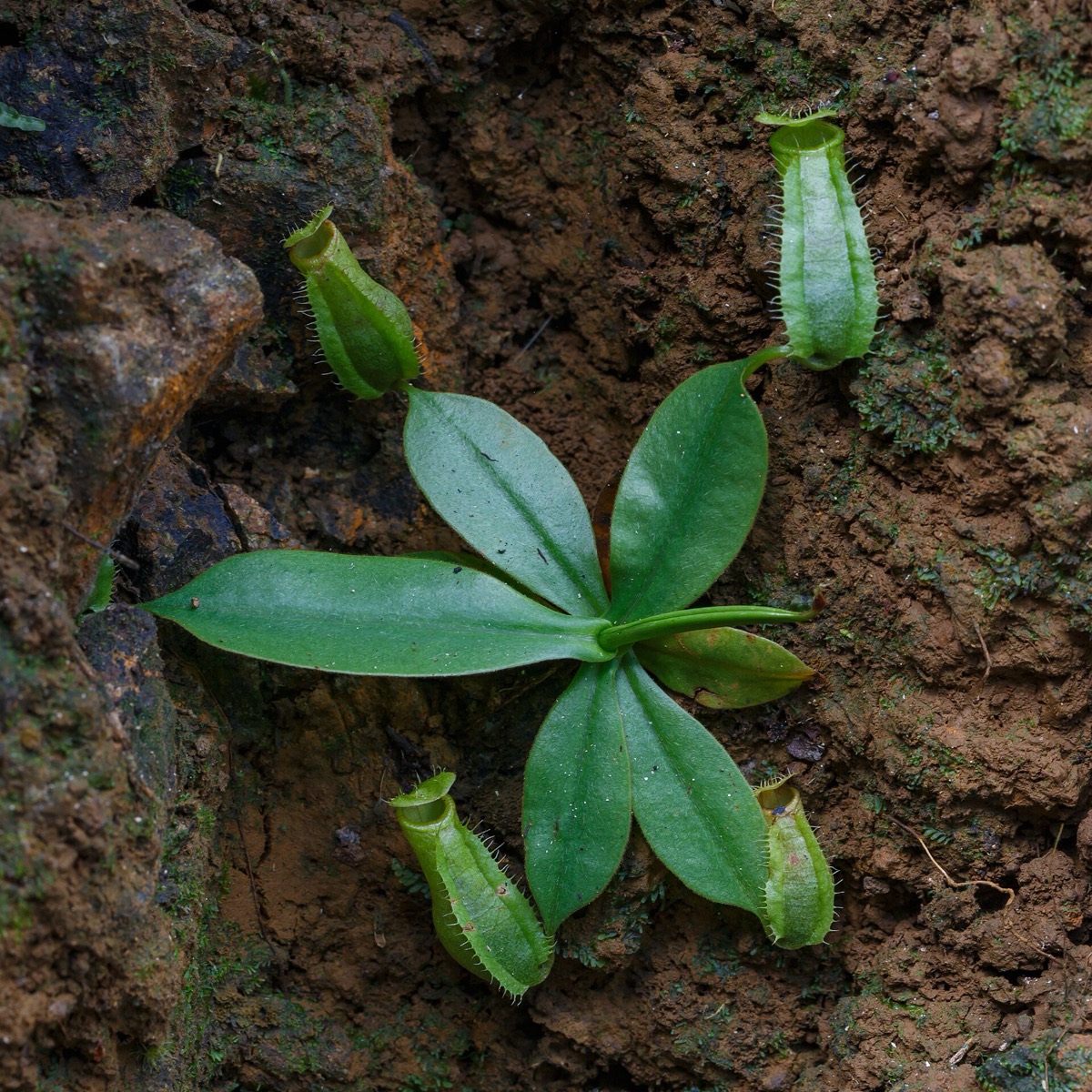 Where exactly does an ant lose its footing on a pitcher plant?plants
 Does a plant under stress make any sound you could pick up?plants
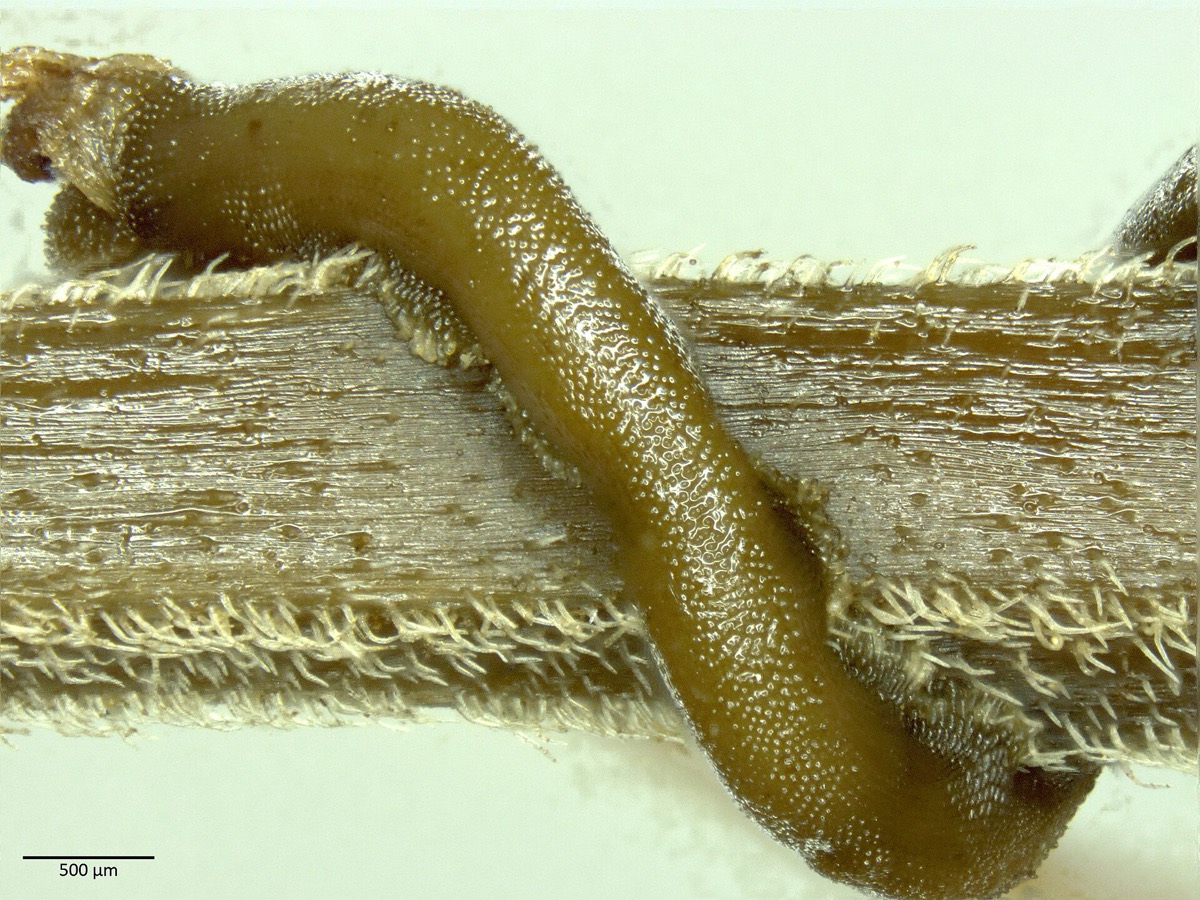 Does a parasitic vine know which plant it is growing toward?plants