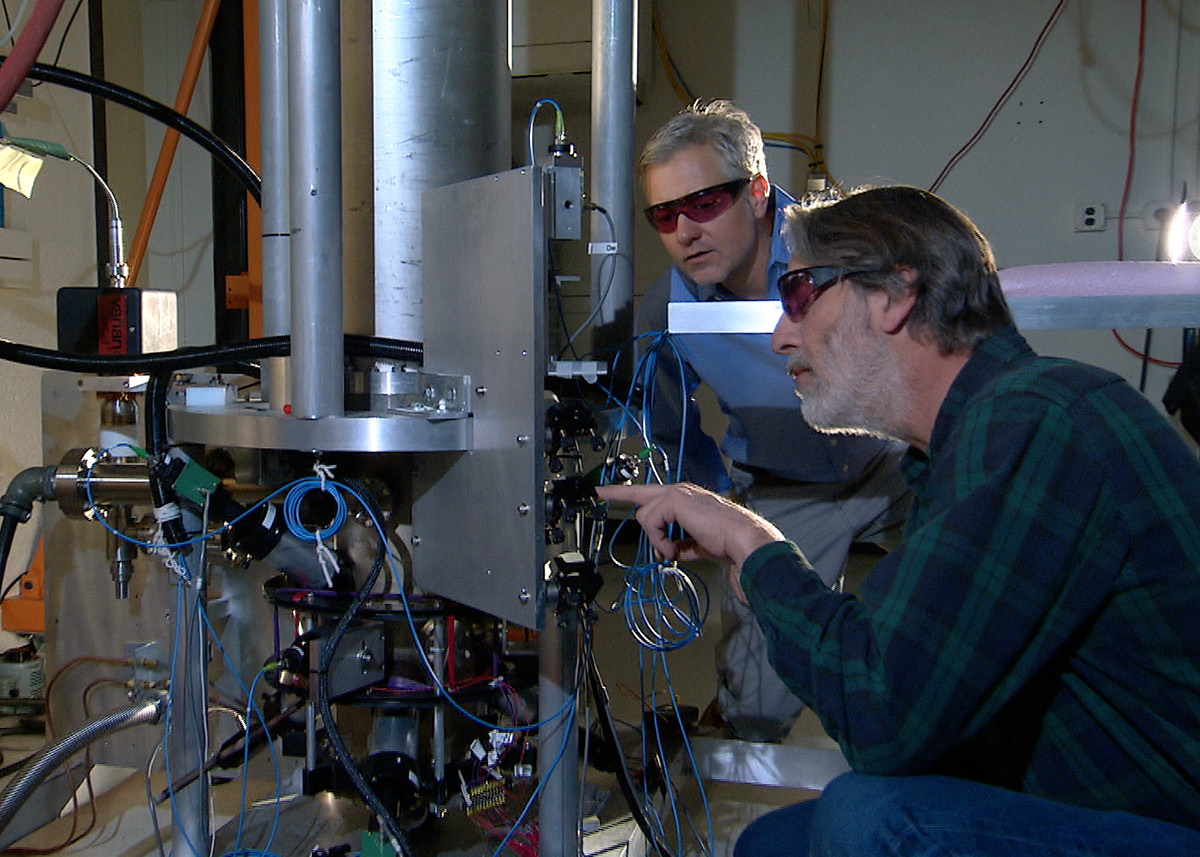
Relativity says two clocks disagree if one moves relative to the other, or if one sits deeper in a gravitational field. Both predictions had been checked, but with spacecraft speeds and with clocks carried up mountains. The question is how far down the scale the effect can be followed with hardware on a bench.
Down to less than 1 meter. Two joined by 75 meters of optical fiber picked up from relative speeds under 10 meters per second, slower than a sprint. The same pair resolved the gravitational shift from a change in height near Earth’s surface of less than 1 meter, about the difference between a desk and the floor.
Observers in relative motion or at different measure disparate clock rates. Earlier experiments checked both predictions with atomic clocks at high velocities and with large changes in elevation, which left the small end of the scale untested.
The experiment closes that gap with two optical atomic clocks connected by 75 meters of optical fiber. Comparing them, the authors observed time dilation from relative speeds of less than 10 meters per second, which is slower than a person can sprint.
The gravitational half of the effect came down to human scale as well. The same comparison detects time dilation due to a change in height near Earth’s surface of less than 1 meter, roughly the difference between a tabletop and the ground.
That turns a physics result into a potential instrument. The technique may be extended to the field of , with applications in geophysics and hydrology as well as in space-based tests of fundamental physics. A clock whose rate reports its own altitude is a way of mapping the gravitational potential.
wat. Raise the clock by less than 1 meter and it runs measurably faster.
wat wat
A clock that notices a 1-meter lift becomes a surveying instrument, which is why geodesy is the application the authors name.
How do we know?
Chou and colleagues compared the ticking of two single-ion optical clocks, moving one ion and raising the other, with the fiber link carrying the comparison between them.
What is still unknown
The clocks are laboratory instruments tied to a fiber, not something to carry into a field.
Learn something?
Where to next
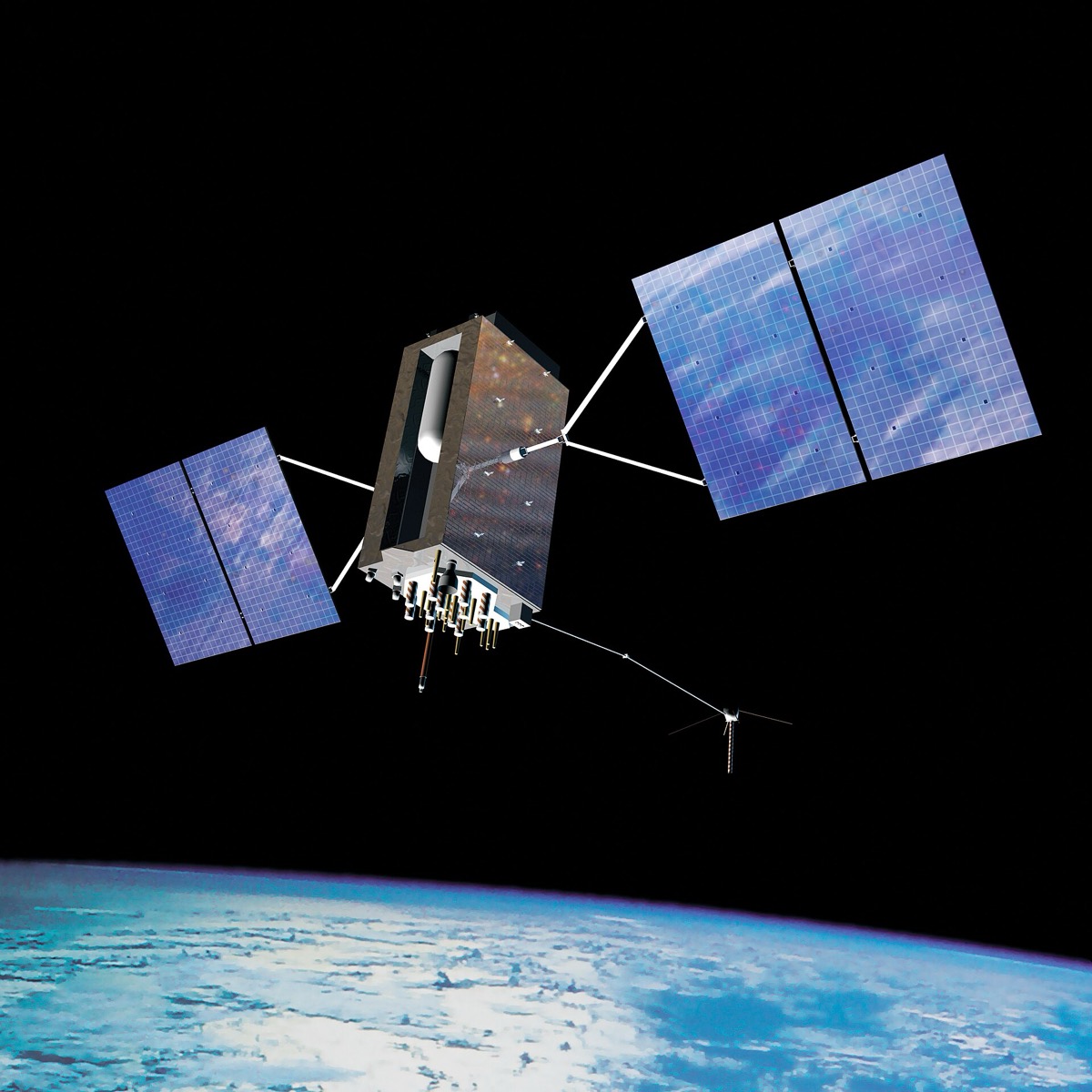 What would happen to the navigation on your phone without relativity?relativity
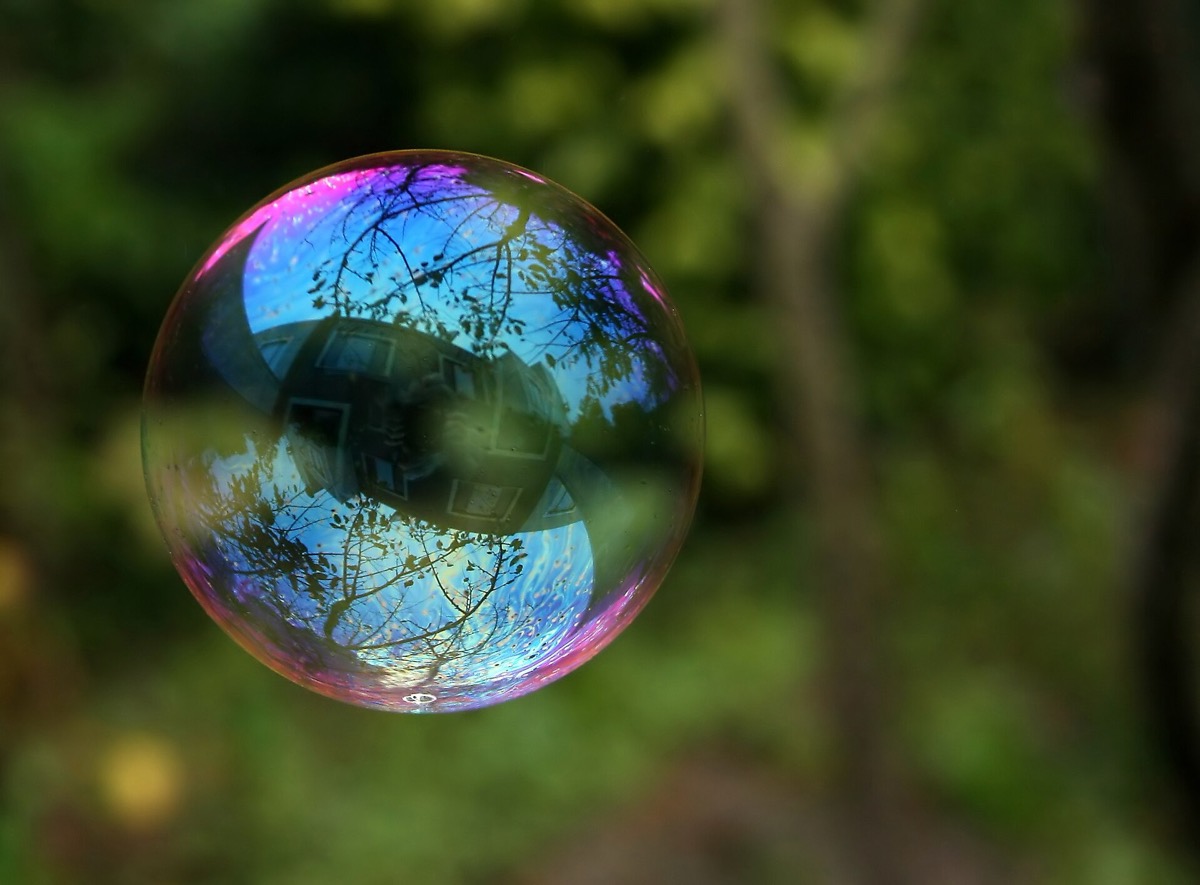 What does the color of a soap bubble know about its own thickness?measurement
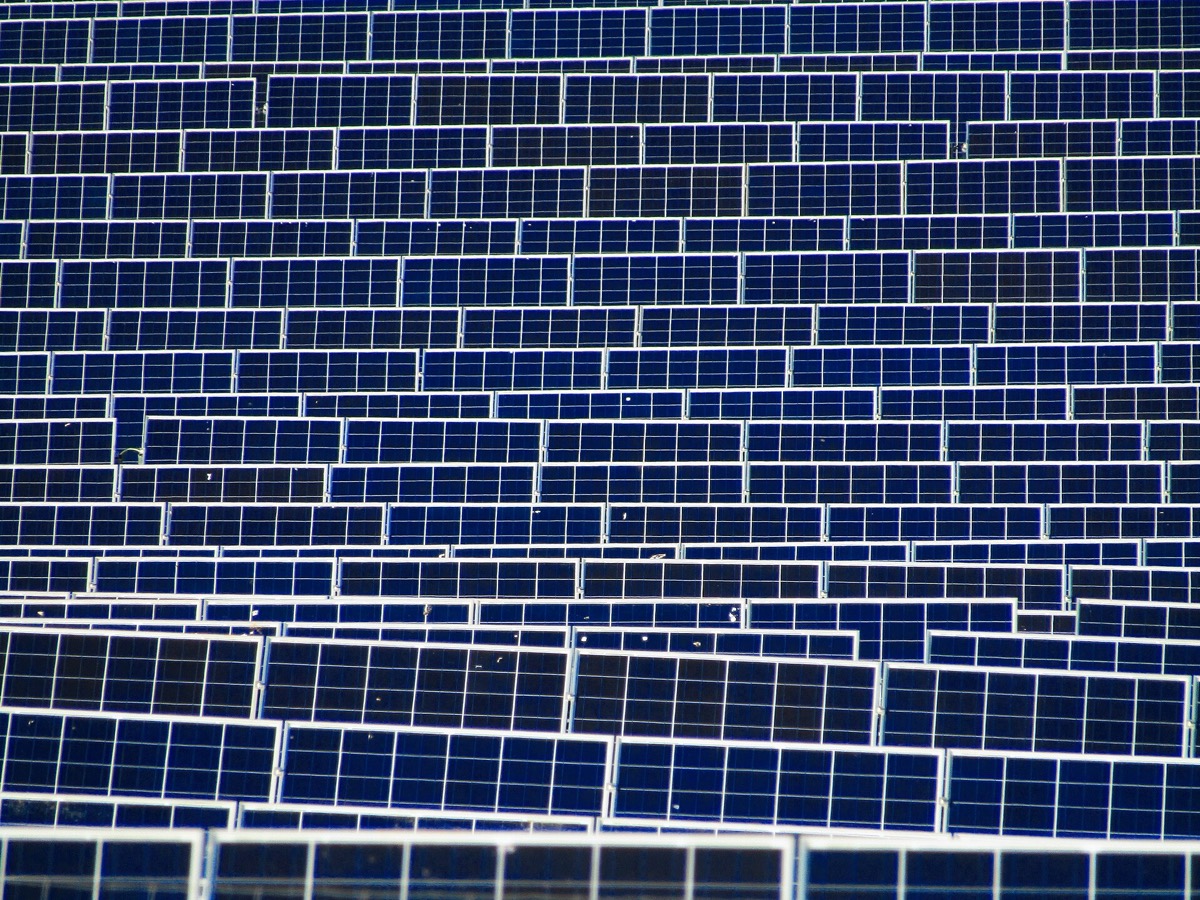 How good are perovskite solar cells, measured independently?measurement