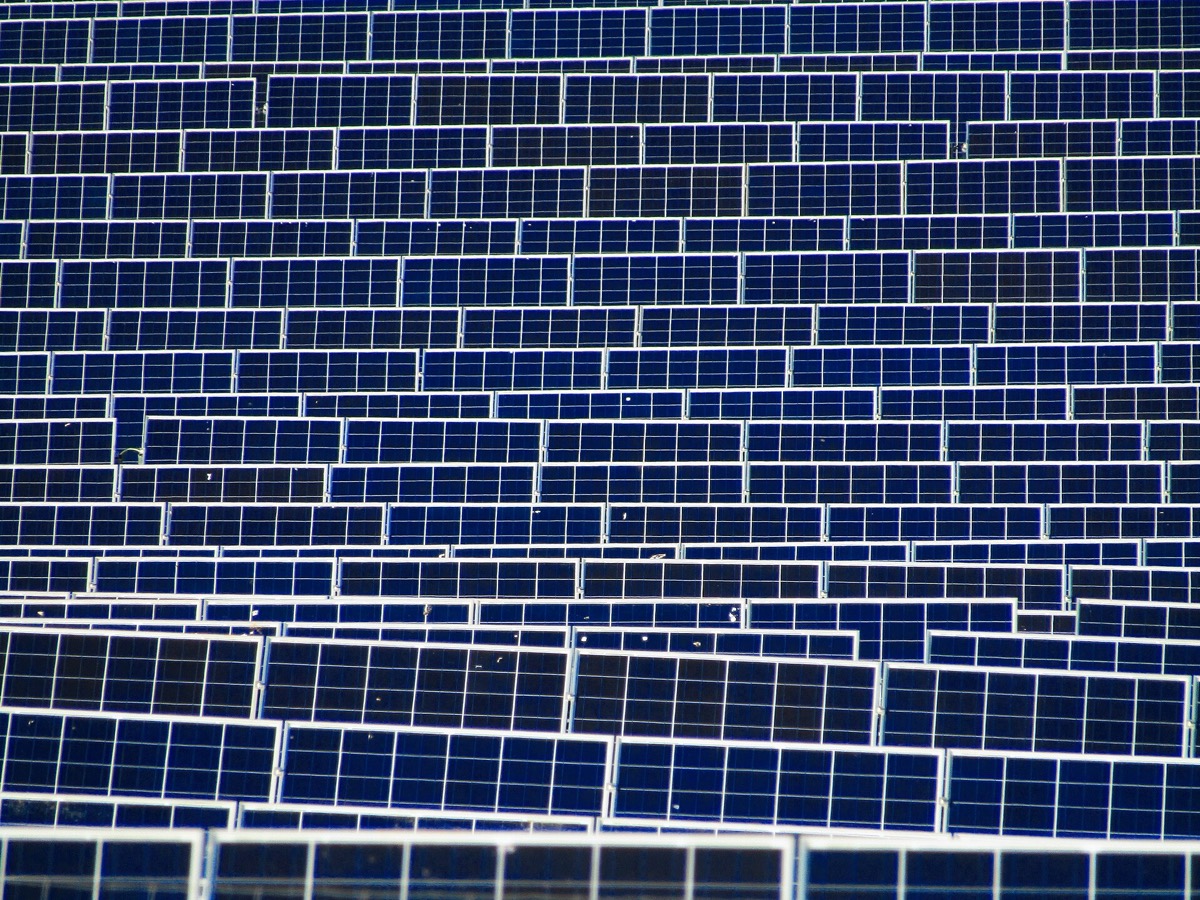
The confirmed record in the 2024 tables is 25.2 percent for a perovskite cell, measured at Newport in July 2023 for Northwestern University, with an uncertainty of plus or minus 0.8. A perovskite reached 22.6 percent. For comparison, the thin-film chalcogenide leaders sit at 23.35 for CIGS and 21.0 for cadmium telluride.
The point of the tables is that nothing enters on a laboratory’s own word. The most important criterion for inclusion is by a recognized test center, and the tables distinguish carefully between three definitions of cell area. Both perovskite entries use , with the minimodule covering just over twenty square centimeters across eight cells.
Perovskite solar cells generate a steady stream of efficiency claims, and most of them come from the laboratories that made the devices. Since January 1993, Progress in Photovoltaics has published six-monthly listings of the highest confirmed efficiencies across photovoltaic technologies, with the explicit aim of encouraging researchers to seek independent confirmation and report on a .
The admission rule is the whole point. The most important criterion for inclusion is that a result must have been independently measured by a recognized test center. The tables also distinguish between three eligible definitions of cell area, total area, aperture area and designated illumination area, because efficiency is power per unit area and the definition changes the figure.
In version 64, published in July 2024, the perovskite cell entry stands at 25.2 percent plus or minus 0.8, measured by Newport in July 2023 for Northwestern University on designated illumination area. The perovskite minimodule entry is 22.6 percent, measured by China’s national photovoltaic measurement center in May 2024, over 20.25 square centimeters and eight cells.
Context from the same table makes the figure legible. Among thin-film chalcogenides, cadmium-free CIGS sits at 23.35 percent and cadmium telluride at 21.0. Organic cells reach 15.8 and dye-sensitized cells 11.9. Two cautions: the tables are superseded twice a year, and these are champion devices measured once, which says nothing about how they behave after years on a roof.
wat. Twenty-five percent, measured by somebody other than the people who made it.
wat wat
Perovskite claims appear constantly and most are self-reported. A confirmed figure measured by an outside laboratory is the only one worth comparing against other technologies.
How do we know?
Progress in Photovoltaics has published consolidated listings of the highest independently confirmed solar cell and module efficiencies every six months since January 1993, with published guidelines for what may be included.
What is still unknown
A snapshot: these tables are superseded every six months, and the entries are champion devices rather than production ones. A record cell says nothing about lifetime, which is the open question for perovskites.
Learn something?
Where to next
 What does the color of a soap bubble know about its own thickness?measurement
 How small a difference in height can a clock feel?measurement
 How long is the coast of Britain?measurement