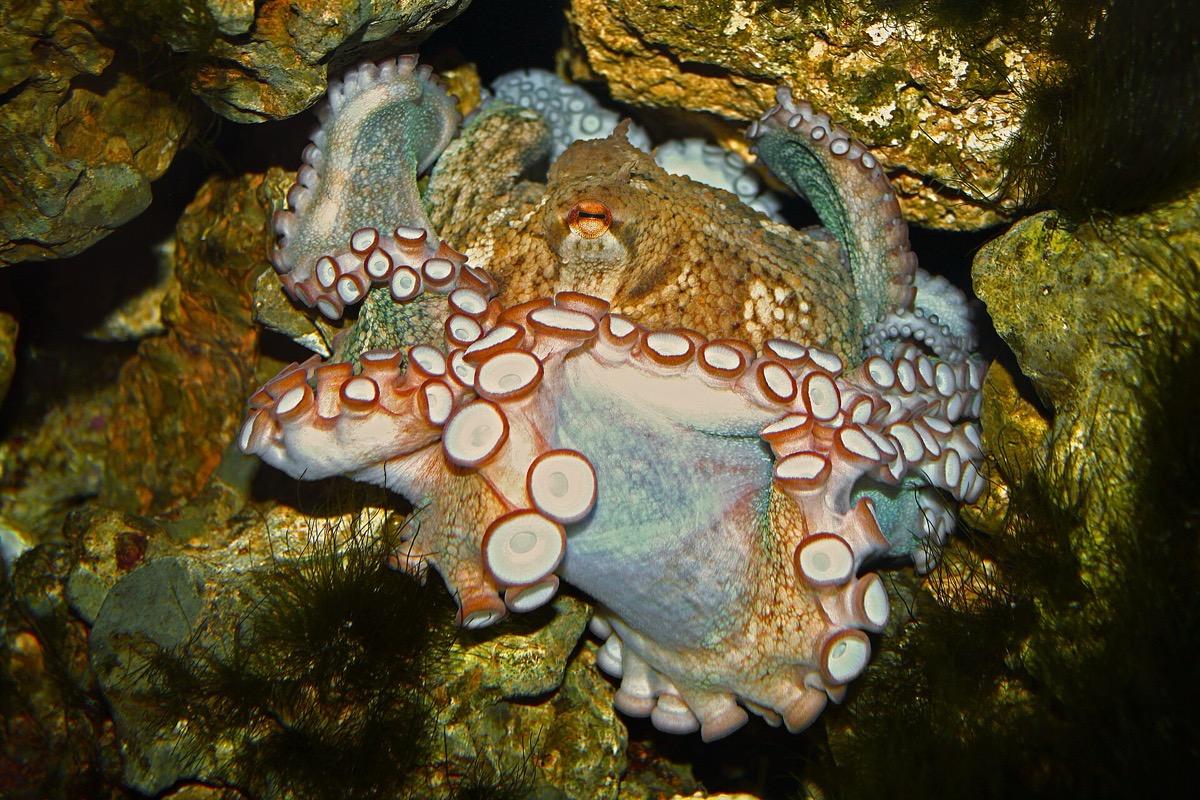
In a human, nearly all the processing happens in one place, which looks like the sensible way to build an animal. An octopus is arranged differently enough that a single arm can feel its way along and settle how to grip. So where is the brain?
Most of an octopus’s nerve cells sit along its eight arms rather than in its head. An arm feels its way with , reads texture and works out a grip without waiting on an answer from the center. The central brain sets a general goal and the arms handle the details, which is a genuinely different architecture from ours.
The way into this is through an engineering problem. A human arm has a handful of joints, so a brain can compute where it is going. An octopus arm has no bone at all, can bend at any point in any direction, and the number of ways to perform one movement is enormous.
Running that from a single center would choke the system. The evolutionary answer was to delegate. Most nerve cells sit in the arms themselves, and each arm runs local circuits that probe, read texture and adjust a grip without waiting for a reply.
The central brain is therefore busy with a different question. It sets a goal, reach into that crevice, and the arm settles the details. It also does not receive a precise map of where the arms are at any moment, which would paralyze any vertebrate and here is simply not needed.
Two things follow. One is practical, and already builds flexible limbs with local control on this model. The other is a matter of principle. A shows that intelligence need not be gathered in one place, and that makes an octopus the closest thing we have to a mind grown down another road. The discipline to keep is that calling an arm a decision maker is a and nothing more.
wat. Roughly two thirds of an octopus’s half a billion nerve cells sit in its arms rather than its head.
wat wat
It is a working example of intelligence that is spread out rather than centralized, and soft robotics engineers build from it directly.
How do we know?
Counts of nerve cells in octopus tissue, alongside behavioral work testing whether an arm still produces coordinated action when its link to the central brain is limited.
What is still unknown
Behavior is poor evidence for experience. Saying an arm decides is a functional description, not a claim about awareness.
Learn something?
Where to next
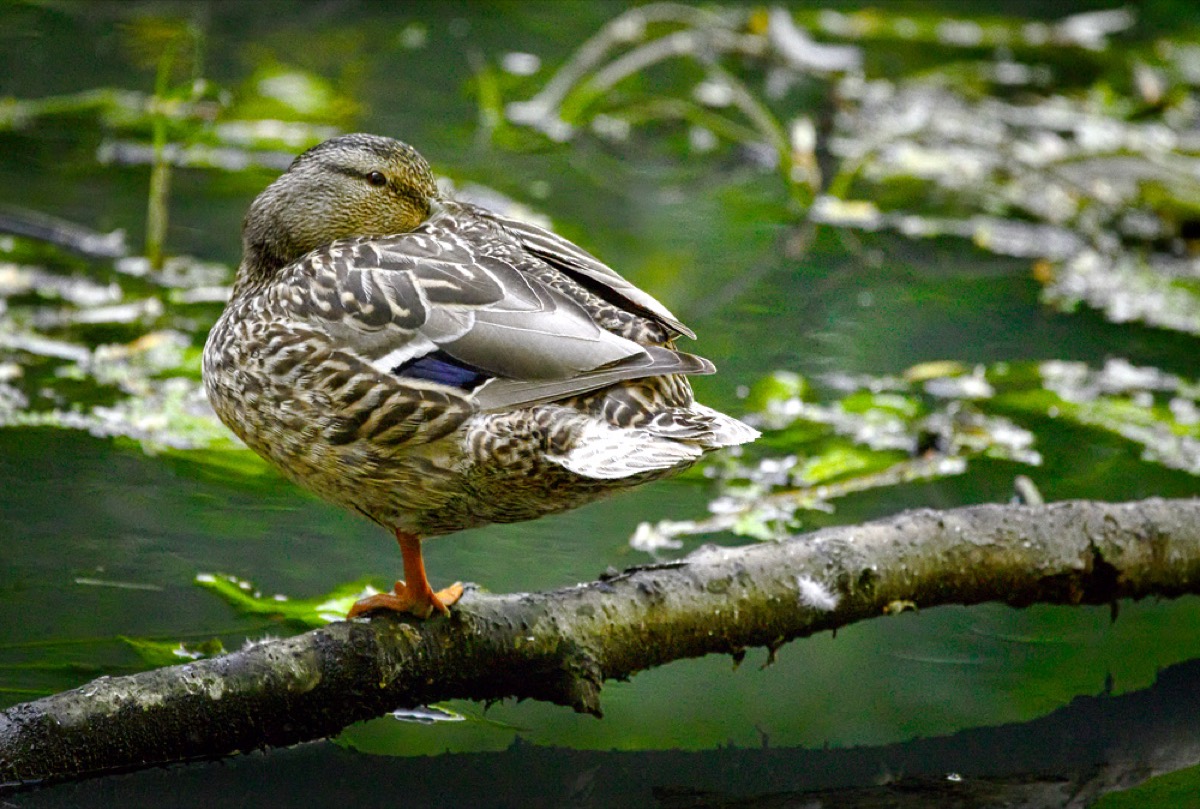 Which way does a sleeping duck point its open eye?brain
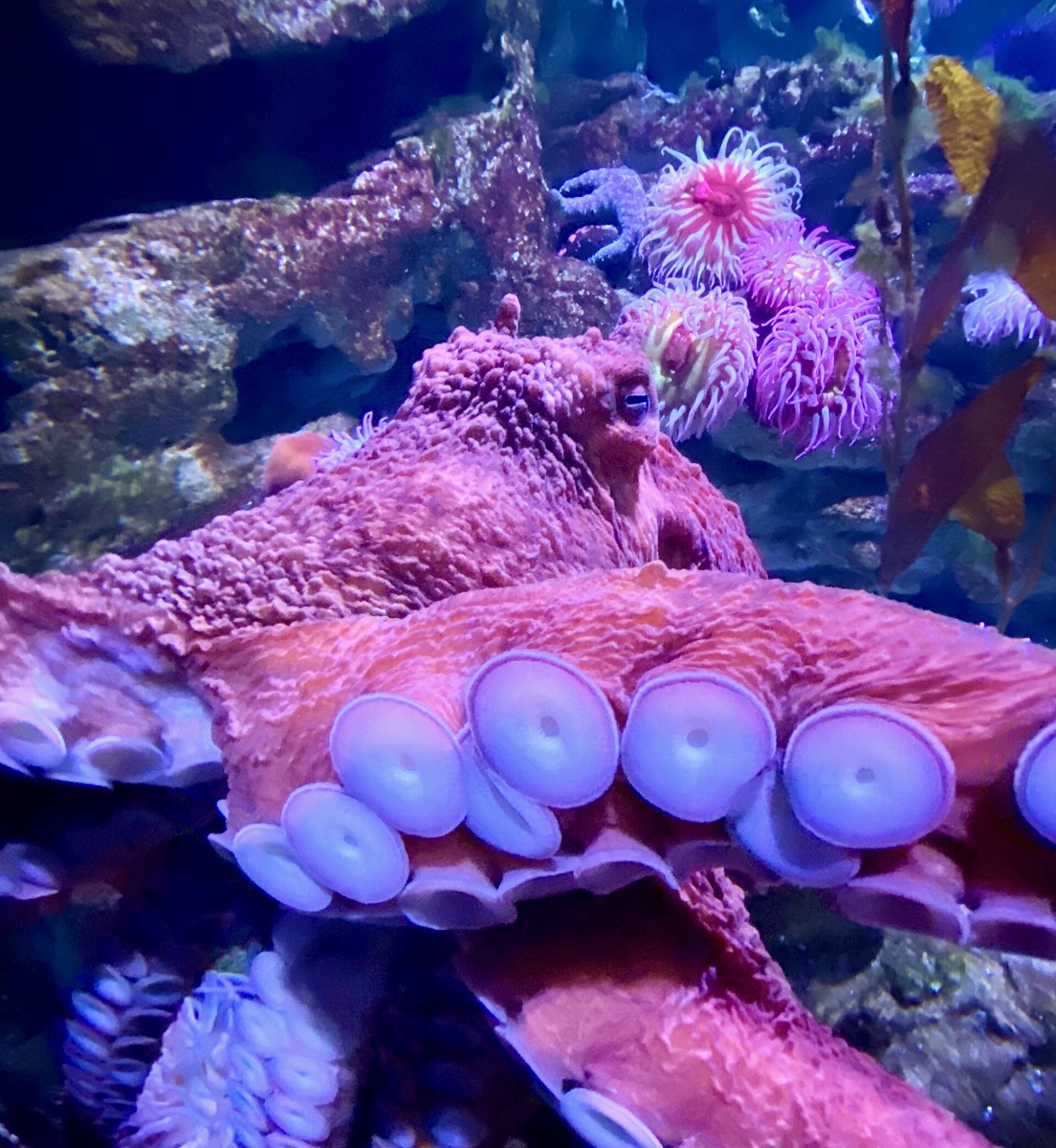 How does an octopus taste something it has only touched?octopus
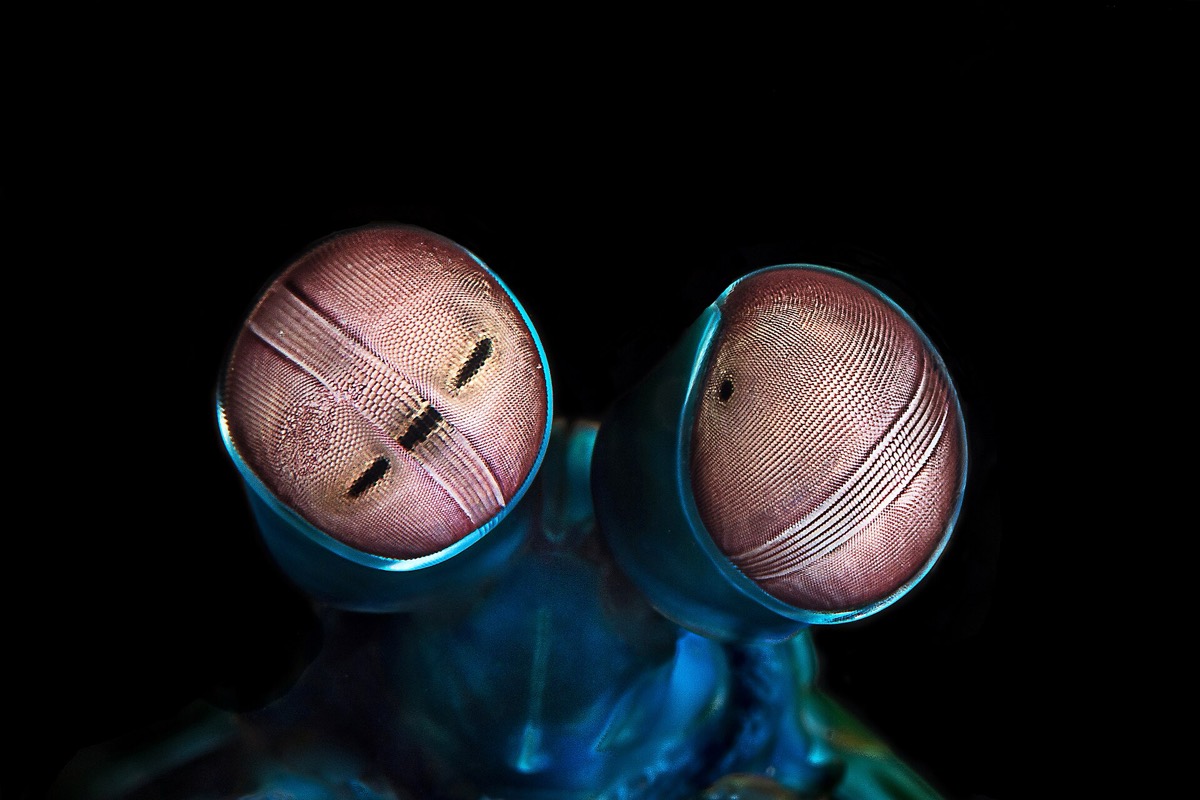 What does an eye with twelve color channels actually see?brain