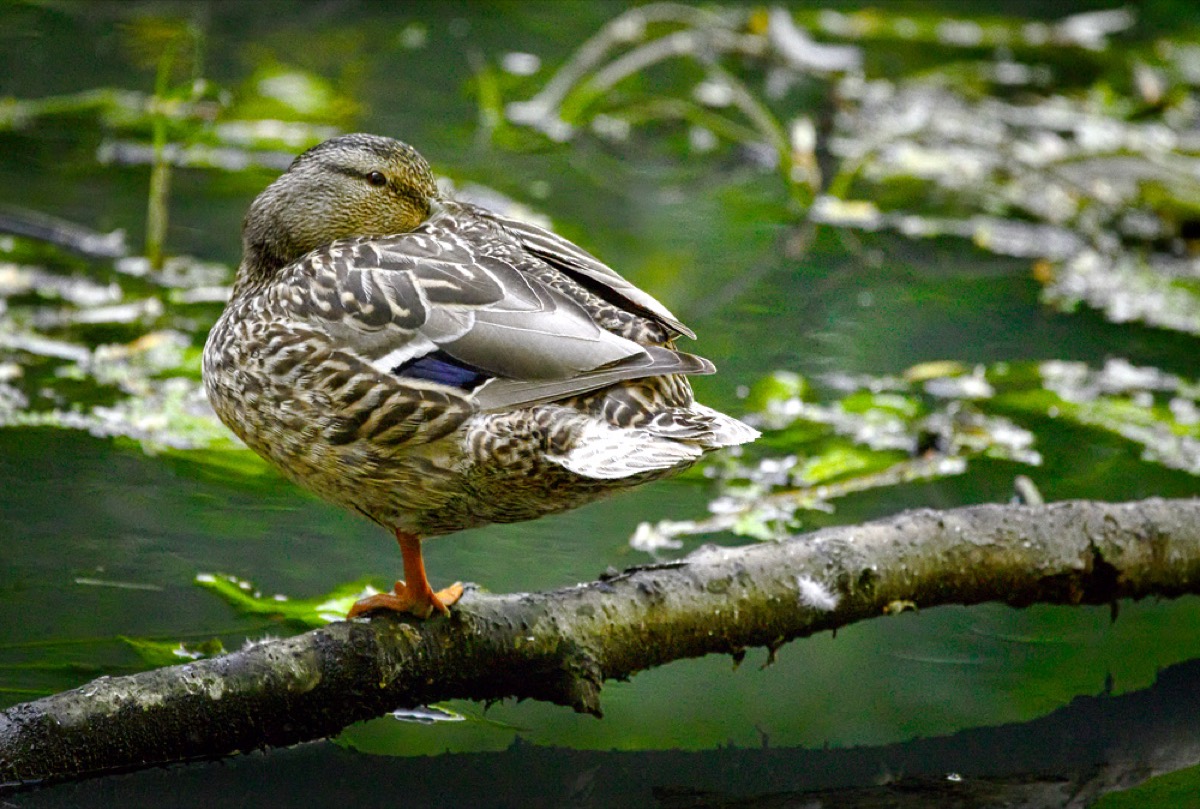
Birds can sleep with half the brain at a time, which leaves the opposite eye open, and nobody could say what the arrangement was for. If the answer is watching for predators, a bird in an exposed spot should use more of it and aim the open eye at the danger. Rattenborg and colleagues recorded eyes and brain waves in mallards sleeping in rows of four. Did position in the row matter?
Position decided it. Ducks at the exposed ends of the row used far more than ducks in the middle, a rise of roughly one hundred and fifty percent. They also preferred to point the open eye away from the group, the side a predator would come from. Mallards in that state reacted quickly to a threatening shape shown to the open eye.
Birds and aquatic mammals are the only groups known to put one hemisphere to sleep at a time. In dolphins the reason is obvious: breathing is voluntary, and a wholly sleeping brain would drown. For birds nobody had a comparable answer.
One eye stays open throughout, the one to the half still awake, and that hands you a testable guess. If the point is watching for predators, a bird ought to dial the amount up as exposure rises, and ought to aim the open eye at whichever side the trouble is on.
Rattenborg and colleagues sat mallards in rows of four and recorded eye state together with the . A duck in the middle has a neighbor on either side; a duck at the end is covered on one side only. The ones at the ends slept one-sidedly far more, and turned the open eye outward, away from the group.
They also answered quickly to a threatening shape delivered to the open eye, so the watch is a real watch and not an eyelid left up by accident. The is the striking part: sleep and wakefulness held at once in different regions of one brain, with the balance set by the risk of the night.
wat. Half a brain asleep is a setting rather than a fixed trait, and a duck at the edge of the row turns it up and aims it outward.
wat wat
It makes sleep depth a decision rather than a fixed trait, and shows a bird trading rest against risk according to where it happens to be sitting.
How do we know?
Rattenborg and colleagues recorded eye state and EEG in mallard ducks sleeping in rows of four, comparing the exposed end positions against the sheltered middle ones.
What is still unknown
One species in a laboratory row of four, with position standing in for actual predators, so the risk the birds responded to was inferred rather than present.
Learn something?
Where to next
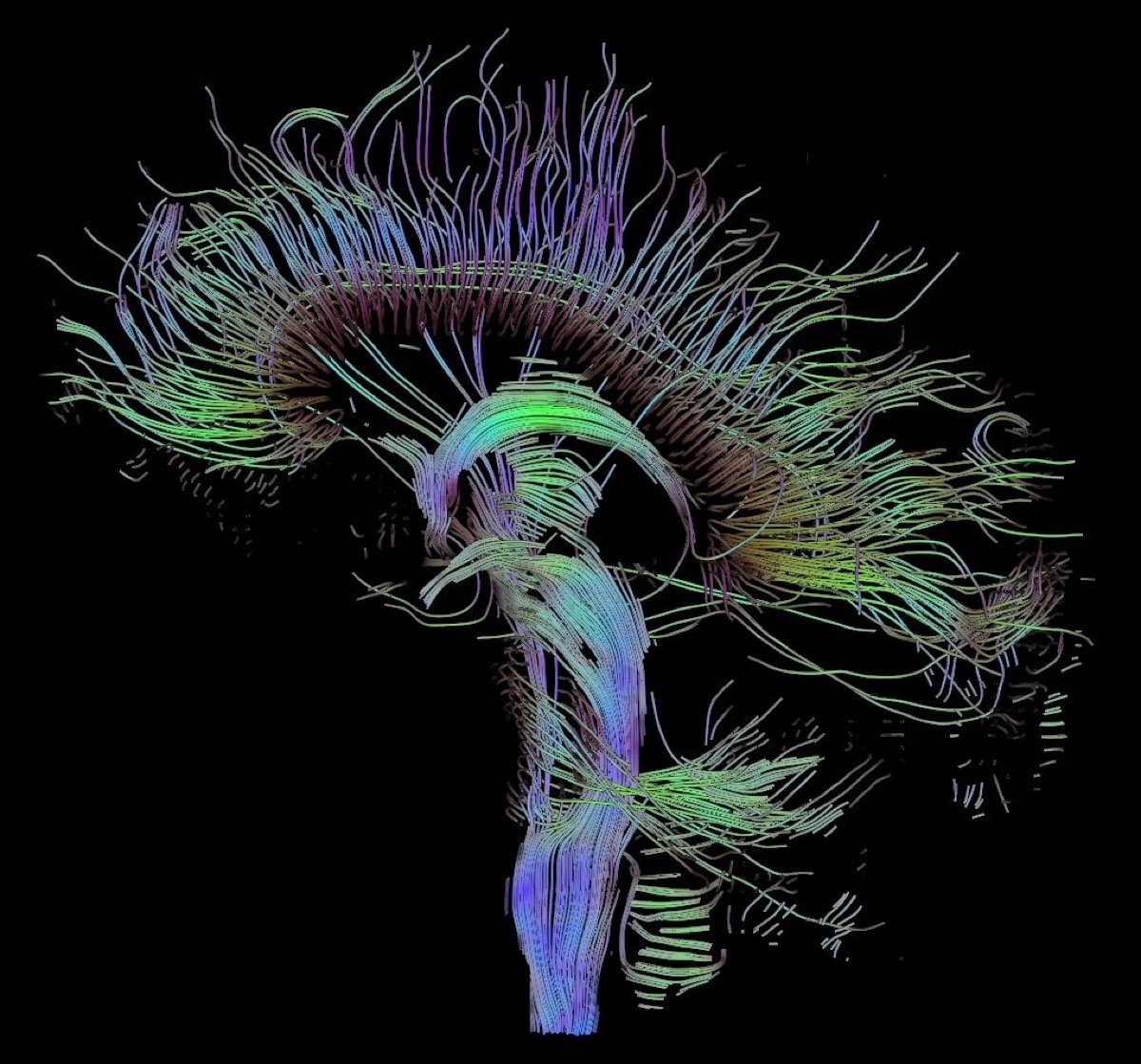 What does the brain do at night that it cannot get done by day?sleep
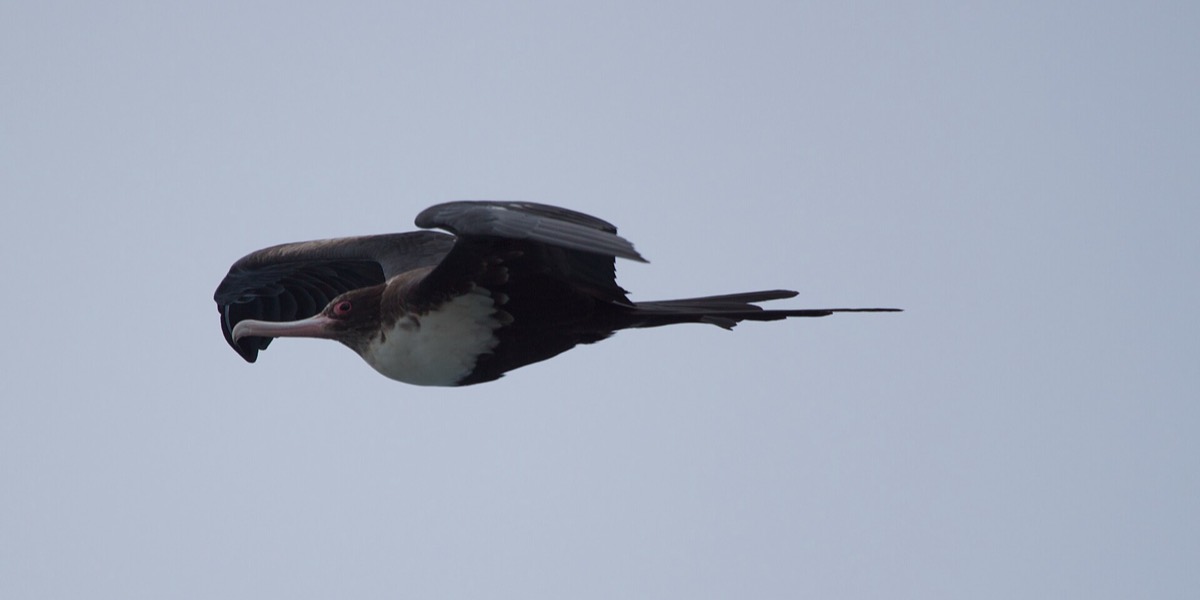 How does a bird sleep during a flight that lasts for days?sleep
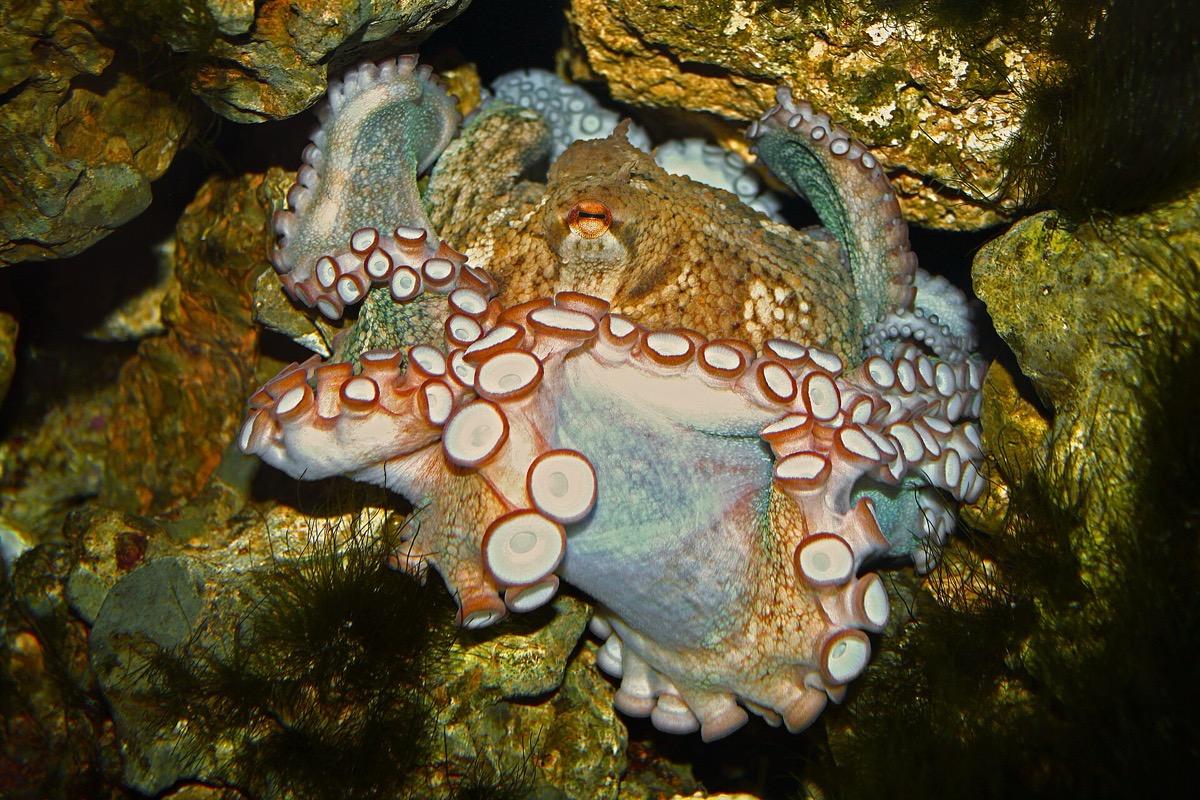 Where is most of an octopus’s brain?brain