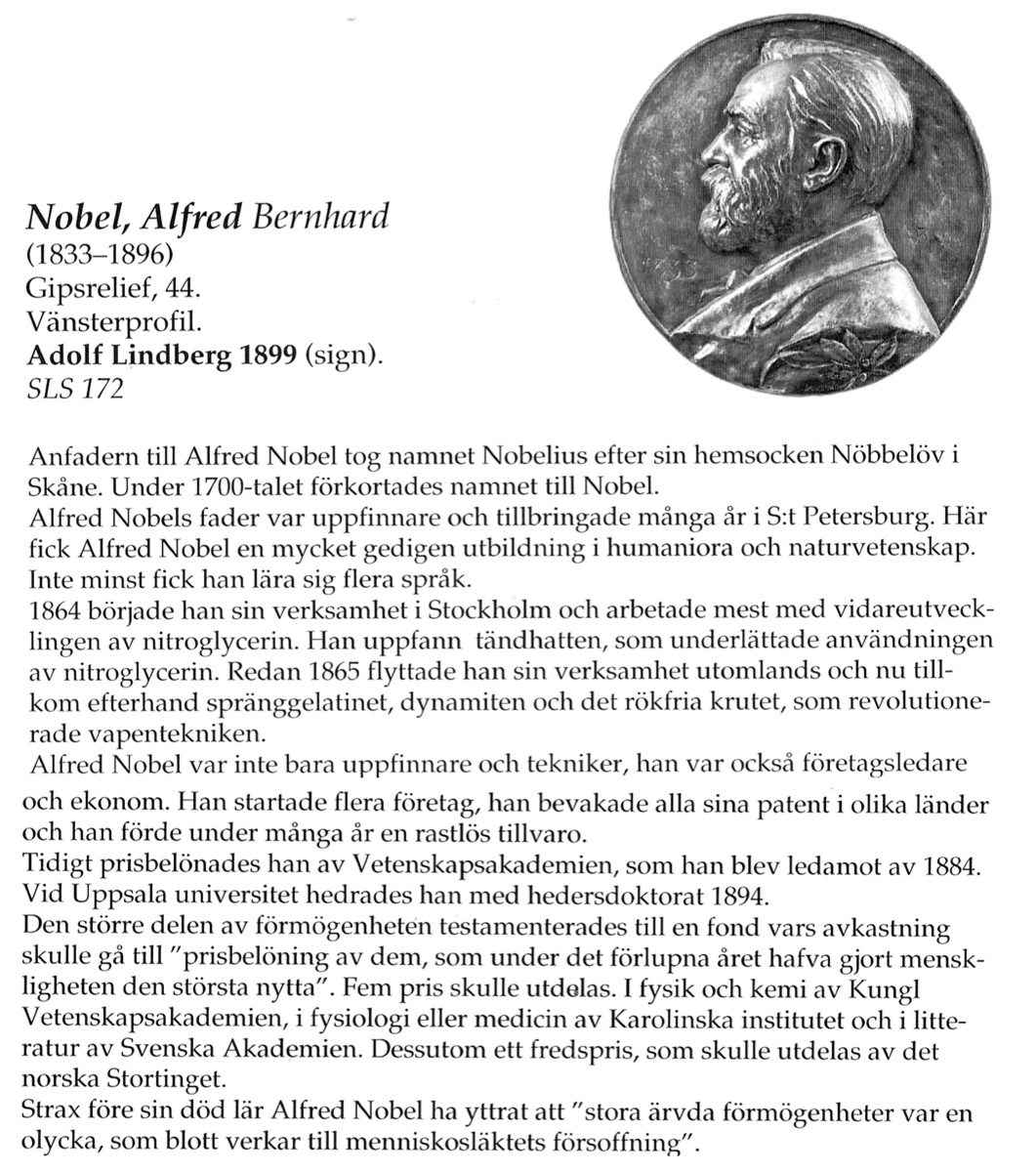
Nobel signed his will in Paris in November of eighteen ninety-five, devoting almost all his estate to prizes for those who had conferred the greatest benefit on mankind. He was an unlikely source for a peace prize, holding three hundred and fifty-five patents, having invented dynamite, and owning nearly a hundred explosives factories. He never explained himself publicly. So where does the story come from?
From eighteen eighty-eight, and nobody can produce the document. Nobel’s brother Ludvig died in France, and at least one French newspaper reported the death as Alfred’s. Its obituary branded him a , grown rich on new ways to mutilate and kill. Historians have never found an original copy of it. Some now dismiss the story as a myth; others treat it as one factor among several.
On the twenty-seventh of November, eighteen ninety-five, Alfred Nobel signed his last will at the Swedish-Norwegian Club in Paris. In fewer than a thousand handwritten words he set the vast majority of his estate aside for prizes to those who, during the preceding year, had conferred the greatest benefit on mankind. Five awards were named; a sixth, for economics, came in nineteen sixty-eight.
He was an unlikely founder of a peace prize. His father had run armaments factories and built underwater mines for Russia, and Alfred held three hundred and fifty-five patents covering nitroglycerin detonators, blasting caps and the smokeless gunpowder . He invented dynamite in eighteen sixty-seven and owned nearly a hundred factories making explosives and munitions.
The famous explanation is a case of mistaken identity. His brother Ludvig died in France of a heart attack in eighteen eighty-eight, and poor reporting led at least one French newspaper to believe the dead man was Alfred. It printed a scathing obituary calling him a merchant of death. The error was corrected, but not before he had read his own death notice, and his biographer argues the shock sent him back to rewrite his will with an eye on his .
Historians have yet to find an original copy of that obituary. Some now dismiss the story as a myth; others treat it as one factor among several. The Nobel Foundation notes he may have had the idea for the science prizes as early as eighteen sixty-eight, when the Royal Swedish Academy of Sciences gave him an award of its own. Many credit the peace prize instead to , whose pro-disarmament views he resisted in letters and may have absorbed anyway.
wat. The story is too good to check and nobody has managed to, because the newspaper that printed it has never been found.
wat wat
It is a well-shaped story that may be a myth, attached to an institution that spends its year judging evidence, which makes it a useful test of how a good anecdote survives without one.
How do we know?
An article by Evan Andrews for HISTORY sets out the will, the eighteen eighty-eight mix-up, the absence of any surviving copy of the obituary, and the other explanations historians and the Nobel Foundation offer.
What is still unknown
A popular history article rather than archival research. It reports the competing explanations fairly and resolves none of them, which is the honest position given that the obituary itself has never turned up.
Learn something?
Where to next
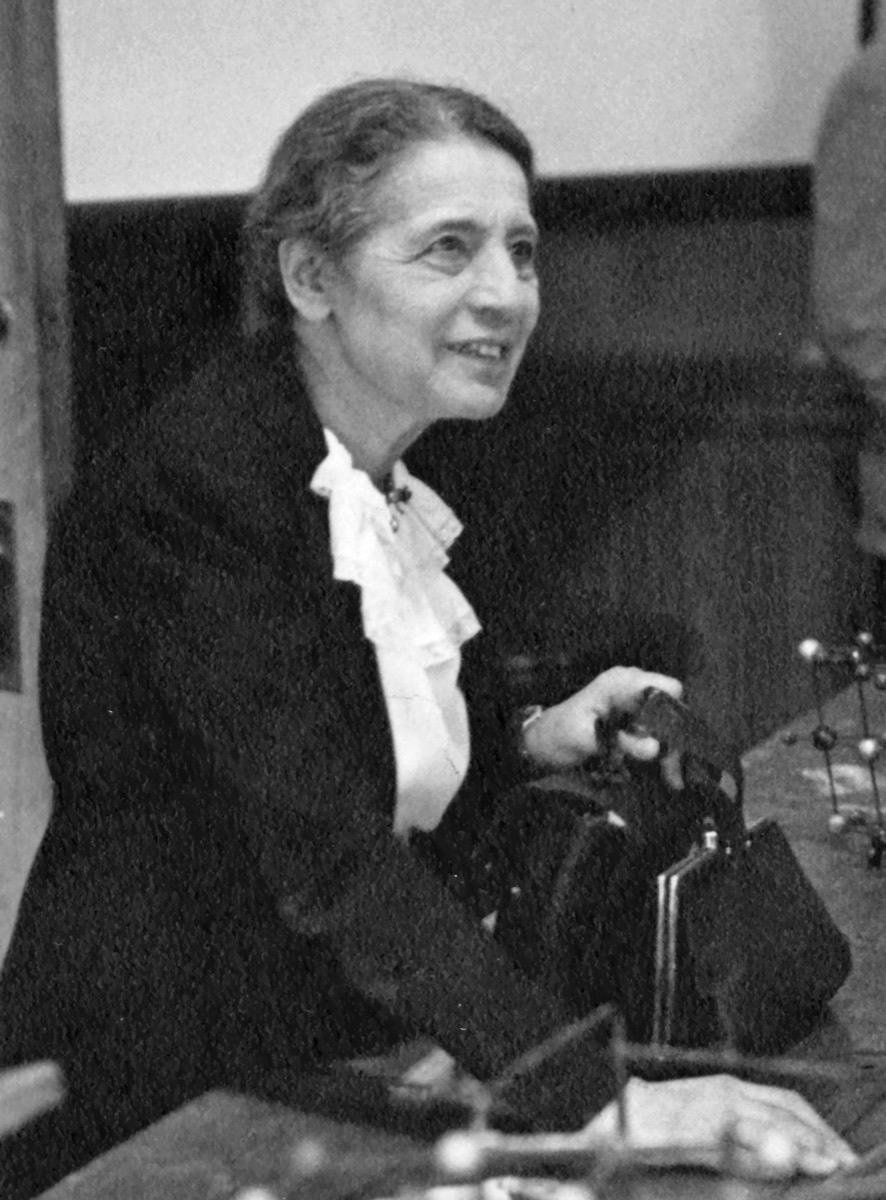 Who worked out that the uranium atom had split?nobel prize
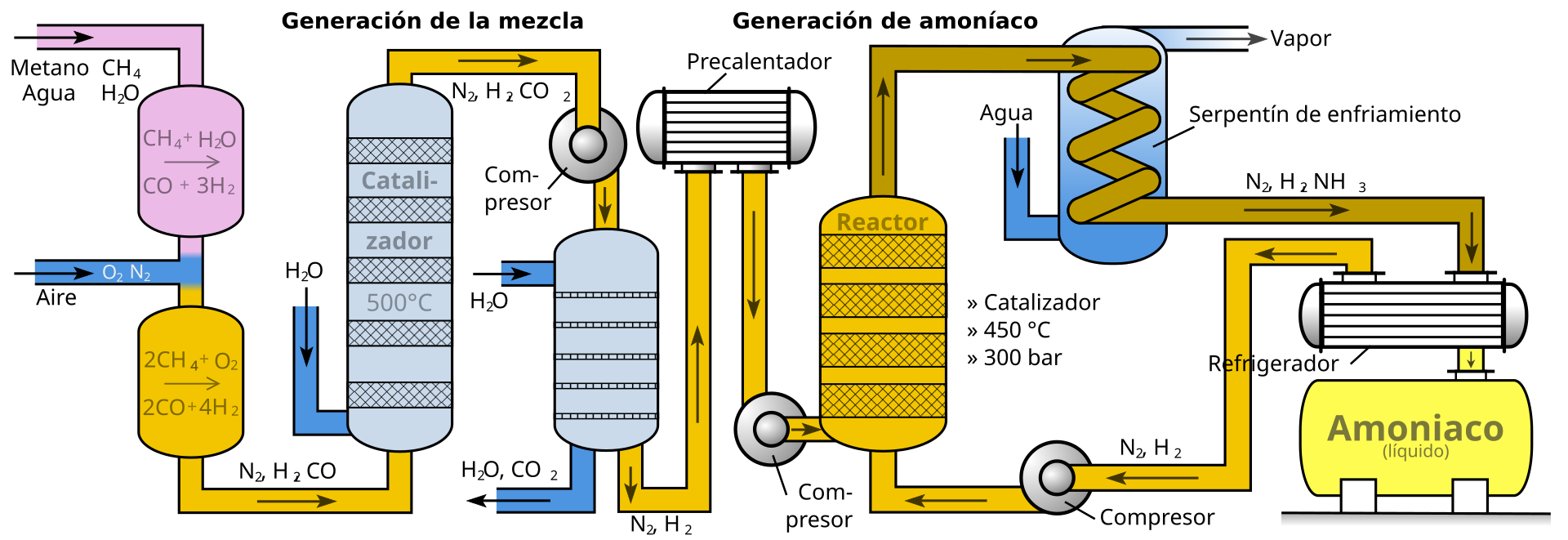 Why can a plant starve in an atmosphere that is mostly nitrogen?nobel prize
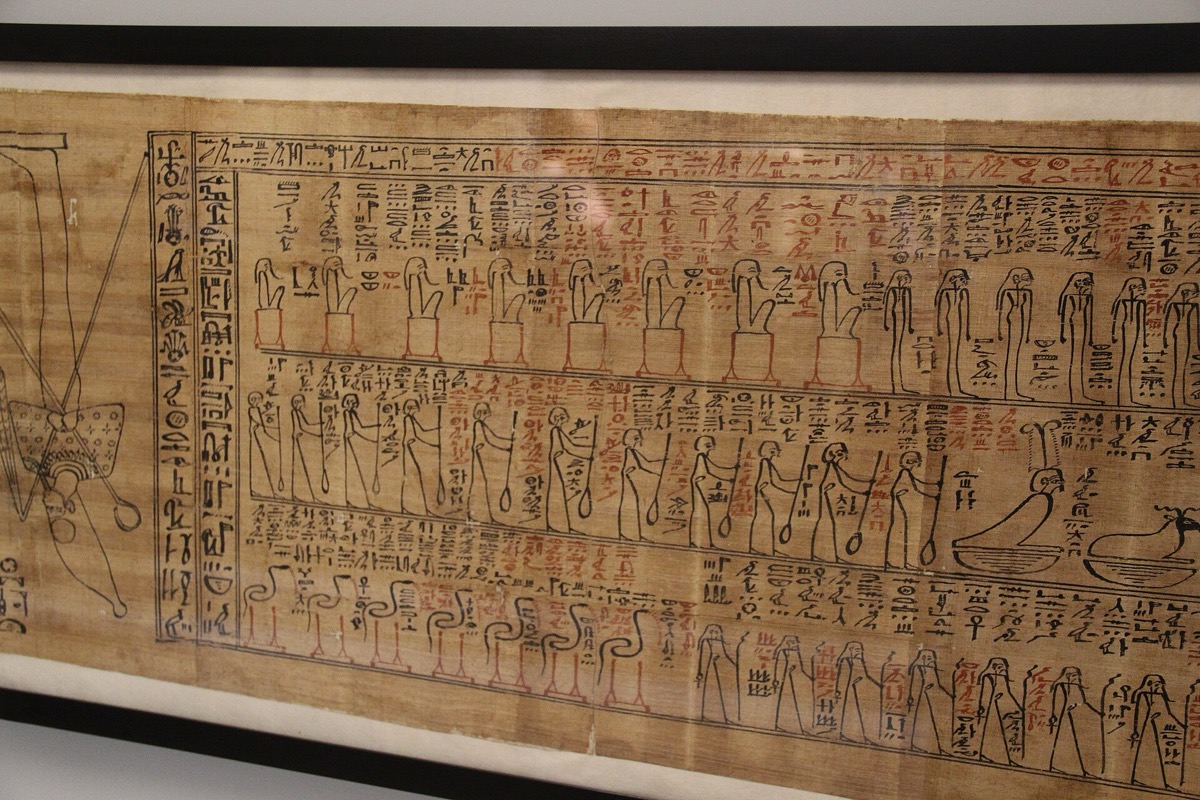 Who burned the Library of Alexandria?myth