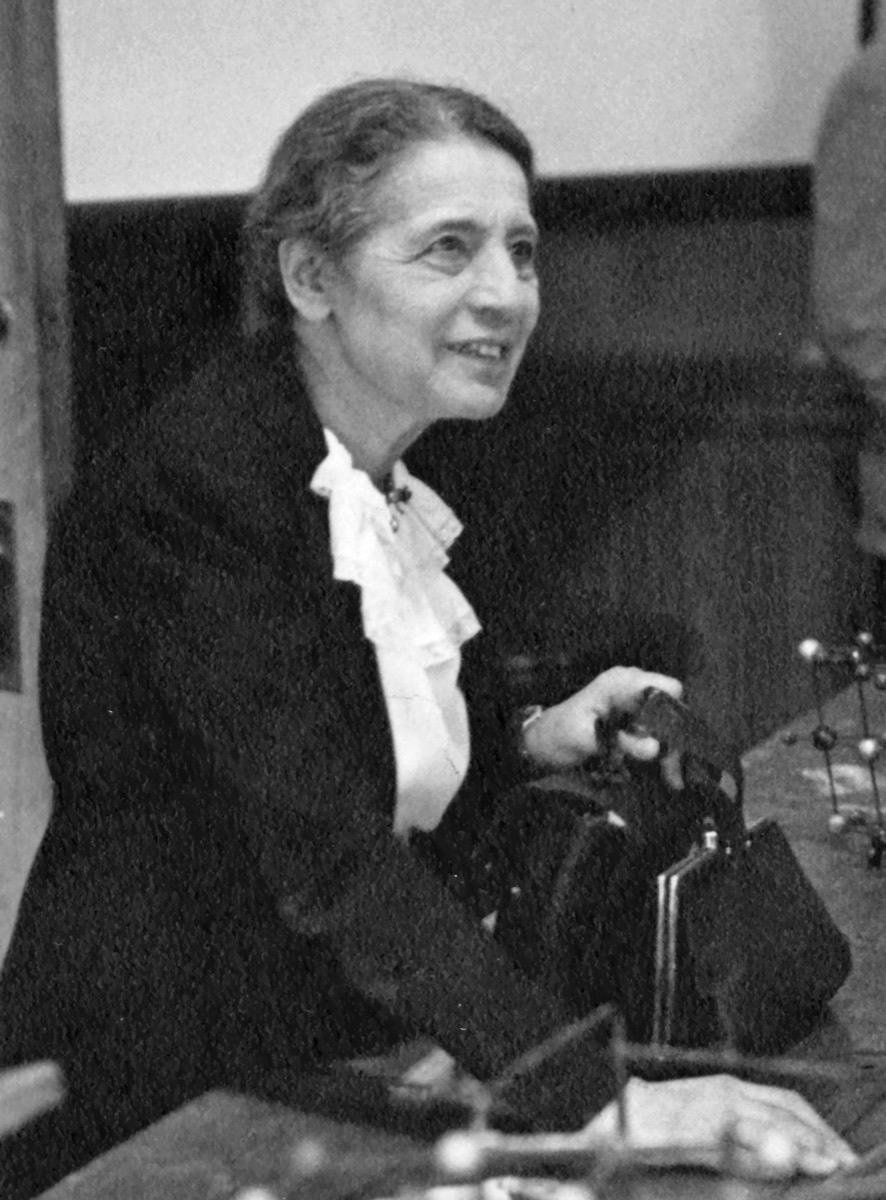
Otto Hahn and Lise Meitner worked together in Berlin for three decades, beginning in a remodeled carpenter’s shop because the university did not yet accept women officially. By nineteen thirty-eight she had to leave Germany. Hahn and Fritz Strassmann then bombarded uranium with and found , far lighter than anything they had expected, and could not account for it. Who worked out what had happened?
Meitner did, from Stockholm. Hahn and Strassmann reported the barium to her. She and her nephew Otto Frisch, working at Bohr’s institute in Copenhagen, did the physics using Bohr’s of the nucleus and stated clearly that of uranium had occurred. Bohr carried the news to scientists in the United States, and it led in the end to the Manhattan Project.
Chemistry and physics meet where the smallest particles of matter are investigated, which is why the partnership made sense. Hahn had trained as a chemist and shown his skill as an experimentalist by isolating radioactive thorium in Ramsay’s laboratory in London. Meitner had come to Berlin after taking the second science doctorate ever granted to a woman by the University of Vienna, in nineteen oh five.
They began in a remodeled carpenter’s shop, because the university did not yet accept women on an official basis. In nineteen twelve the group moved to the new Kaiser Wilhelm Gesellschaft, where Hahn headed the radioactivity institute and Meitner, from nineteen eighteen, headed its physics department. Chadwick’s discovery of the neutron in nineteen thirty-two gave the work new momentum, since an uncharged particle penetrates the nucleus more successfully than a charged one.
Meitner had to leave Berlin in nineteen thirty-eight, as the Nazis closed in on everyone of Jewish ancestry, and found a place at the Nobel Institute in Stockholm. Hahn and Strassmann, still in Berlin, bombarded uranium with neutrons expecting elements of similar or higher atomic number. What they got was barium, far lighter than uranium, and they reported it to Meitner.
She and Frisch worked out the physics, using Bohr’s droplet model of the nucleus, and said plainly that nuclear fission had taken place. None of the three worked on nuclear weapons during the war. At its end Hahn was astonished to learn both that he had won the nineteen forty-four Nobel Prize in Chemistry and that bombs had been built on his discovery. Meitner continued nuclear research in Sweden and then England, and many thought she should have received the prize alongside him.
wat. The chemistry was done in Berlin and the physics in exile, and only the Berlin half was given a prize.
wat wat
It is the clearest case in physics of credit following the institution rather than the insight, and the Institute notes that many thought Meitner should have shared the prize.
How do we know?
The Science History Institute’s biography of Hahn, Meitner and Strassmann sets out the collaboration, Meitner’s flight from Berlin in nineteen thirty-eight, the barium result and the Nobel that followed.
What is still unknown
A short biographical account rather than a study of the Nobel committee’s reasoning, which is a separate question from who did which part of the work.
Learn something?
Where to next
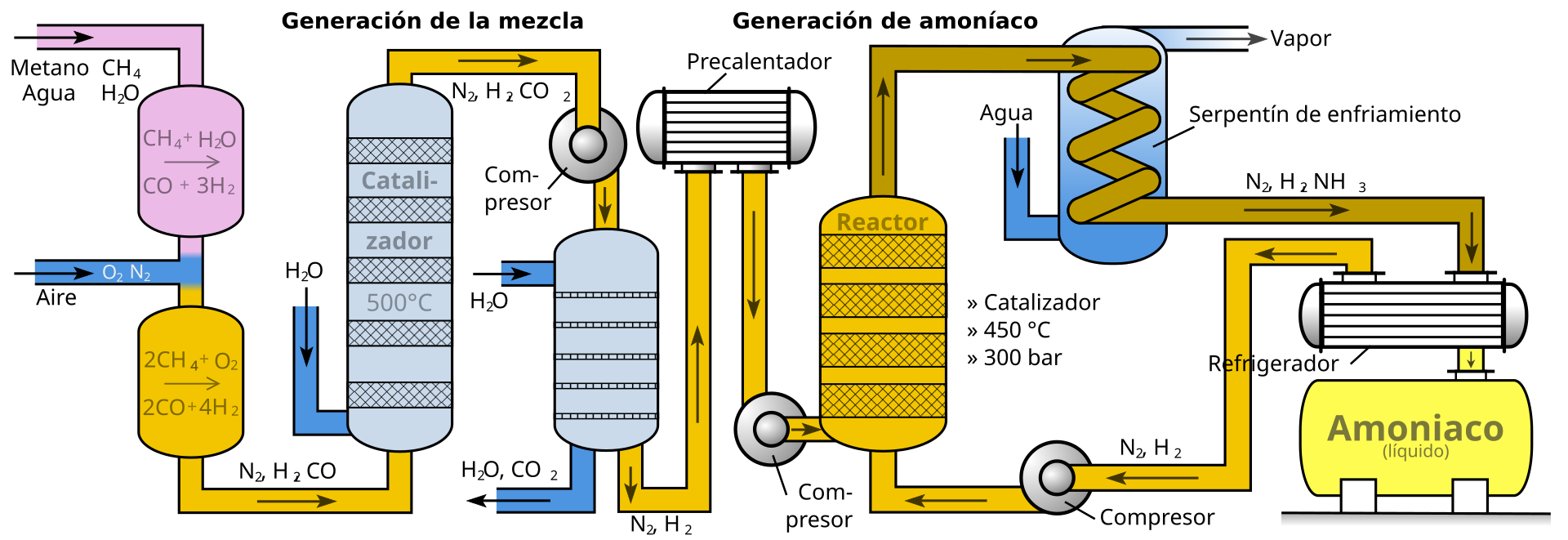 Why can a plant starve in an atmosphere that is mostly nitrogen?nobel prize
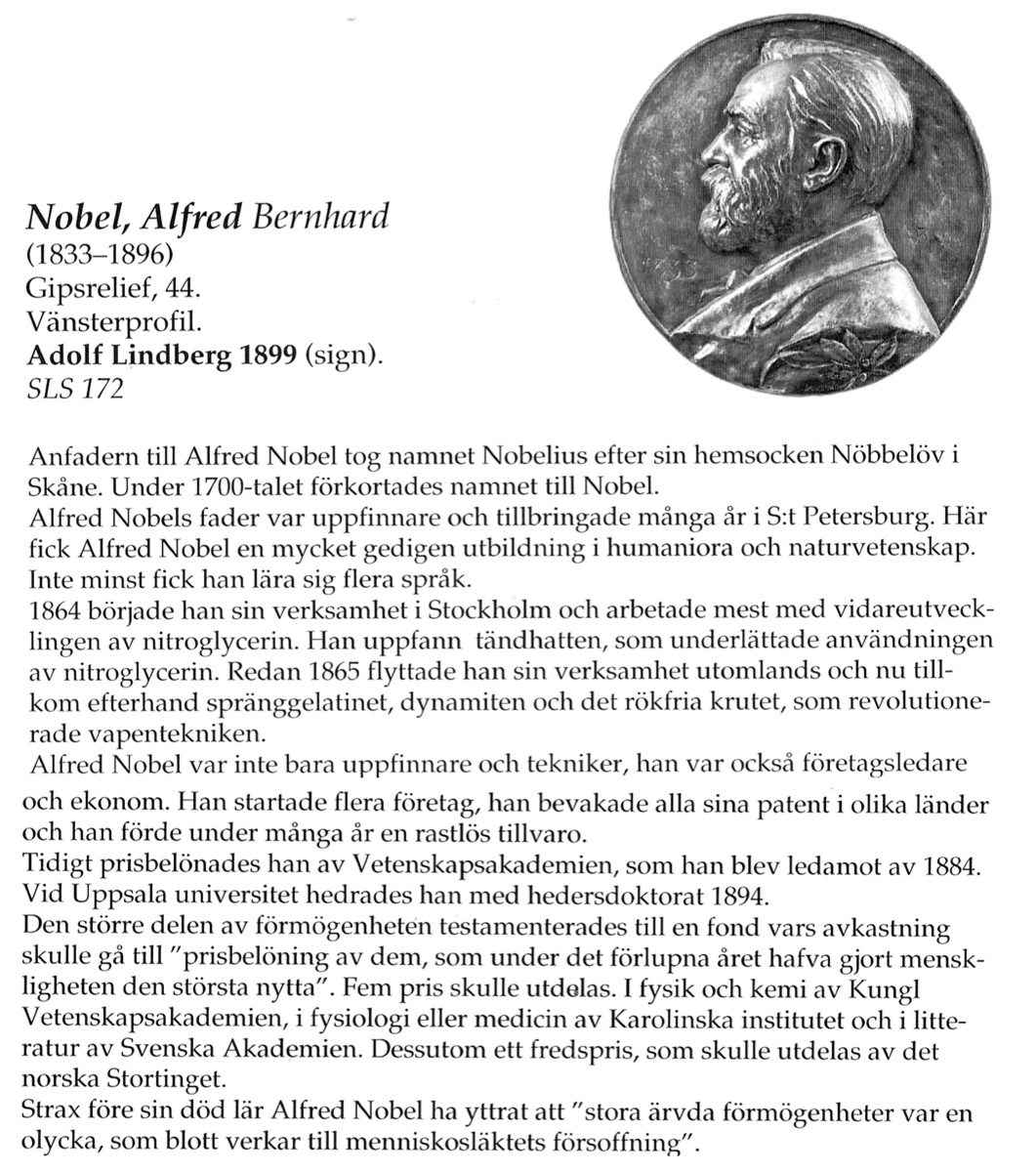 Did Alfred Nobel really found the prizes after reading his own obituary?nobel prize
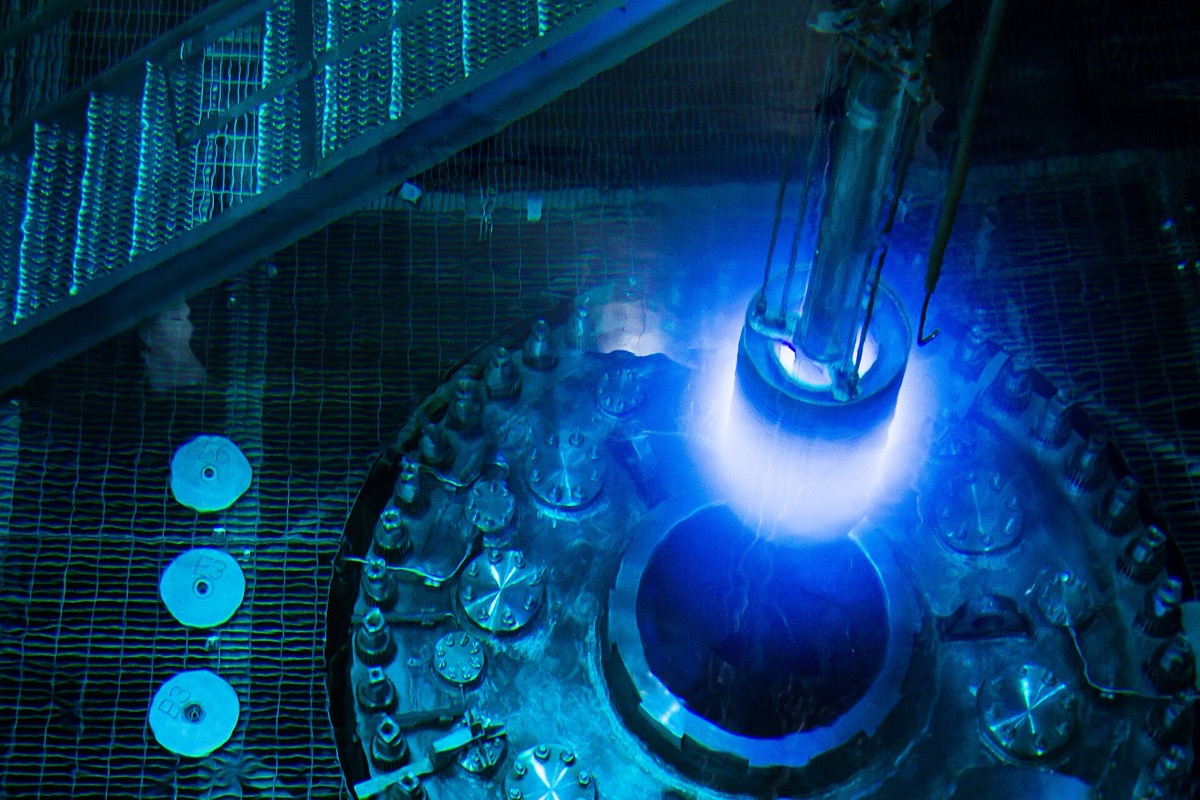 Why does a reactor that has already been shut down still need cooling?physics