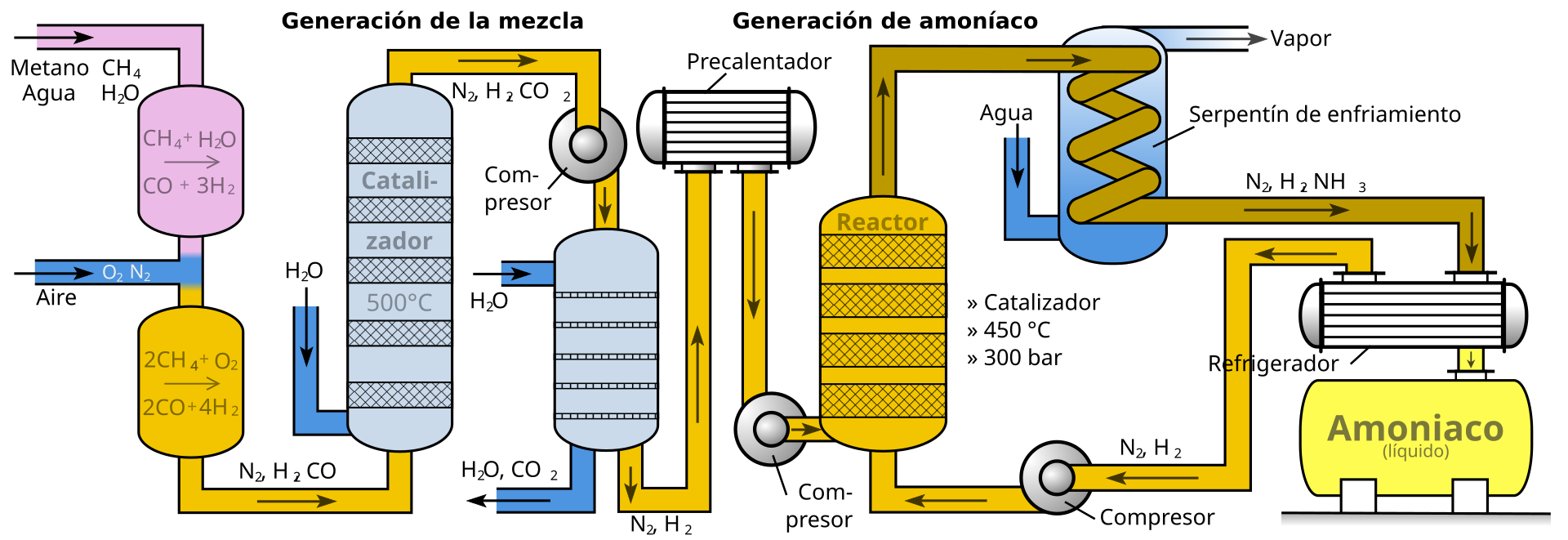
Nitrogen is one of the most important , and air is mostly nitrogen, which ought to settle the matter. It does not. Plants can use nitrogen only when it is already part of a chemical compound, and the nitrogen overhead is not. Around nineteen thirteen Fritz Haber built an apparatus to address that. What does it do?
It makes out of thin air. Nitrogen and hydrogen gases pass through the apparatus at a controlled temperature, pressure and flow rate, in the presence of a , and ammonia forms in an energy-efficient process. Ammonia is a compound, so the nitrogen in it is available to a plant. The result could be manufactured into artificial fertilizer.
Nitrogen is one of the most important plant fertilizers, and the atmosphere is mostly nitrogen. The two facts sit awkwardly together, because plants can only use nitrogen when it is part of a chemical compound, and atmospheric nitrogen is not.
That left agriculture dependent on nitrogen compounds that had to be found rather than made. The constraint was not a shortage of the element anywhere on Earth; it was a shortage of it in a usable form, which is a chemistry problem rather than a geography one.
In about nineteen thirteen Fritz Haber developed a method for producing ammonia from nitrogen and hydrogen. Nitrogen and hydrogen gases pass through an apparatus at a controlled temperature, pressure and flow rate, in the presence of a catalyst, and ammonia forms in an energy-efficient process. What comes out can be manufactured into artificial fertilizer.
The Nobel Prize in Chemistry for nineteen eighteen went to Haber for the of ammonia from its elements, and he received it a year later, in nineteen nineteen. His affiliation at the time was the Kaiser-Wilhelm-Institut for physical chemistry and electrochemistry in Berlin-Dahlem, which now carries his name.
wat. The air was always four fifths fertilizer. What was missing was a way to put it into a form a root could take up.
wat wat
Fertilizer stopped depending on what could be dug up or collected, which took the ceiling off how much food a given area of land could be made to produce.
How do we know?
The Nobel Prize Outreach entry for the nineteen eighteen Nobel Prize in Chemistry records the award to Fritz Haber for the synthesis of ammonia from its elements, and summarizes what the method does.
What is still unknown
A short prize record rather than a history. It states the method and the citation without addressing the industrial scale-up, the cost in energy, or what else ammonia was used for in the same years.
Learn something?
Where to next
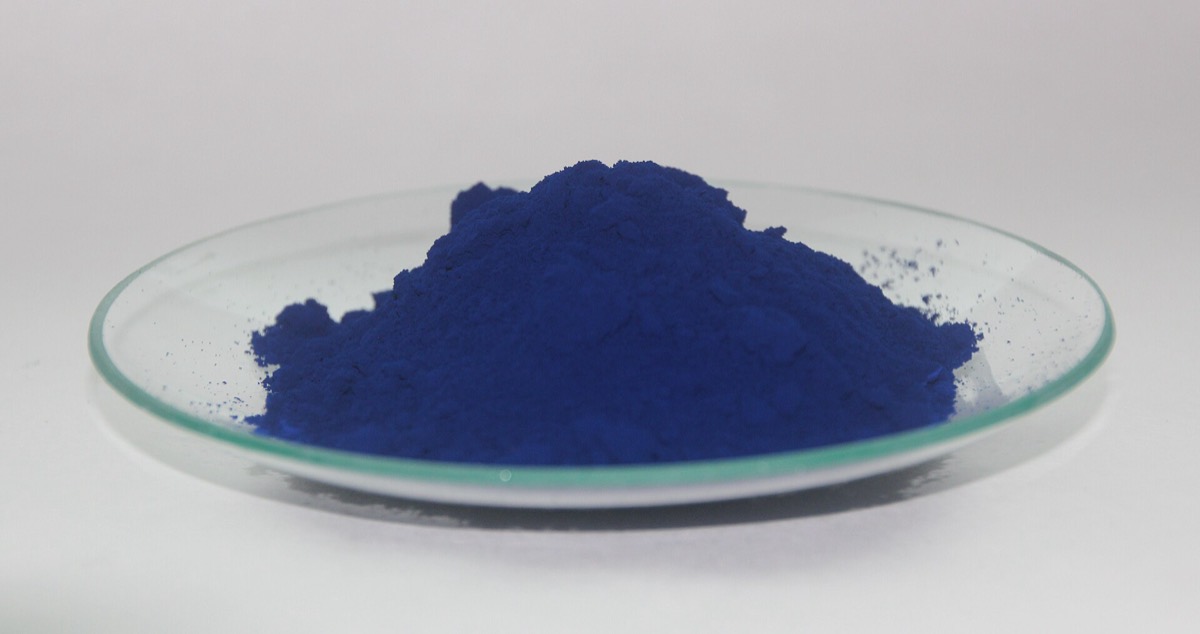 How did a color experiment in Berlin create a blue painters had never known?chemistry
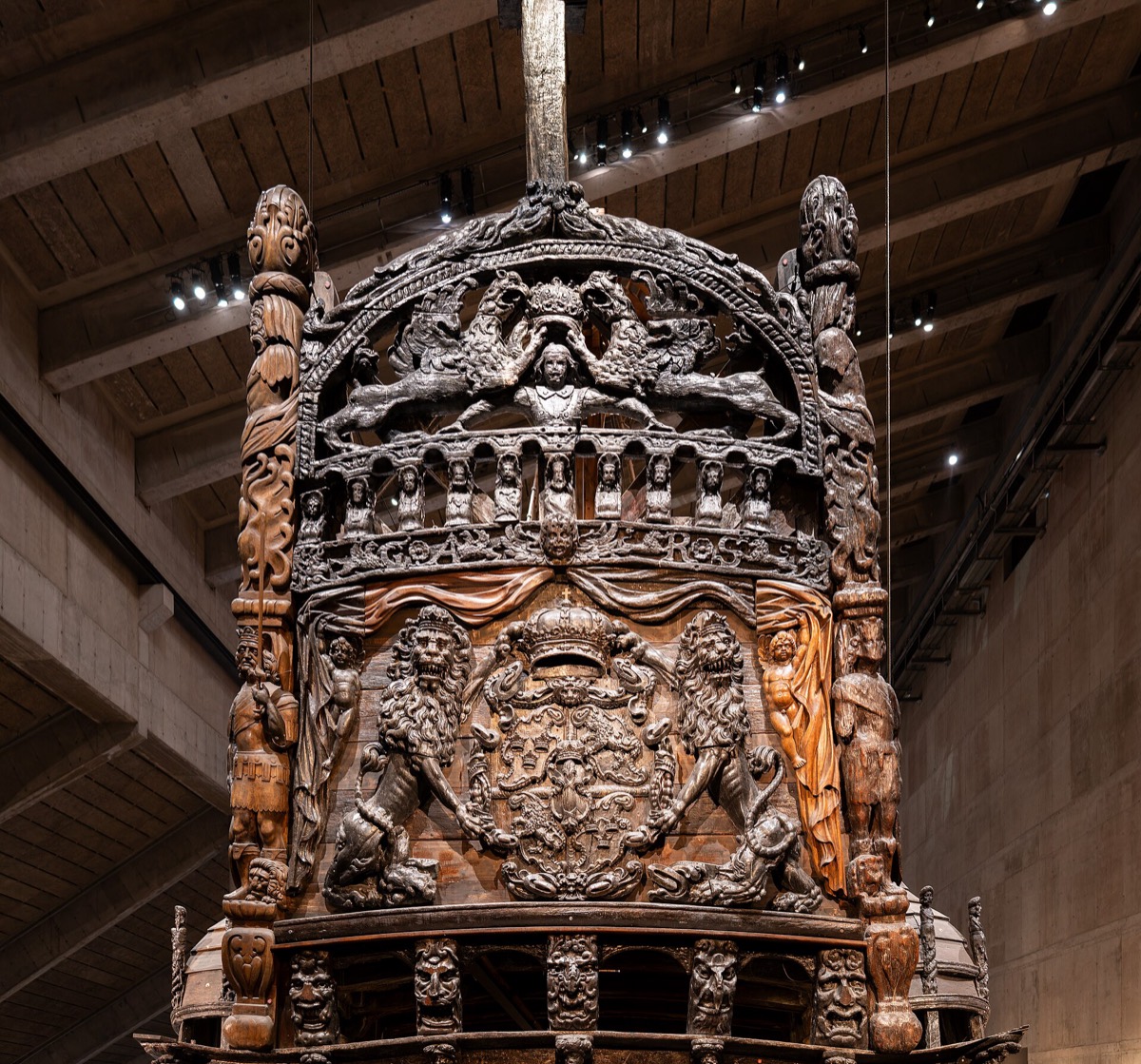 Why is a ship that survived three hundred years in water falling apart on land?chemistry
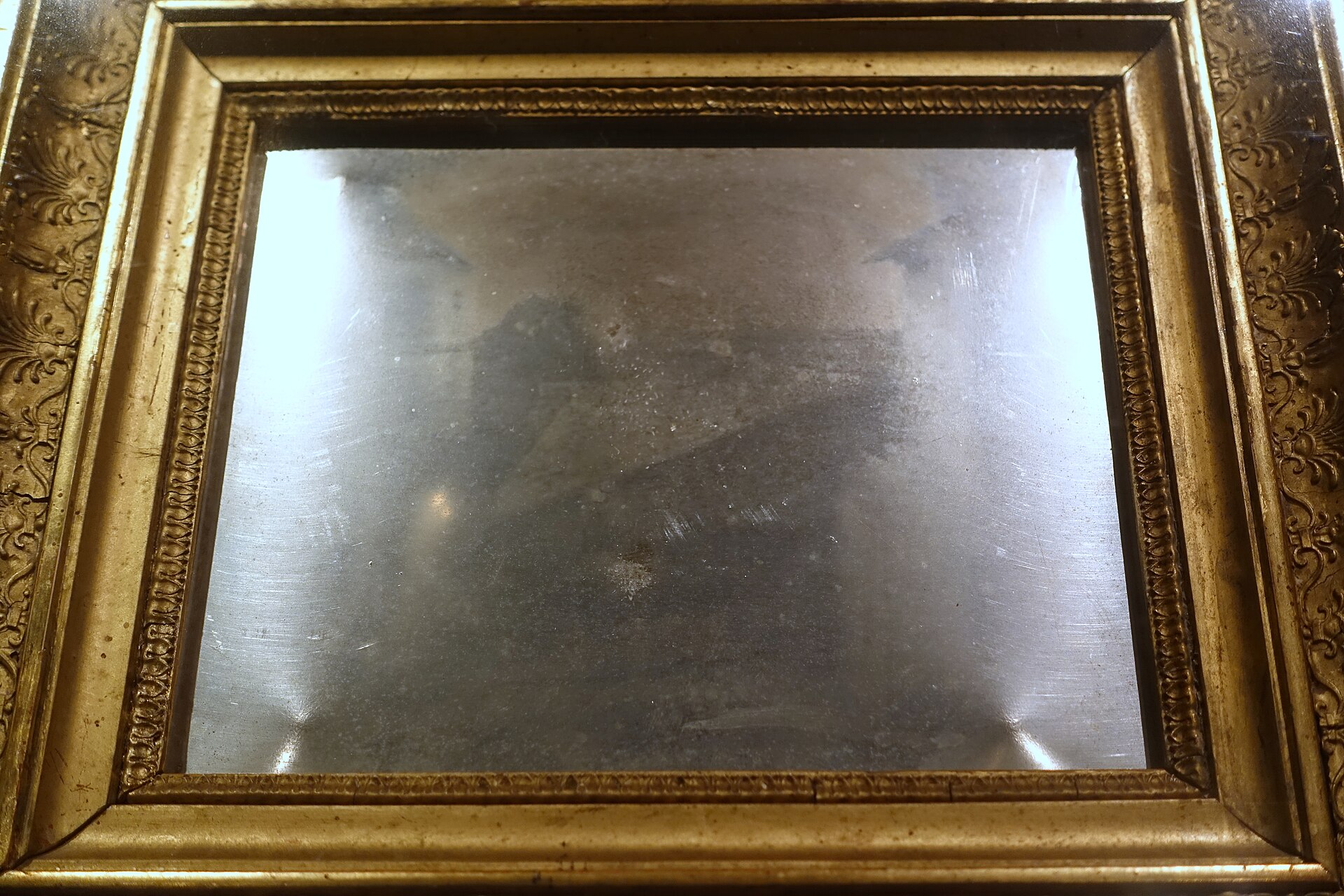 How long did the first photograph take to expose?chemistry