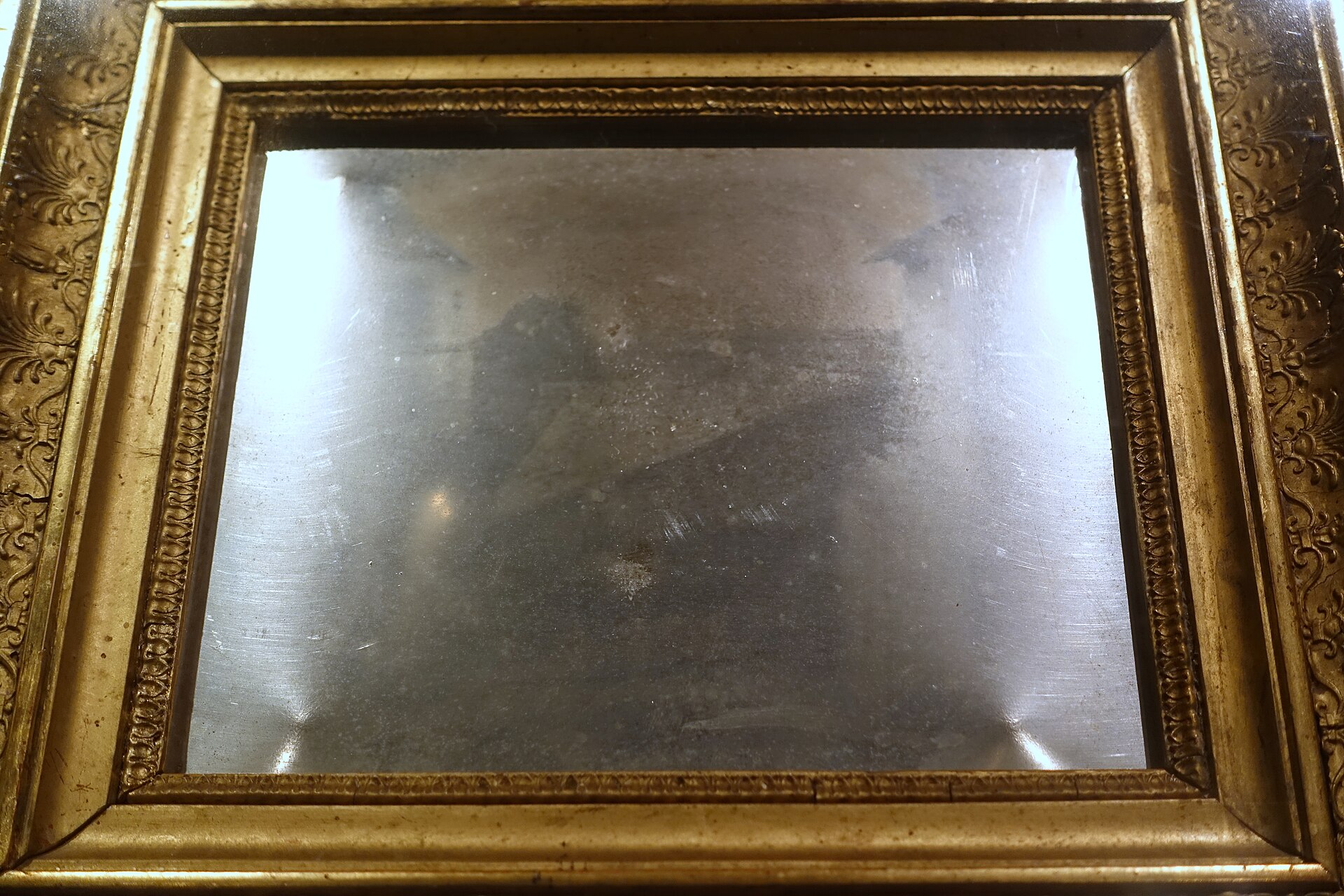
Nicéphore Niépce had been producing legible but fleeting camera pictures since 1816, which is the problem with them: they did not stay. He spent the next decade trying chemicals, materials and techniques for a process he called héliographie, . The surviving plate dates from 1827.
Several days. He dissolved light-sensitive in oil of lavender and coated a polished pewter plate with it. The plate went into a by a second-story window, and after several days of sunlight it held an impression of the courtyard, outbuildings and trees outside.
Niépce was motivated by the growing popular demand for affordable pictures, and his experiments had two aims: copying prints, and recording scenes from real life in the camera. At his family estate at Saint-Loup-de-Varennes he produced legible but fleeting camera pictures in 1816.
The next decade went into an array of chemicals, materials and techniques to advance the process he ultimately called héliographie, or sun writing. The surviving plate was made in 1827, during that period of fervent experimentation.
The recipe is specific. Light-sensitive bitumen dissolved in oil of lavender, applied as a thin coating over a polished pewter plate, inserted into a camera obscura positioned near a window in his second-story workroom. After several days of exposure to sunlight, the plate yielded an impression of the courtyard, outbuildings and trees outside.
Writing in December 1827, Niépce acknowledged that the process required further improvements, and called it the first uncertain step in a completely new direction. In 1829 he entered into partnership with Daguerre, who kept improving it after Niépce’s death and announced the Daguerreotype in 1839. Only then was this plate, the single surviving , brought forward as evidence of his role in the invention.
wat. Bitumen on pewter, a window, and several days of sun.
wat wat
Photography began as a chemistry problem about making an image stay, not about making one appear.
How do we know?
The Harry Ransom Center, which holds the plate, sets out the materials, the exposure, Niépce’s own December 1827 assessment of his process, and the object’s chain of ownership.
What is still unknown
It is the earliest surviving camera photograph rather than the first ever made, and more than twenty of his plates and prints survive without being views.
Learn something?
Where to next
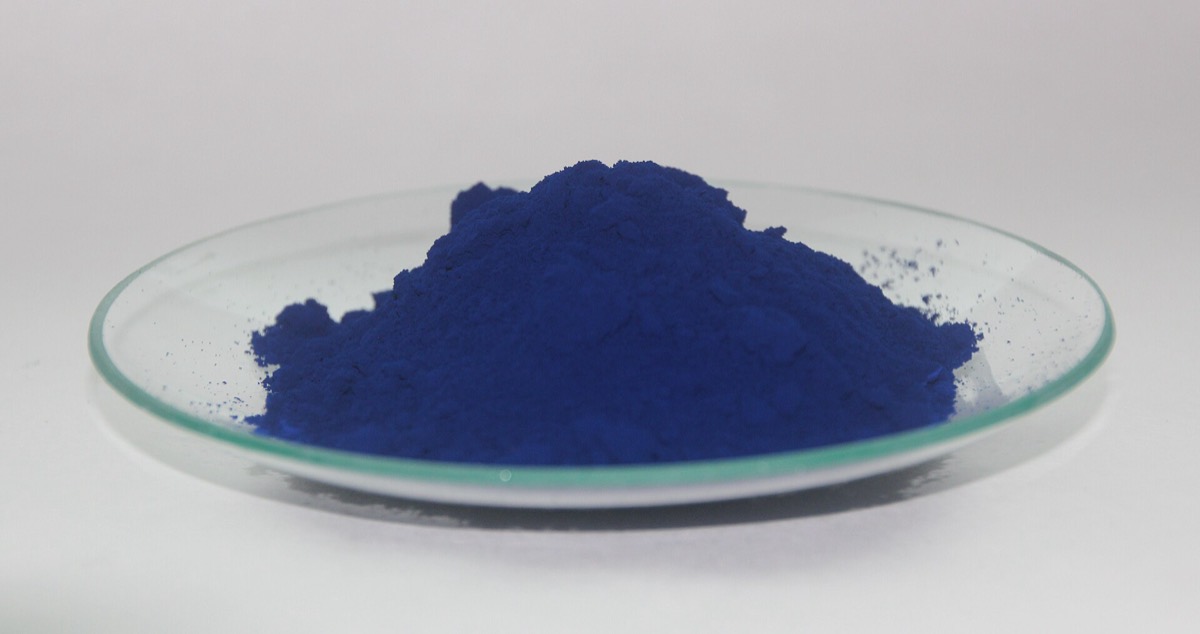 How did a color experiment in Berlin create a blue painters had never known?chemistry
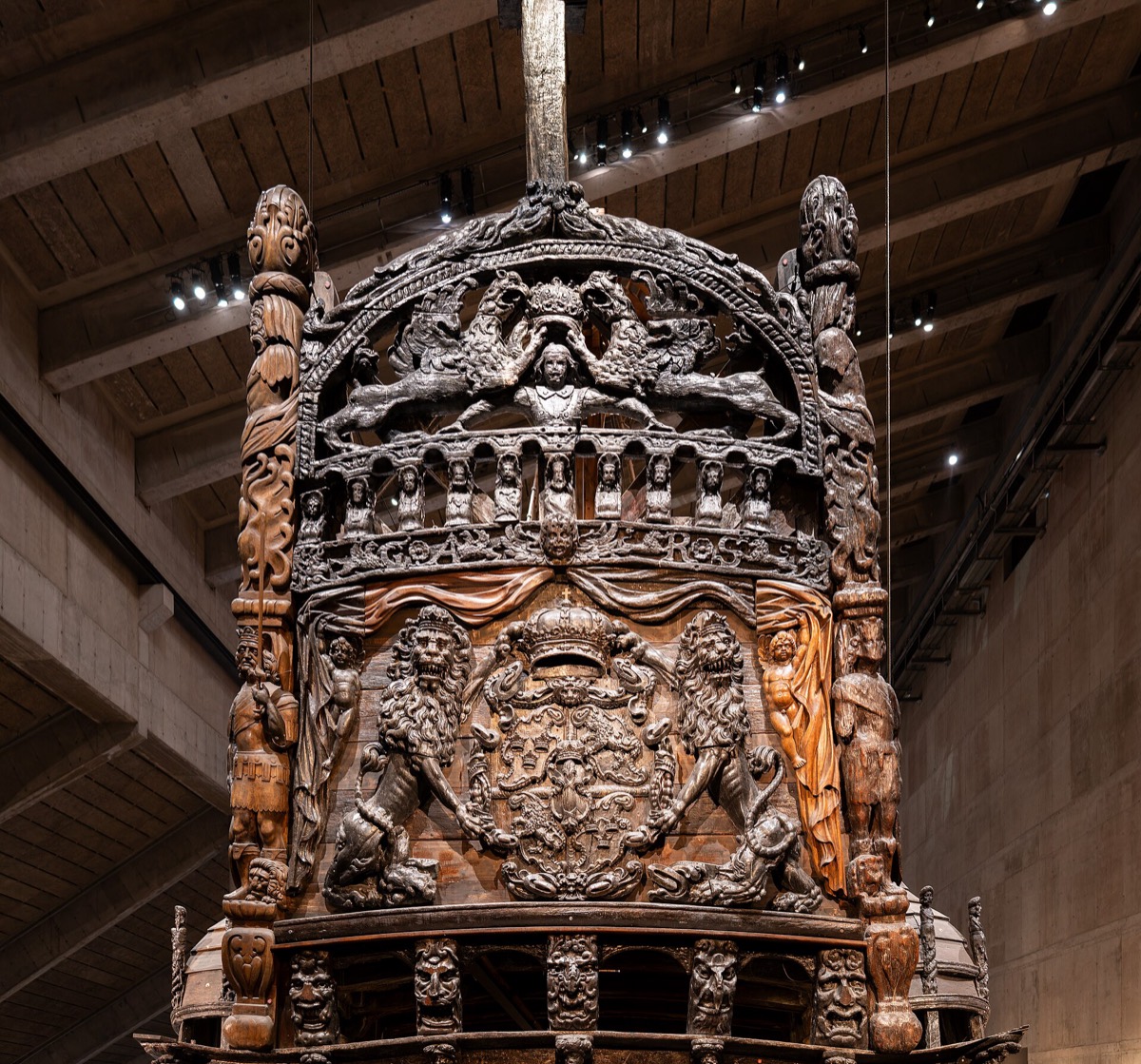 Why is a ship that survived three hundred years in water falling apart on land?chemistry
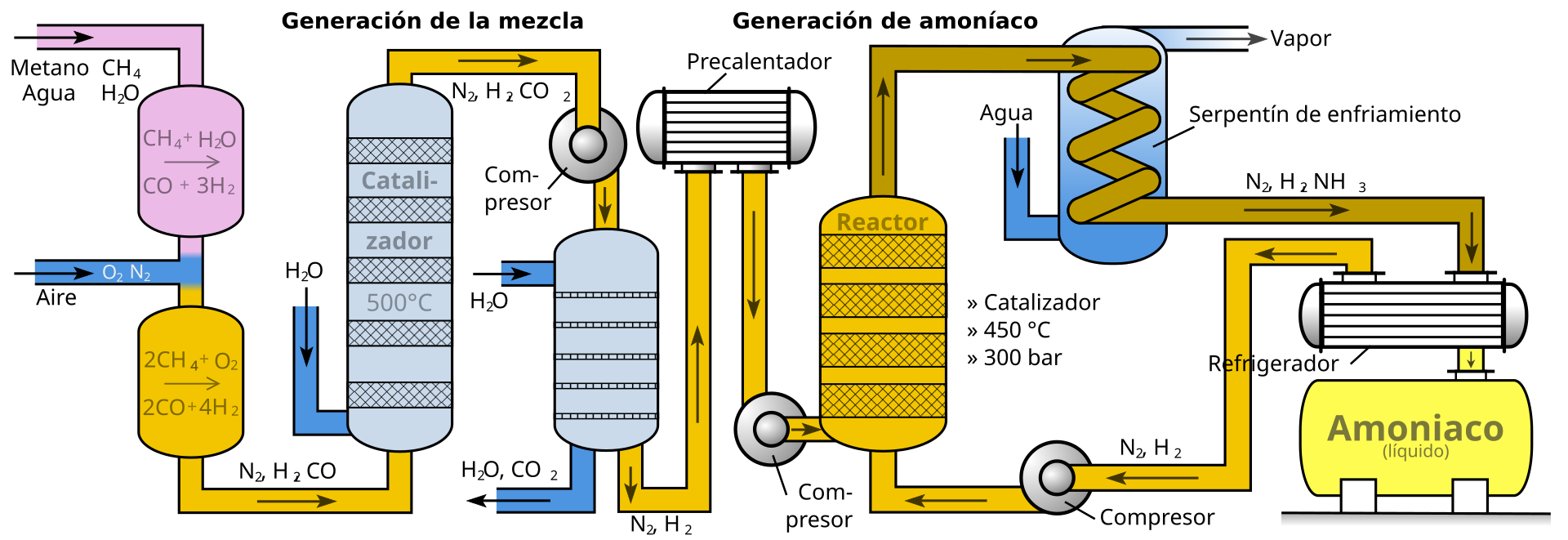 Why can a plant starve in an atmosphere that is mostly nitrogen?chemistry