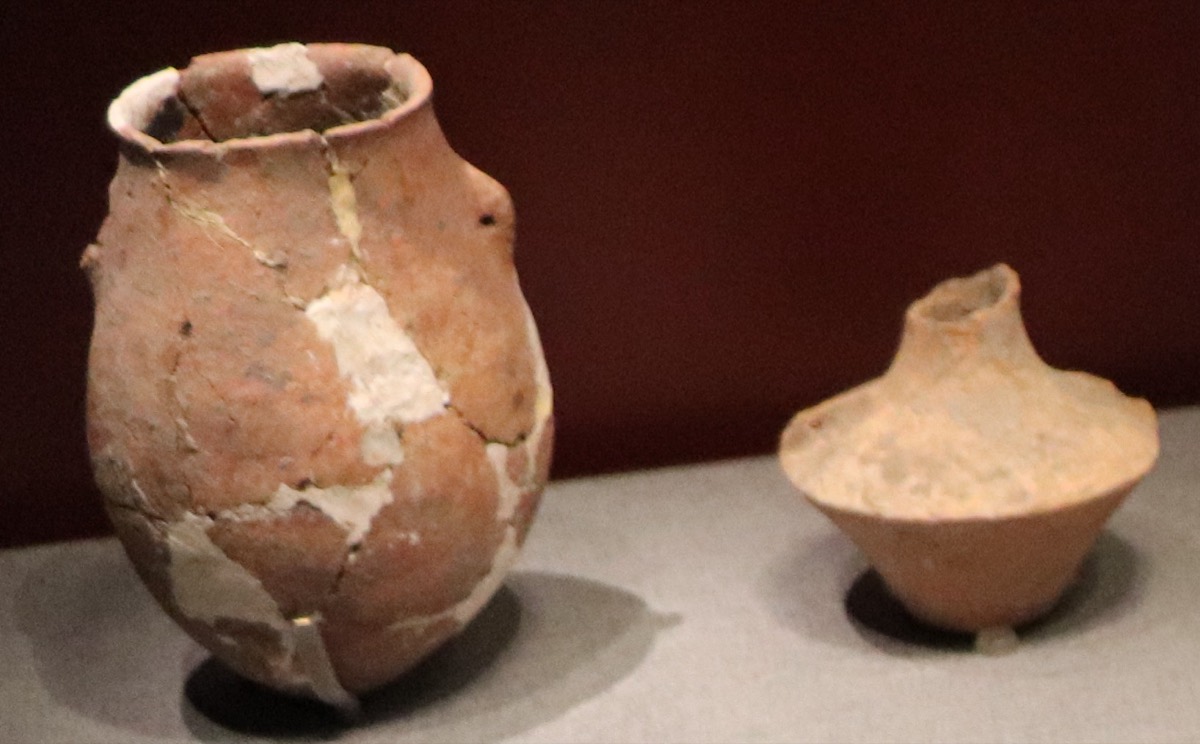
Ancient alcohol left no bottle with a recipe on the label, and it did leave marks in the pottery itself. , plant remains and fungi were examined in vessels from two sites in northern China. What turned up in them?
Two routes to sugar, side by side. The sites belong to . Some of the marks fitted , which breaks starch down into sugar before ; others fitted the use of molds and plants that started the process. So people were apparently trying more than one way to make a fermented drink thousands of years ago. The residues do not tell us the exact taste or the strength of the drink.
Researchers know certain pottery vessels held liquids, and the shape of a vessel alone does not prove what was in it. Here the deposits stuck to the walls of vessels from two sites in northern China were examined.
The team combined three kinds of clue: starches pointing to plants, tiny particles of plant tissue, and fungal remains. A combination like that is better than relying on one molecule, because any single sign can appear in other contexts too.
The findings fitted two different ways of releasing sugar from grain: sprouting it, or using molds and plants as a starter. The range of raw materials included millet, rice and other plants, rather than one recipe familiar to us from the present.
The vessels and deposits preserve no finished drink. There is no way to know the alcohol content, who drank it, or whether every recipe appeared together at each site. This is a well-founded technological reconstruction of methods, not a Neolithic cookbook.
wat. Pottery from Neolithic China held hints of two fermentation routes, sprouted grain and a mixture of molds and plants.
wat wat
Fragments of vessels can reveal technological knowledge and food traditions long before recipes were written down.
How do we know?
The work compared starch remains, plant particles and fungi stuck to pottery with signatures known from fermentation methods.
What is still unknown
The chemical and biological signatures allow a plausible reconstruction, not a direct observation of one preparation method per vessel or across all of China.
Learn something?
Where to next
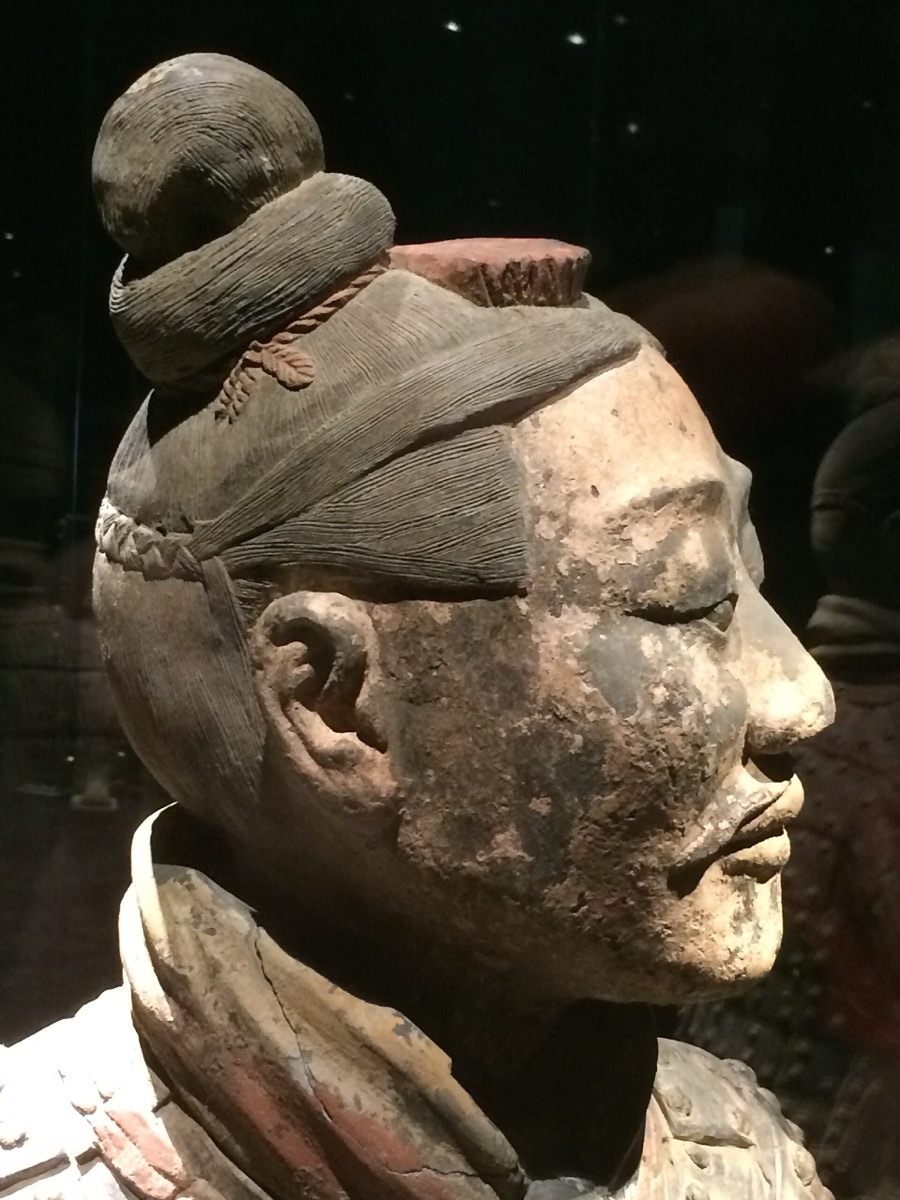 Does every one of the 8,000 terracotta soldiers really have its own face?ancient China
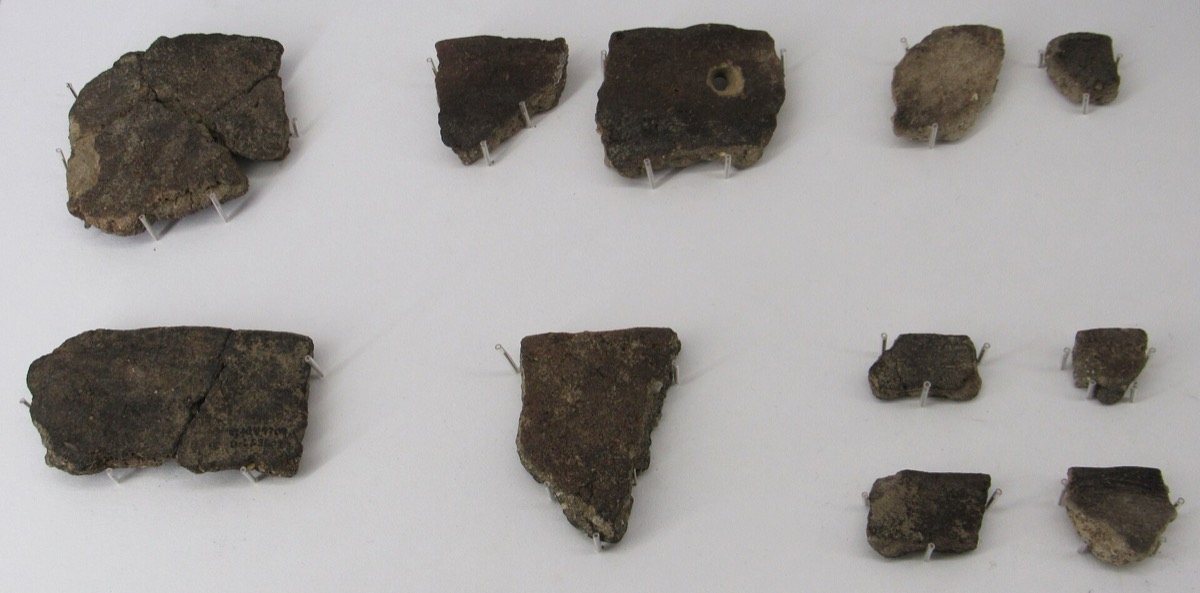 What cooked in the clay pots of hunter-gatherers in Japan for thousands of years?pottery
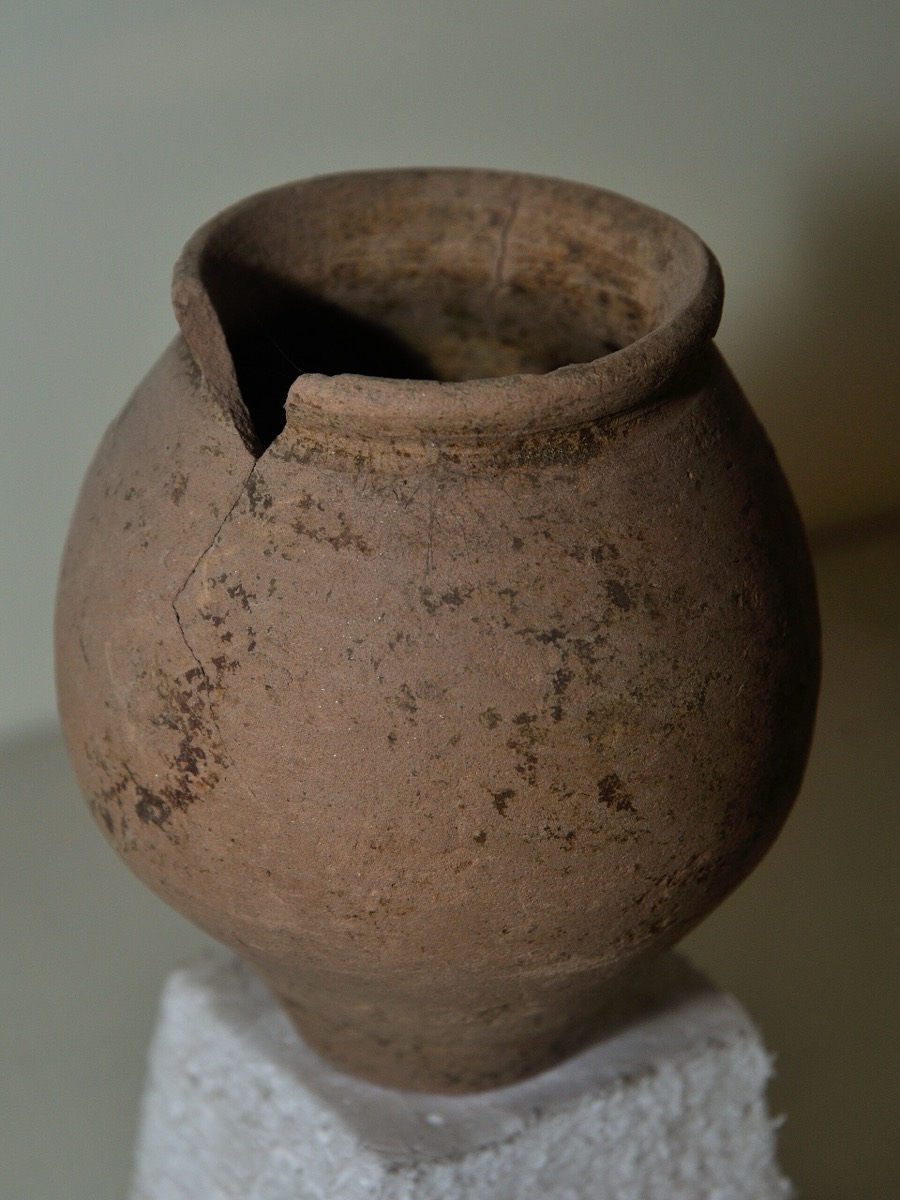 What can the walls of an ancient pot teach us about meals in the Indus cities?pottery